
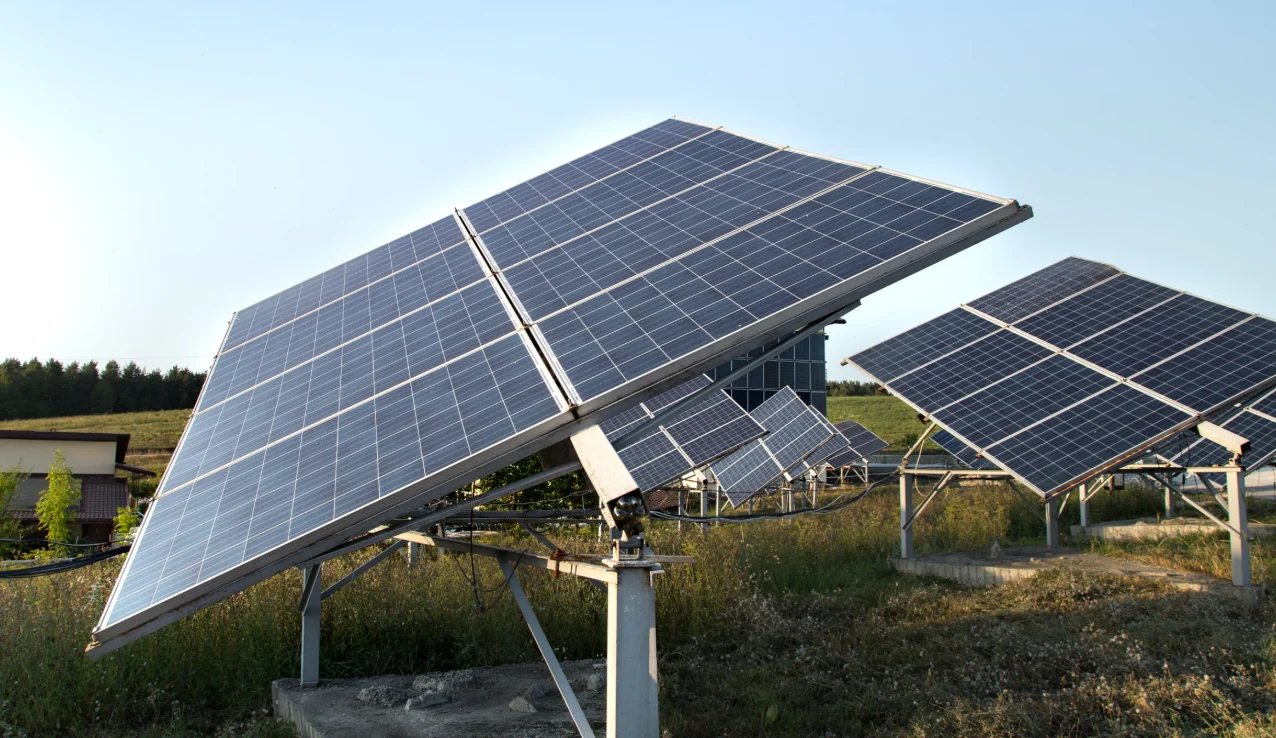
Solar panels do not produce energy at the same rate from sunrise to sunset because the sun’s position changes hour by hour. Panel orientation, meaning the compass direction the panels face, determines when sunlight strikes the panel surface most directly. That timing influences whether a home produces more output in the morning, more in the afternoon, or a more balanced curve throughout the day. For many households, the timing of production can matter as much as total daily energy use, especially when electricity rates vary by time of day or when people are home during certain hours. Orientation also interacts with shading from trees and nearby buildings, which can shift the useful production window earlier or later. By understanding orientation, homeowners can interpret monitoring graphs more effectively and choose layouts that match their daily energy habits, rather than focusing only on annual totals.
Morning Versus Afternoon Differences
- East-Facing Panels and Early-Day Strength
East-facing panels tend to produce more strongly in the morning because they receive more direct sunlight shortly after sunrise. As the sun climbs toward the south and west, east-facing panels receive light at a shallower angle, reducing intensity on the panel surface. The result is a production curve that rises quickly in the morning, peaks earlier than that of a south-facing array, and then tapers off sooner in the afternoon. This early output can be valuable for households that use energy in the morning, such as homes with early HVAC run times, breakfast appliance use, or daytime occupancy that begins early. An east orientation can also help reduce reliance on the grid during morning ramp-up periods when solar output is low. Another advantage is that east-facing panels may run slightly cooler in the late afternoon because they do not receive direct sunlight, which can support steadier performance in hot climates. In some rate structures, shifting production earlier can reduce purchased energy during mid-morning periods, though the main time-of-use peaks are often later in the day. East-facing arrays are sometimes also chosen on roofs where the west side is shaded by trees or neighboring structures, making the east plane the cleaner exposure window, even if the total daily energy is slightly lower.
- West-Facing Panels and Late-Day Support
West-facing panels shift the production curve later, often producing more strongly from midday into late afternoon. Because the sun moves toward the west as the day progresses, west-facing arrays receive more direct light during the hours when many households increase energy use again, such as cooking, laundry, cooling recovery, and EV charging after work. This can make west-facing orientation useful for reducing peak-hour purchases when utility rates are higher later in the day. West-facing panels often peak later than south-facing arrays and retain output longer into the evening. In planning discussions, North Valley Solar Power near Davis is frequently referenced when homeowners compare production timing with lifestyle and rate plans, because a west-leaning curve can align with late-day energy demand even if total daily energy is slightly lower than with an ideal south orientation. West-facing panels can run hotter in late-afternoon heat, which can slightly reduce voltage and power during the strongest sunlight period, but the timing benefit can still be meaningful. A west orientation can also reduce curtailment in some cases, because production is spread later rather than concentrated at midday, when grids sometimes have excess solar. For homeowners aiming to offset evening usage, west-facing arrays can be more useful in practice, even if the annual kWh output is not maximized.
- South-Facing and Balanced Daily Production
South-facing panels in the Northern Hemisphere typically produce a more centered curve, with strong output around solar noon, when the sun is highest. This often yields high total daily energy because the panels receive relatively direct sunlight during the day’s peak intensity. However, a centered curve can misclassify households that use most of their energy in the early morning and late evening. In such cases, a south-facing system may export more power midday and still require grid power during morning and evening peaks, depending on net metering rules and rate plans. This is one reason many modern designs use mixed orientations. Combining east- and west-facing arrays can create a flatter, wider production curve that provides usable power for more hours of the day, even if the midday peak is lower than that of a pure south-facing layout. South orientation can also be affected by shading in specific homes. A south-facing plane with a chimney shadow at noon might produce less practical results than an east or west plane with clear exposure. Orientation decisions, therefore, should consider not only compass direction but also obstruction and shade patterns that shape real production.
Orientation Sets Output Timing
Panel orientation affects morning versus afternoon output by determining when sunlight strikes the panel surface most directly as the sun moves across the sky. East-facing panels tend to deliver stronger morning production and taper earlier, while west-facing panels support later-day output that can align with evening household demand and peak utility rates. South-facing systems often produce a centered midday curve with high total energy, but timing may not match every home’s usage pattern. Mixed-orientation designs can widen the production window, reduce midday concentration, and improve self-consumption over more hours. When orientation choices are matched to roof conditions, shading realities, and daily energy habits, the system delivers power when it feels most useful, not only when the sun is highest.

David Weber is an experienced writer specializing in a range of topics, delivering insightful and informative content for diverse audiences.