
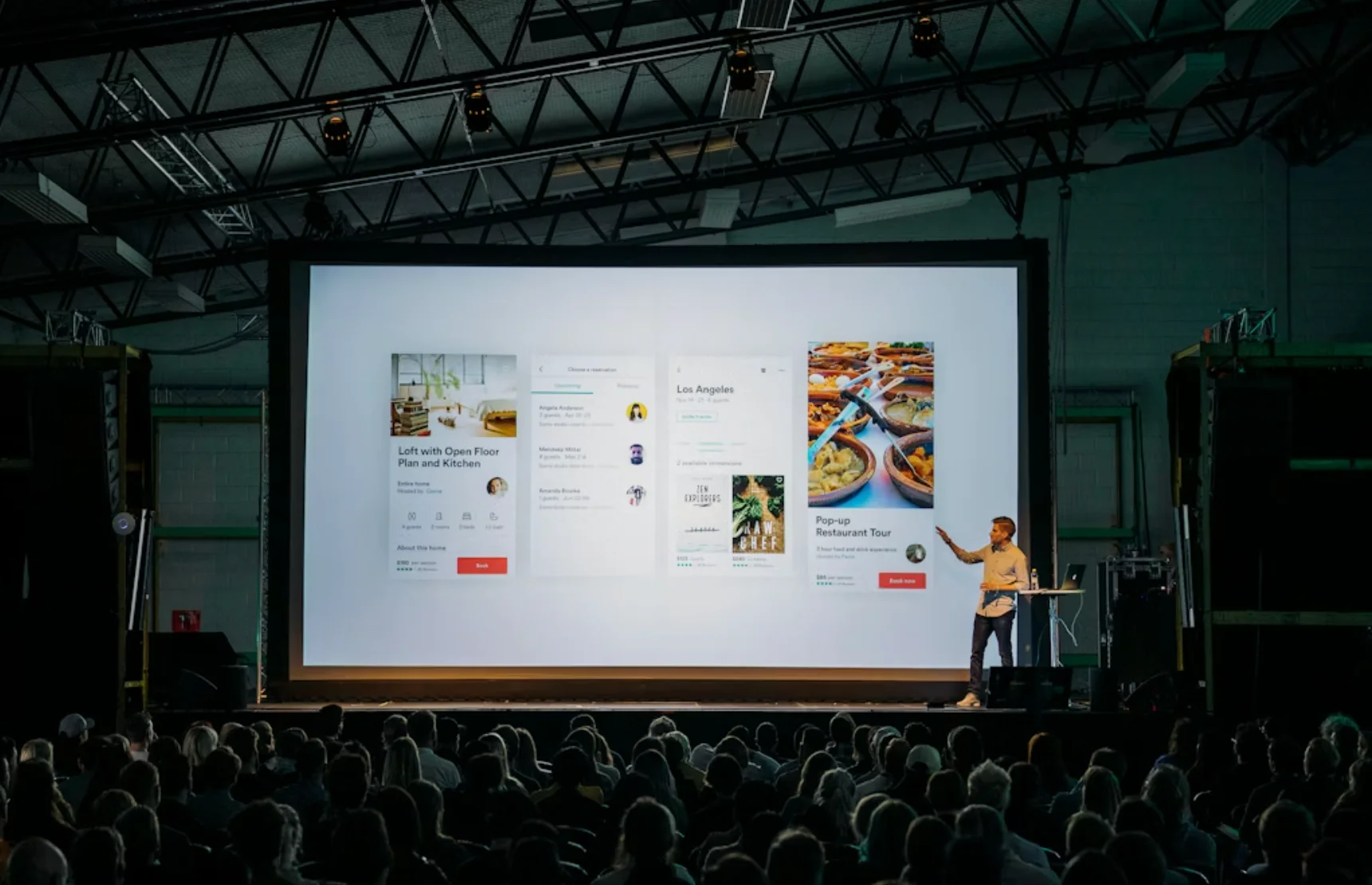
Despite what some might say, brand perception isn’t just a vanity metric. It’s one of the most tangible drivers of business performance. Events have often been the default option to improve brand perception.
Take the 2024 Aspen Ideas Festival, for instance. It brought together over 300 speakers and thousands of attendees, underwritten by some of the world’s most recognizable brands.
For these companies, every element of the production was a direct reflection of how seriously they take their image. It’s why professional gala AV services in Aspen are so in demand during such events. The fact is that customers form opinions quickly, and those opinions are sticky.
Once a brand earns a reputation, whether it be good or bad, it takes real effort to shift it. With that in mind, here are three tips any company can use to start moving the needle.
#1. Stop Spreading Your Budget Thin and Invest in Singular Moments
There’s a temptation in marketing to always be present, and the logic makes sense. After all, the more people see your brand, the better, right? Well, not necessarily. A scattered, always-on approach often produces forgettable results. What tends to be more important are moments. Singular, well-executed experiences that make people feel something.
As data from consulting firm Lumancy shows, tent-pole event activations deliver 35% higher ROI compared to season-long brand campaigns. In fact, brands report 20% lower cost-per-engagement for major event moments. This is a strong argument for investing in high-quality brand moments rather than spreading the budget thin.
So, if events and singular moments get the most results, you want to ensure that everything goes without a hitch. After all, the last thing any company wants is their presenter getting on stage to have those cringe, mic feedback loop moments. You have one shot, and you can’t afford to blow it in front of potential clients and investors.
That said, for what you potentially get in return, the costs aren’t even all that much. As Avanti Productions notes, corporate venue costs can range from $1,000 to $20,000, depending on how fancy you want to be. Likewise, a full audio/video production package can range from $8,000 to $25,000. When you consider that these events can net you long-term clients and investors from these events, it’s definitely worth it.
#2. Be Consistent Enough That People Can Predict You
Consistency is one of those things that sounds obvious until you look around and realize how few brands actually pull it off. Naturally, in the context we’re talking about, it goes beyond using the same logo or brand colors. Real consistency means your messaging, tone, values, and actions all tell the same story. Customers are perceptive, and they do notice when something feels off.
Yahoo Finance highlighted one study by Marq, which revealed that businesses with a consistent brand presentation saw revenue increases of up to 23%. In addition, 68% of the surveyed companies said that consistency had contributed to their revenue improvement efforts.
Think about the brands you personally trust most. Chances are, you trust them because they’ve never really surprised you in a bad way. They show up the same way every time in their advertising, customer service, and in the way they handle criticism. It’s this kind of reliability that builds a good reputation over time.
The practical side of this isn’t complicated, but it does require discipline. It means setting clear brand guidelines and actually following them. In other words, a customer talking to your sales team and your support team should feel like they’re dealing with the same company.
#3. Let Your Values Do Some of the Heavy Lifting
Consumers today are paying attention to more than just what you sell. They’re paying attention to how you operate, what you stand for, and whether your actions match your words. This is increasingly being reflected in their purchasing behavior as well.
For example, PwC’s 2024 Voice of the Consumer Survey gathered insights from more than 20,000 consumers across 31 countries. It found that people are willing to pay about 9.7% more on average for sustainably made or responsibly sourced products. This shows that sustainability is becoming a real factor in everyday buying decisions.
The key here is authenticity. Brands that bolt on a sustainability message without changing anything operational tend to get called out for it. Consumers and journalists alike have actually become quite good at spotting greenwashing. Thus, the brands that benefit from values-driven perception are the ones that legitimately care.
So, where do you start? Be honest about where you are. Communicate what you’re working toward and show progress over time. You don’t have to be perfect to earn credit for caring. It’s just that transparency goes a long way, and it ties right back to the trust-building we discussed earlier.
Frequently Asked Questions
1. What’s the difference between brand reputation and brand perception?
Brand reputation is what people say about your company. Brand perception is what they actually feel. Reputation is built over time through actions and track record. Perception is more immediate and emotional. It’s the gut reaction someone has when they encounter your brand. Both matter, but perception often drives the first impression.
2. What’s the minimum budget a smaller company should consider for a meaningful event presence?
There’s no universal number, but smaller companies can make an impact starting around $2,000 to $5,000 if the event is well-targeted. The key is relevance over scale. A modest presence at the right niche industry event will outperform a flashy setup at one that attracts the wrong audience entirely.
3. Does value-based marketing work the same way for B2B companies as it does for B2C?
It works, but the dynamic naturally shifts. B2C brands appeal to personal emotions and individual identity. In B2B, values influence vendor selection, procurement decisions, and partnership considerations. That said, sustainability credentials, ethical sourcing, and workplace culture increasingly come up in enterprise sales conversations. The audience is different, but the underlying principle that people buy from brands they respect still holds.
All things considered, brand perception isn’t built overnight, and while big events are powerful, it’s still a process. Improving this perception will require consistent behavior and smart investment in the right moments. Likewise, it should also include holding to a clear set of values that customers can actually see in action.
The good news is that none of this is out of reach. Whether you’re a growing startup or an established company, the three principles we’ve discussed should give you a solid place to start. Just remember that once you elevate your brand perception, try to avoid decisions that could tank it.

David Weber is an experienced writer specializing in a range of topics, delivering insightful and informative content for diverse audiences.