
In Australia, most businesses understand they need fire equipment, evacuation diagrams and a few wardens on each floor. But what often gets missed is the ongoing question: does all of this still work as intended today? Buildings change, teams turn over, layouts get reconfigured and new risks appear. Without regular fire safety audits, many organisations are relying on plans that are out of date the moment something changes.
That’s exactly what a structured fire safety audit is designed to uncover and fix before a real emergency puts people and assets at risk.
What a Fire Safety Audit Really Covers (Beyond a Quick Checklist)
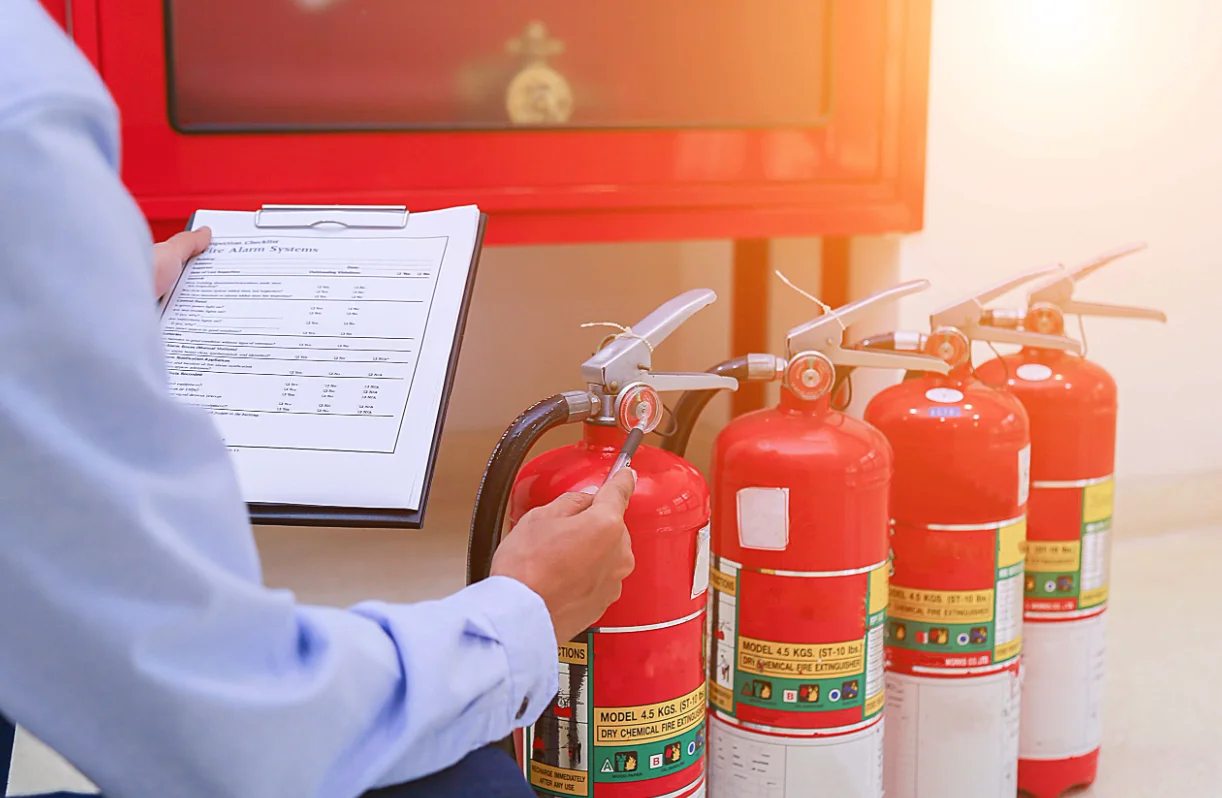
A lot of people think a fire audit is just someone walking around checking extinguishers. In reality, a thorough fire safety audit australia looks at how every layer of your emergency preparedness fits together.
It assesses building features, fire systems, procedures and people, including things like access and egress paths, emergency lighting, alarms and detection, the location and type of extinguishers, evacuation diagrams and signage, training and warden coverage, and how all of this aligns with current legislation, Australian Standards and your building’s specific risk profile.
The outcome is not just a pass or fail, but a realistic picture of how well your current arrangements would perform under stress.
Legal and Insurance Pressures Are Increasing
The regulatory environment in Australia has been steadily tightening. WHS laws, building codes and Australian Standards place a clear duty of care on PCBUs, landlords and managers to provide and maintain a safe workplace, which includes effective fire and emergency arrangements.
Regular audits help demonstrate that you are actively identifying and managing risk, not simply ticking a box once when the building opens. In the event of a fire, regulators and insurers will want to see evidence of ongoing due diligence, not just an initial compliance certificate from years back.
From an insurance standpoint, gaps in maintenance, non-compliant exits or inactive systems can not only worsen the impact of an incident, but also complicate or delay claims. An audit can reveal issues like blocked exits, disabled smoke detectors, outdated evacuation diagrams or lapsed training before they become part of an investigation file.
People and Layouts Change Faster Than Your Paperwork
In many organisations, the building looks very different today than it did when the original safety plans were drafted. New partitions, reconfigured workstations, different storage practices or increased occupancy can all change how people will move (or get stuck) in an emergency.
Even small shifts can have big consequences: a new display blocking a sightline to an exit sign, a locked door that used to be part of the egress path, or a storeroom now used for flammable materials without adequate controls. Without an audit, these incremental changes accumulate silently.
The same is true for people. Fire wardens move on, managers change roles, and new staff may have never been through an evacuation drill. A regular audit highlights where your coverage has thinned out, where training has lapsed and where responsibilities are unclear.
Turning Procedures into a Practical Emergency Management System
It’s one thing to have a policy; it’s another to have a system that works under pressure. Well-run audits focus on how your documentation translates into real behaviour on the day of an emergency.
That’s why more mature organisations invest in a current, practical emergency management manual that brings all of their procedures together. Instead of scattered PDFs and forgotten emails, they have a single, structured reference that covers chain of command, communication protocols, scenario-specific responses (fire, bomb threat, medical, external emergencies), training and drill requirements, and post-incident review processes.
When auditors review your site, they’re not just checking if a manual exists; they’re checking whether your people know it, whether it matches the physical environment, and whether it has been updated after relocations, fit-outs or changes in risk.
The Cost of Skipping Audits vs. the Cost of Doing Them
On paper, skipping audits can look like a saving. In practice, it often shifts cost and risk into more painful categories.
Potential costs of neglect include unplanned downtime because a minor fire escalates due to poor preparedness, regulatory penalties for non-compliance if an inspection or incident reveals serious breaches, reputational damage when staff, visitors or the public see a poorly handled emergency, and higher long-term spend when issues that could have been fixed early become major rectification projects.
By contrast, regular audits tend to surface smaller, cheaper fixes: relocating combustible storage, updating a few evacuation diagrams, refreshing warden training, or adjusting maintenance schedules for specific fire systems. They also allow you to plan improvements over time, rather than reacting under pressure.
Building a Culture of Preparedness, Not Fear
Fire safety can easily become a “fear-based” topic if it’s only ever discussed after an incident or during an annual drill that nobody enjoys. Regular, well-communicated audits can actually help normalise safety conversations and make them part of everyday operations.
When leaders treat audits as an opportunity to improve rather than an exercise in blame, staff are more likely to report issues, participate in drills and take training seriously. This cultural shift is often what makes the difference between a chaotic evacuation and a calm, controlled response.
It also reassures employees that their wellbeing is taken seriously, which supports broader staff engagement and retention.
Choosing a Fire Safety Partner You Can Trust
The value of an audit depends heavily on who conducts it and how. A strong partner brings technical knowledge of fire systems and Australian Standards, practical experience across different building types and industries, clear, actionable reporting rather than jargon-heavy findings, and the ability to support not just audits, but training, documentation updates and future improvements.
For many organisations, working with a specialist like First 5 Minutes means they have a single, experienced team who can audit their sites, run drills, train wardens and keep their documentation aligned with real-world conditions.
Final Thoughts
Regular fire safety audits aren’t just another compliance chore; they’re a critical part of protecting people, property and business continuity. In a landscape where expectations from regulators, insurers and employees are rising, relying on outdated plans or one-off checks is a risk few Australian businesses can afford.
By committing to ongoing, professional audits, keeping your emergency procedures aligned with how your sites actually operate, and investing in practical training and documentation, you create an environment where everyone knows what to do when it matters most – and where fires are more likely to remain minor incidents rather than major crises.

David Weber is an experienced writer specializing in a range of topics, delivering insightful and informative content for diverse audiences.