
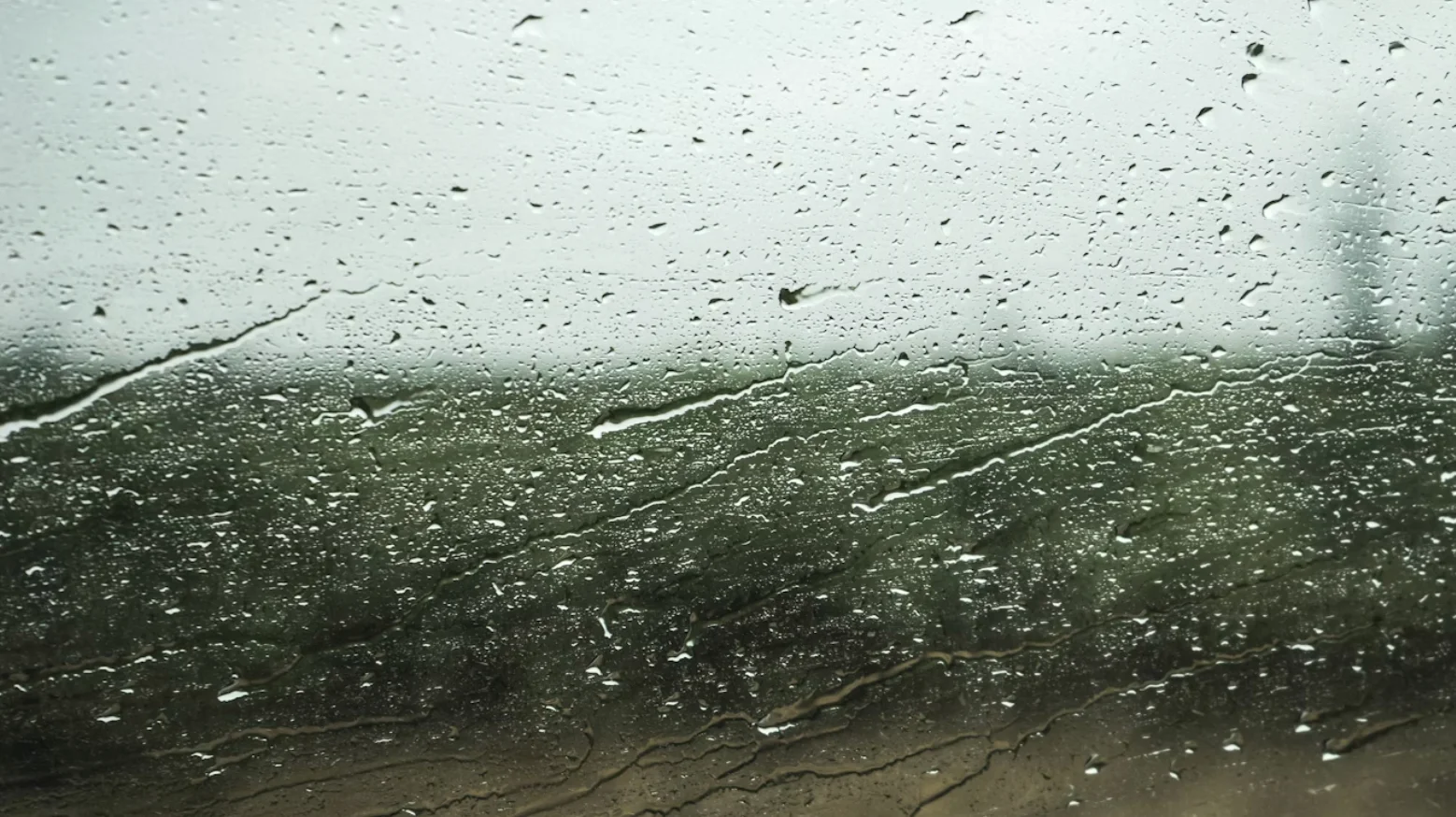
Driving through a hailstorm can feel overwhelming, even for experienced drivers who think they have seen it all. The sudden noise, reduced visibility, and unpredictable road conditions can quickly turn a normal drive into a stressful situation.
Staying calm and making smart decisions becomes more important than ever in these moments. That means you need to know what to expect during the storm and how to react afterward.
For instance, when driving, you need to slow down and stay constantly aware of your surroundings. And when you get the chance, you need to consider effective car hail damage repair options to deal with any dents or serious damage.
Of course, there are a lot of other things you need to remember as you drive through a hailstorm. This guide walks you through a few essential things to remember when caught in a hailstorm.
#1 Slow Down and Stay in Control at All Times
Scientific American reports that 2024 saw several damage-inducing hailstorms in the US. Large hail shattered car windows in Johnson City, Texas, with stones reaching grapefruit size.
A storm chaser, that same year, discovered a hailstone nearly as large as a pineapple. Hail has caused widespread damage, destroying airplane surfaces and piercing through residential rooftops.
Moreover, early in 2026, CNN reported that dangerous storms swept across the central US in March, bringing tornadoes and massive hail. The highest severe thunderstorm risk in months was issued for over two million people in northern Illinois and northwest Indiana. The storm system threatened dozens of major metros with damaging winds, large hail, and powerful tornadoes from Texas all the way to Pennsylvania.
Basically, hailstorms are getting more and more severe, causing loss of life and property. And such conditions can get worse when you’re driving on open roads. So, when driving through a hailstorm, the first thing you should do is reduce your speed as soon as conditions worsen.
Hail can make roads slippery, similar to rain or even light ice, depending on intensity and size. Driving fast in such conditions increases the risk of losing control or skidding unexpectedly.
#2 Find Shelter If It Is Safe to Do So
If the hail becomes intense, your best option is to look for a safe place to pull over and wait it out. Covered areas such as parking garages, gas stations, or underpasses can provide protection from falling hailstones.
However, you should only stop if it is safe and legal to do so, as sudden stops on busy roads can cause accidents. If no shelter is available, consider pulling over to the side of the road and turning on your hazard lights. Make sure your vehicle is as far from traffic as possible to reduce risk.
Staying inside your car is usually safer than stepping outside during a hailstorm. Waiting a few minutes for the storm to pass can prevent unnecessary damage and reduce stress significantly.
#3 Check Your Vehicle for Damage After the Storm
Once the storm has passed or you are at a safe location, take some time to inspect your vehicle carefully. Hail damage is not always obvious at first glance, especially if dents are small or spread out.
Looking closely at the roof, hood, and sides can help you identify any storm damage early.
If you notice problems, consider seeking professional car damage repair services to assess the situation properly. Specialists in auto body hail repair can handle everything from minor dents to more serious hail damage vehicle restoration.
According to Mile High Dents, you can find expert companies that specialize in paintless hail damage repair. They will restore your vehicle’s appearance quickly, without the need for fillers.
#4 Protect Yourself Inside the Vehicle
Hailstones can vary in size, and larger ones can crack windows or even shatter windshields in extreme cases. If possible, angle your car so the front windshield faces the direction of the hail. This part of the car is typically stronger than the side windows.
You can also use items like a jacket, bag, or blanket to shield yourself if the situation becomes severe. Keeping your seatbelt fastened adds another layer of safety during sudden impacts.
Staying alert and aware of your surroundings helps you respond quickly if conditions change. Protecting yourself should always be your top priority during any severe weather event.
#5 Ensure Good Visibility
Recently, whiteout conditions from heavy snow and strong winds made travel extremely dangerous across parts of Minnesota and neighboring states. The BBC reports that in central Ontario and southwestern Quebec, forecasters warned of near-zero visibility with up to 20 inches of snow.
Visibility can also drop quickly during a hailstorm, especially when combined with heavy rain or strong winds. Using your headlights helps other drivers see you more clearly, even during daylight hours. At the same time, keep your windshield wipers running at an appropriate speed to maintain a clear view ahead.
Avoid using high beams, as they can reflect off rain and hail, making visibility worse instead of better. If your windshield becomes too damaged or visibility drops significantly, it may be safer to pull over.
Staying aware of lane markings and nearby vehicles becomes harder, so extra caution is necessary. Clear visibility is crucial for making safe driving decisions in these conditions.
FAQs
Is it safe to drive during a hailstorm?
Driving during a hailstorm is generally unsafe, especially when hail is large or falling heavily. Visibility can drop quickly, and impacts may crack windshields. If possible, slow down carefully and pull over to a sheltered area until the storm passes to reduce risk.
What should you not do in a hailstorm?
During a hailstorm, avoid speeding or making sudden movements, as roads can become slippery and visibility decreases. Do not stop under trees or overpasses that may collapse or create hazards. Also, avoid leaving your vehicle exposed when a safer shelter is nearby.
How big does hail need to be to cause damage to a car?
Hail as small as about one inch in diameter can begin causing minor dents or paint damage to a car. Larger hail, around two inches or more, can crack windshields and severely dent panels. The harder and faster the hail falls, the greater the potential damage.
Driving through a hailstorm is never ideal, but it becomes manageable when you know how to respond effectively. Slowing down, staying alert, and protecting yourself should always be your top priorities in these situations. After the storm, checking your vehicle for damage ensures that any issues are addressed before they worsen.
Every step you take, from preparation to follow-up, plays a role in keeping you safe and stress-free. With the right approach and mindset, you can handle hailstorms with greater confidence and control.

David Weber is an experienced writer specializing in a range of topics, delivering insightful and informative content for diverse audiences.
The section on “5 Things to Remember When Driving Through a Hailstorm” was helpful. I have been following map-based browser games and the reminder that roads, terrain, and route choices matter more than raw speed is a good one. The point about Driving through a hailstorm can feel overwhelming, even for experienced drivers who think they have seen it all was also worth saving.