
For older adults, engaging in diverse, stimulating activities is crucial to sustaining and improving overall wellbeing. Regular participation in enriching hobbies and experiences can boost mental and physical health while nurturing social connections. Not only do these activities offer enjoyment, but they also foster a sense of purpose, fulfillment, and resilience during the aging process. Whether through creative expression, movement, or meaningful connection, activities designed for seniors can make a lasting difference in their day-to-day quality of life. Those seeking specialized support environments, such as Quail Park Memory Care, often find that such activity options enhance engagement and promote a positive outlook among residents.
Opportunities for engagement are broad and varied, addressing the needs of the body, mind, and spirit. When thoughtfully included in daily or weekly routines, these pursuits enrich lives and support overall health. The importance of addressing all aspects of health, physical, emotional, mental, and social, cannot be overstated, particularly as individuals age and new challenges arise. Incorporating different forms of stimulating activities can help older adults remain independent and vibrant for longer, making every day more meaningful. Additionally, the support of family, caregivers, and community programs can further amplify these benefits.
Creative Arts and Crafts
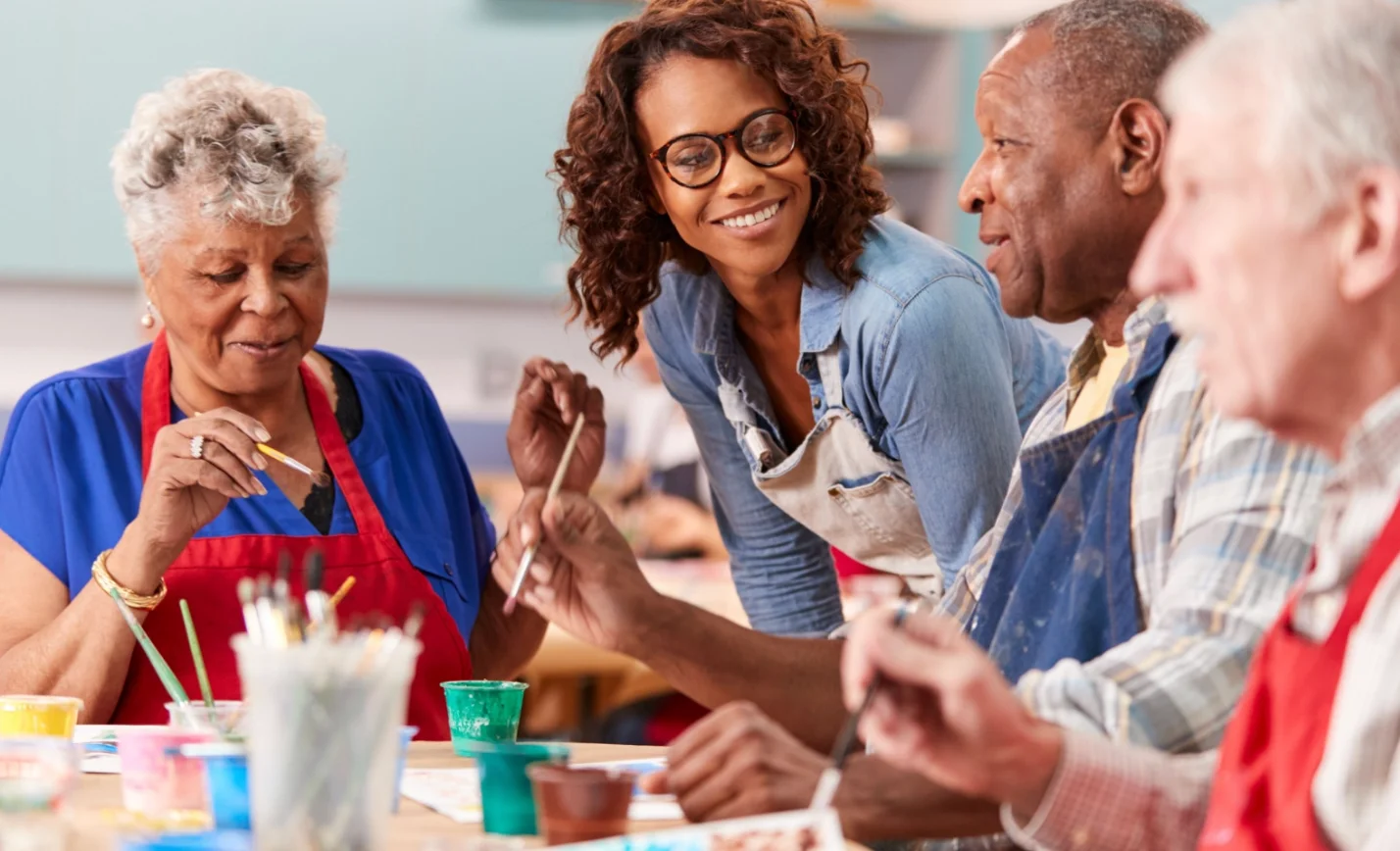
Pursuing arts and crafts provides seniors with an exceptional way to express themselves and sharpen cognitive functions. Painting, drawing, knitting, sculpting, and similar activities allow for hands-on creativity that boosts fine motor skills, mindfulness, and emotional balance. According to research from The New York Times, regularly engaging in creative activities is associated with a slower decline in memory and cognitive abilities, making them an important routine for older adults.
Group arts classes, crafting circles, and community art projects can further increase enjoyment and facilitate social engagement, reducing the risk of isolation and loneliness. These relaxing yet challenging activities can be modified to fit seniors’ mobility levels, ensuring everyone can participate comfortably and safely.
Physical Exercise and Movement
Movement is key to maintaining mobility, strength, and overall health in older adulthood. Walking, chair yoga, tai chi, water aerobics, and dance classes are excellent avenues for seniors to keep active without strain. The Centers for Disease Control and Prevention highlights that regular movement improves cardiovascular health, reduces the risk of chronic diseases, and even helps elevate mood by releasing endorphins.
Physical activities can be tailored to all ability levels and can be made more engaging through group formats or music accompaniment. Consistency is more important than intensity, and even gentle daily movement helps older adults maintain independence longer.
Social Engagement and Community Involvement
Social interaction is a crucial component of senior wellbeing. Group activities, from clubs and hobby groups to fitness classes and support circles, foster meaningful relationships and a sense of community. Volunteering, attending community events, or participating in church groups not only builds friendships but also gives life added purpose. Studies featured in AARP confirm that social engagement is linked to a lower risk of depression, cognitive decline, and physical health issues in later years.
Nature-Based Programs
Spending time outdoors and connecting with nature offers substantial benefits for both body and mind. Gardening, bird watching, gentle nature walks, or organized park outings provide physical activity as well as a calming environment for reflection and relaxation. Exposure to natural settings has been shown to reduce stress, lower blood pressure, and support mental wellness. Research from the American Psychological Association underscores that nature engagement supports holistic wellbeing in older adults, helping to improve their outlook and cognitive function.
Cognitive Games and Puzzles
Challenging the brain with puzzles, crosswords, sudoku, cards, or strategy games such as chess and Scrabble helps keep cognitive skills sharp. Regular mental stimulation is known to help delay the progression of memory loss conditions and improve problem-solving abilities. According to Harvard Health, even brief sessions of cognitive games can make the brain more adaptable and delay cognitive decline.
Music and Dance
Music and movement are powerful tools for emotional and cognitive health. Singing, playing an instrument, listening to favorite tunes, or dancing can spark joy and evoke positive memories, especially for individuals living with cognitive challenges. Participatory music and dance activities help reduce stress, enhance memory, and increase motivation. Research reported by Psychology Today highlights that rhythm and melody have a unique ability to stimulate multiple areas of the brain and promote long-term mental health.
Educational Pursuits
Lifelong learning remains essential at every age, invigorating the mind and fostering a sense of purpose. Older adults can benefit from community education classes, local lectures, book clubs, or even virtual workshops on topics that fascinate them. Continuous learning not only keeps the mind engaged but also provides a platform for social interaction and self-discovery. Online platforms and library programs can make participation more accessible regardless of mobility or transportation challenges.
Volunteer Work
Volunteer roles allow older adults to contribute meaningfully to society while maintaining valuable social connections. Reading to children, mentoring youth, helping at food banks, or supporting local events provides structure and direction. Volunteering has been closely linked with improved mental health, self-esteem, and feelings of accomplishment, making it a powerful component of healthy aging. Consistently volunteering often leads to higher overall life satisfaction and stronger ties to the community.
Integrating a range of stimulating activities into everyday life empowers older adults to stay active, independent, and engaged. Whether through creativity, physical movement, intellectual challenges, or community service, these enriching experiences reinforce holistic wellbeing and ensure a fulfilling lifestyle for years to come.
Conclusion
Maintaining an active and fulfilling lifestyle in later years is rooted in a balanced mix of creativity, movement, social connection, and lifelong learning. By engaging in diverse activities, from arts and physical exercise to cognitive challenges and community involvement, older adults can support their mental, emotional, and physical well-being. These enriching experiences not only promote independence but also foster a strong sense of purpose and joy. Ultimately, embracing a well-rounded routine of meaningful activities empowers seniors to age with vitality, connection, and a deep appreciation for everyday life.

David Weber is an experienced writer specializing in a range of topics, delivering insightful and informative content for diverse audiences.