
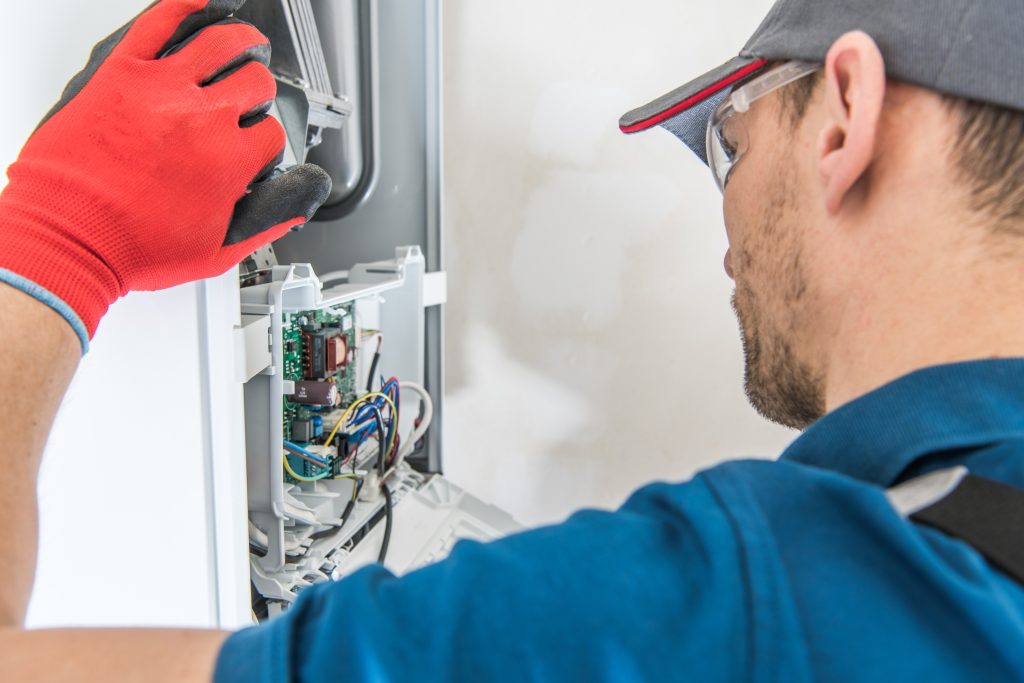
Furnaces are designed to provide reliable heating during colder months, yet many systems fail suddenly when they are turned on after long periods of inactivity. This issue often surprises homeowners because the system may have worked perfectly during its last use. However, extended downtime can allow minor issues to develop unnoticed, affecting key components of the system. When the furnace is finally restarted, these hidden problems can prevent it from operating properly. Understanding why these failures occur helps property owners take preventative measures and ensure that their heating systems perform reliably when they are needed most.
Local maintenance remains a key part of this preparation, as environmental factors in specific regions can influence how quickly a dormant system degrades. For residents in Kentucky, checking for dust accumulation or moisture within the unit is a practical first step before the first cold snap arrives. If you encounter issues during this initial check, searching for furnace repair near me can help you find a qualified technician to evaluate the internal components. These experts can identify worn belts or electrical faults that might cause a sudden shutdown, ensuring the system is ready to provide consistent warmth throughout the winter months.
Dormant Systems and Hidden Wear
- Component Deterioration During Idle Periods
When a furnace remains inactive for months, its internal components can begin to deteriorate due to lack of use. Moving parts such as motors and fans may become stiff or less responsive, especially if they are not regularly exercised. Dust and debris can accumulate within the system, settling on components critical to proper operation. Over time, this buildup can interfere with airflow and reduce efficiency. Electrical connections may also degrade, leading to inconsistent performance upon system restart. These changes often go unnoticed until the furnace is needed again, at which point the accumulated effects of inactivity can lead to sudden failure.
- Ignition and Startup Issues
The ignition system is one of the most sensitive components affected by prolonged inactivity. When a furnace is not used, ignition parts can become dirty or misaligned, preventing the system from starting properly. This can result in repeated attempts to ignite or complete failure to produce heat. In many cases, homeowners facing startup problems may seek solutions such as furnace repair in Florence to address ignition-related issues and restore functionality. Ensuring that ignition components are clean and properly aligned is essential for reliable startup, especially after extended periods of inactivity. Regular checks before the heating season can help prevent these issues.
- Airflow Restrictions and Blockages
Airflow is a critical factor in furnace performance, and inactivity can contribute to restrictions that affect system operation. Dust, debris, and even small obstructions can accumulate within ducts or around vents, reducing airflow. When the furnace is turned on, these restrictions can cause uneven heating or prevent the system from functioning efficiently. In some cases, blocked airflow can trigger safety mechanisms that shut the system down to prevent damage. Addressing airflow issues before restarting the furnace helps ensure the system operates smoothly and maintains consistent heating throughout the space.
- Thermostat and Control System Malfunctions
Thermostats and control systems can also be affected by prolonged inactivity. Batteries may weaken, settings may become outdated, or connections may become less reliable over time. When the furnace is turned on, these issues can prevent the system from responding correctly to temperature changes. This can result in the furnace failing to start or shutting down unexpectedly. Ensuring that control systems are functioning properly is an important step in preparing a furnace for use. By checking and updating thermostat settings, property owners can help prevent control-related issues that may lead to system failure.
- Moisture and Environmental Factors
Environmental conditions during periods of inactivity can also impact furnace performance. Moisture can accumulate within the system, particularly in areas with high humidity. This can lead to corrosion or damage to internal components, affecting their ability to function properly. In addition, temperature fluctuations can cause materials to expand and contract, potentially leading to wear over time. These environmental factors can weaken the system and contribute to failure upon restart. Taking steps to protect the furnace from moisture and environmental changes can help preserve its condition during periods of inactivity.
- Lack of Routine Maintenance Before Restart
One of the most common reasons for a furnace to fail suddenly after inactivity is the lack of routine maintenance before restarting the system. Without proper inspection, minor issues that develop during downtime can go unnoticed. These issues may include clogged filters, worn components, or electrical problems that affect performance. Regular maintenance helps identify and address these concerns before they lead to system failure. By performing a thorough check before the heating season begins, property owners can ensure that their furnace is ready to operate efficiently and reliably.
Setting up an inspection schedule before cold weather arrives is a reliable way to keep your heating system running efficiently and protect your home’s indoor comfort. If you run into issues during a pre-season checkup, looking for furnace repair near me can help you locate a qualified local specialist to check key parts. Addressing these minor wear issues early prevents unexpected heating failures when the temperature drops.
Taking these proactive steps can also help maintain a consistent home environment when temperatures fluctuate unexpectedly. When a heating system is properly tuned, it can better manage the workload of maintaining a steady temperature without overworking specific mechanical parts. Homeowners who prioritize these inspections often find that their indoor comfort services are more effective at providing a stable atmosphere throughout the winter months. This comprehensive approach to maintenance not only reduces the likelihood of sudden breakdowns but also contributes to a more predictable energy budget by keeping the system running within its intended parameters.
Routine checkups play an essential role in keeping heating components functional, but complex adjustments require careful handling. Partnering with a reliable regional contractor helps homeowners confirm that wiring, safety controls, and mechanical parts are working together properly. For those managing properties in Georgia, consulting an experienced team like Pruitt Heating & Air, Inc. can clarify the current status of an idle heating system. Getting a complete assessment before a sudden drop in temperature supports long-term indoor comfort and mitigates seasonal operational risks.
Furnace failures after long periods of inactivity are often the result of gradual changes that occur while the system is not in use. Component deterioration, ignition issues, airflow restrictions, and environmental factors all contribute to these problems. By understanding these causes, property owners can take proactive steps to prepare their systems before restarting them. Regular maintenance and careful inspection help ensure that furnaces operate reliably when needed. Addressing potential issues early reduces the risk of unexpected failure and supports consistent heating performance throughout the colder months.
