
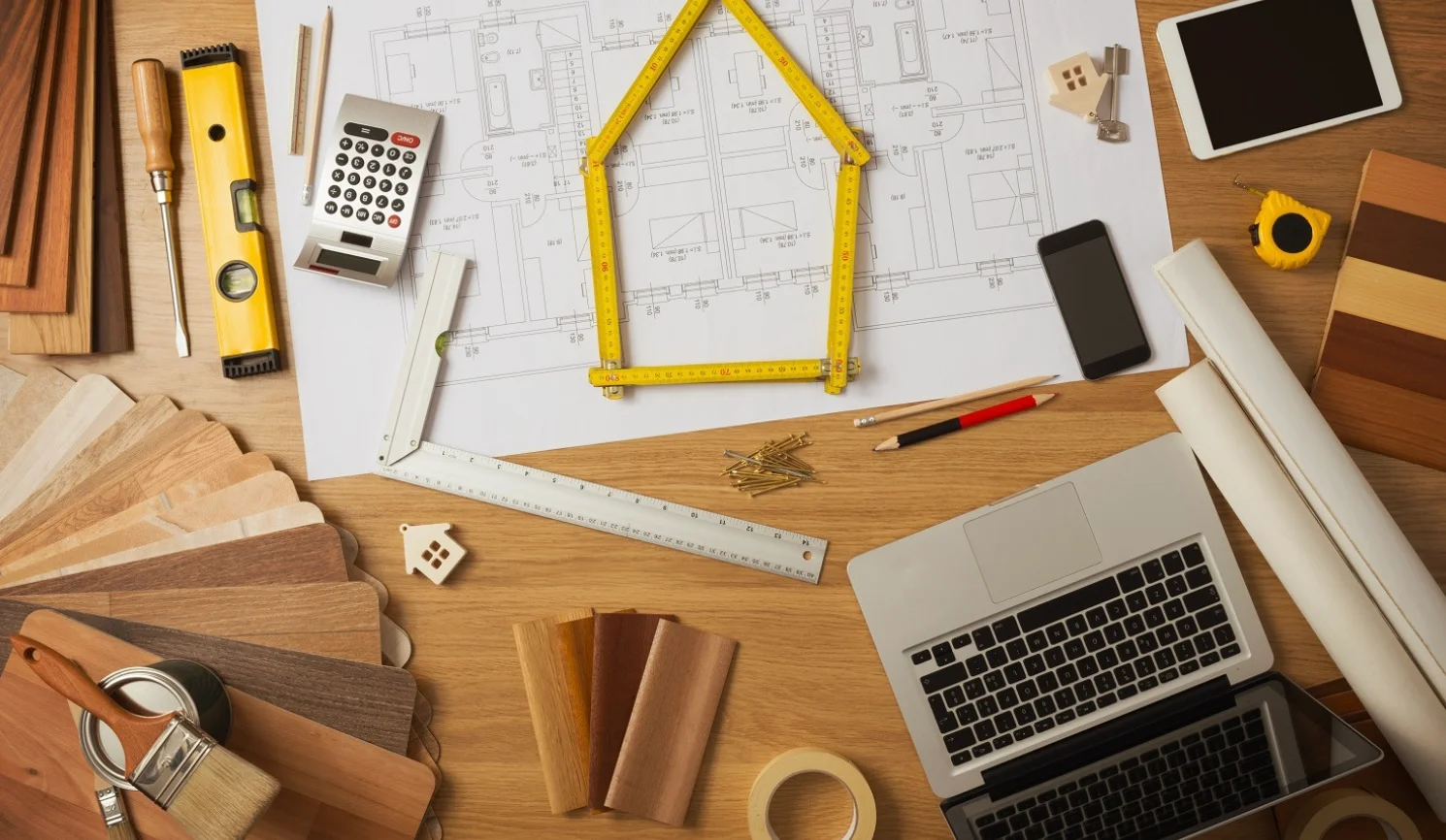
Renovating a home in the UK requires careful planning, and one of the most important steps is calculating building materials correctly to avoid delays, reduce waste, and stay within budget.
Why Accurate Material Calculation Matters?
Accurate calculations are the backbone of any successful renovation project. When you know exactly how much material you need, you can plan your purchases with confidence and avoid last minute surprises.
Avoid Wasting Money
Buying too many materials can quickly increase your costs. Many suppliers may not accept returns for opened or used items, which means wasted money if you overestimate your needs.
Prevent Project Delays
Running out of materials during construction can slow down your entire project. Workers may need to stop until new supplies arrive, which can extend timelines and increase labour costs.
Improve Budget Planning
When your material estimates are accurate, your budget becomes more reliable. This helps you allocate funds properly across different parts of your renovation.
Understanding Your Renovation Scope
Before you begin any calculations, it is important to clearly define the scope of your renovation. This step ensures that you do not miss any materials during estimation.
Identify Key Areas
Start by listing all areas you plan to renovate, such as the kitchen, bathroom, or outdoor spaces. Each area has different material requirements, so breaking them down helps in better planning.
List Required Materials
Once areas are defined, create a list of materials needed for each section. For example, a bathroom may need tiles, cement, fixtures, and paint, while a living room may need flooring and plaster.
Measure Each Space Carefully
Use a measuring tape to record dimensions like length, width, and height. Write down all measurements clearly so you can refer to them during calculations without confusion.
Basic Measurement Techniques
Understanding simple measurement methods will help you calculate materials more accurately and confidently.
Measuring Floor Area
To calculate the floor area, multiply the length of the room by its width. This gives you the total square meter area that will be covered with flooring materials.
Measuring Wall Area
Wall area is calculated by multiplying the height by the width of each wall. Add all wall areas together for a complete total.
Subtract Doors and Windows
Always subtract the area of doors and windows from your wall measurements. This ensures you do not overestimate materials like paint or plaster.
Calculating Common Building Materials
Different materials require different calculation methods. Knowing these basics will help you estimate quantities more effectively.
Brick Calculation
Bricks are commonly used in extensions and structural work. In the UK, around 60 bricks are needed per square meter of wall.
For example, if your wall area is 25 square meters, you will need about 1,500 bricks. It is also wise to add a small extra percentage to cover breakage or damage during construction.
Cement and Sand Estimation
Cement and sand are used to create mortar for brickwork and plastering. A typical mix ratio is 1 part cement to 5 parts sand.
For every 1,000 bricks, you may need about 3 bags of cement and a suitable amount of sand. The exact quantity can vary depending on the thickness of joints and application method.
Concrete Calculation
Concrete is used for foundations, slabs, and structural support. To calculate volume, multiply length, width, and depth of the area.
For example, a slab measuring 4 meters by 3 meters with a depth of 0.1 meters will require 1.2 cubic meters of concrete. Always round up slightly to ensure you have enough.
Tile Calculation
Tiles are used for floors and walls, especially in kitchens and bathrooms. Divide the total area by the size of one tile to find the number needed.
If your floor area is 15 square meters and each tile covers 0.25 square meters, you will need 60 tiles. Add extra tiles to account for cutting and breakage.
Paint Calculation
Paint estimation is usually straightforward. One litre of paint typically covers around 10 square meters.
If your total wall area is 40 square meters, you will need about 4 litres of paint for one coat. If you plan to apply two coats, double the amount.
Using Tools for Better Accuracy

While manual calculations are important, modern tools can make the process faster and more precise. Many homeowners now use a building material calculator to quickly estimate quantities and reduce human error.
These tools allow you to input dimensions and instantly get material estimates. However, it is still important to understand basic calculations so you can verify the results and make adjustments if needed.
Accounting for Waste and Extra Materials
No renovation project is perfect, and some material loss is always expected. Planning for waste ensures your project continues smoothly without interruptions.
Recommended Extra Percentages
It is a good idea to add extra materials to your calculations. For bricks, adding 5 to 10 percent is usually enough. For tiles, around 10 percent extra is recommended due to cutting and fitting. Paint may require a small additional amount for touch ups.
Why Extra Materials Are Important?
Materials can break, spill, or be cut incorrectly. Having extra supplies prevents the need for urgent purchases and keeps your renovation on schedule.
UK Specific Considerations
Renovating in the UK involves certain conditions that can affect your material calculations and choices.
Building Regulations
UK building regulations set standards for safety and quality. Some materials must meet specific guidelines, so always check compliance before purchasing.
Weather Impact
Weather plays a major role in construction. Rain and cold temperatures can affect drying times for paint and concrete, which may influence how much material you need and how you schedule your work.
Supplier Differences
Material sizes and quality can vary between suppliers. Always confirm product details before buying to ensure your calculations match what you receive.
Step by Step Calculation Process
Following a structured approach will make material estimation easier and more accurate.
Step One Measure Everything
Start by measuring all areas involved in the renovation. Take clear and accurate measurements to avoid mistakes later.
Step Two List Materials
Create a detailed list of materials required for each part of the project. This helps ensure nothing is missed.
Step Three Apply Calculations
Use basic formulas to calculate quantities for each material. Take your time and double check your work.
Step Four Add Extra Margin
Include extra materials to cover waste and unexpected issues. This step is important for smooth project flow.
Step Five Review Before Buying
Go through all your calculations again before making any purchases. Correct any errors to avoid overspending.
Common Mistakes to Avoid
Many homeowners make simple mistakes that can lead to bigger problems during renovation.
Ignoring Small Details
Small sections like corners or narrow spaces still require materials. Ignoring them can lead to shortages.
Not Subtracting Openings
Forgetting to subtract doors and windows can result in overestimating materials like paint and plaster.
Relying on Guesswork
Always measure and calculate instead of guessing. Even small errors can add up in larger projects.
Skipping Extra Materials
Not adding extra materials can cause delays if something goes wrong during installation.
Tips for First Time Renovators
If you are new to home renovation, taking a careful and simple approach will help you avoid mistakes.
Start with One Area
Begin with a single room to understand the process before moving on to larger parts of your home.
Keep Written Records
Write down all measurements and calculations so you can track your progress and make adjustments if needed.
Ask for Expert Advice
Builders, contractors, and suppliers can provide helpful guidance based on their experience.
Compare Material Prices
Check different suppliers to find the best quality materials at reasonable prices.
FAQs
How do I calculate bricks for a wall?
Multiply the wall area by 60 to estimate the number of bricks required.
How much extra material should I buy?
Add 5 to 10 percent extra to cover waste and unexpected needs.
Can I calculate materials without tools?
Yes, simple formulas are enough for most renovation projects.
What is the easiest material to estimate?
Paint is usually the easiest because of its simple coverage rule.
Do I need professional help for calculations?
For large or complex projects, professional advice can be very helpful.
Final Thoughts
Calculating building materials for a UK home renovation becomes much easier when you follow a clear process and pay attention to detail. Accurate measurements, proper planning, and a small margin for waste will help you stay on budget and avoid delays. By understanding these basics, you can manage your renovation with confidence and achieve better results.

David Weber is an experienced writer specializing in a range of topics, delivering insightful and informative content for diverse audiences.