
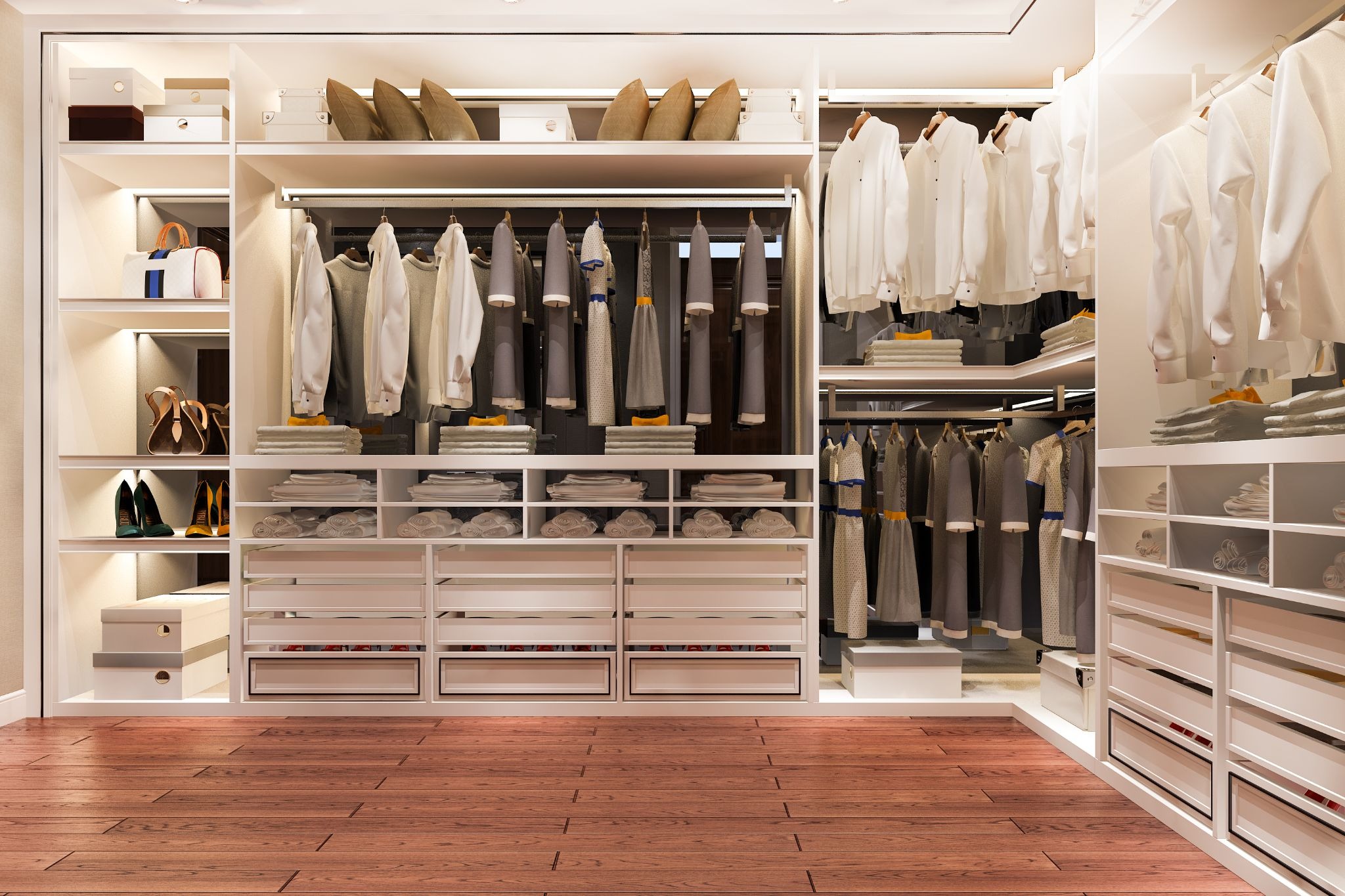
Small bedrooms get a bad reputation. Walk into one, and most people immediately start mentally apologizing for the square footage. But here’s the thing, the room isn’t the problem. The storage is.
More homeowners are finally figuring this out. Over 58% now prioritize storage upgrades during renovations, with walk-in closet projects ranking among the top five interior investments. That’s not a coincidence. It’s a shift in how people think about their homes, less about adding space, more about using what’s already there, a whole lot smarter.
The real secret? Stop treating your closet like a catch-all dumping zone and start treating it like a design feature. That one mindset shift rewrites the entire feeling of a bedroom. Custom closet ideas that marry function with genuine visual intention are quietly turning cramped, cluttered sleeping spaces into rooms that honestly feel like boutique hotels. And it starts with a single decision.
The Blueprint Behind Truly Elevated Small Bedroom Storage
Think about the rooms you’ve walked into that felt instantly calm. Ordered. Like someone actually thought about every inch. That feeling doesn’t come from expensive furniture alone; it comes from intentionality. And nowhere is that more obvious than in how storage gets handled.
Luxury small bedroom storage solutions operate from a simple premise: every shelf, every drawer depth, every hanging zone earns its spot. When nothing is arbitrary, the whole room exhales. Clutter vanishes. The space stops feeling busy and starts feeling curated, which is exactly what a bedroom should feel like at the end of a long day.
That’s the foundation. Now let’s get into the specifics.
The Process That Actually Makes It Personal
This is where custom closet installation separates itself from anything you’d pull off a shelf or order flat-packed. A professional service measures your actual space, designs around your real habits, and builds something for your life, not a generic template.
Start With What You Actually Own
Before a single bracket goes up, the smartest thing you can do is take inventory. What do you reach for every morning? What gets buried for months? Where does your routine create bottlenecks? Services start with in-home consultations because spatial reality always tells a different story than a floor plan does on paper.
Prototype Before You Commit
Digital renders and even temporary furniture arrangements can reveal layout problems before anything gets permanently installed. It sounds almost too simple, but this step alone saves people real frustration and real money.
Layouts That Squeeze Every Possible Inch
Here’s where a lot of people get it wrong: they try to shove more into a small closet instead of rethinking how the space is used. Good small space closet design works vertically, plays with entry options, and zones deliberately.
Stack Upward, Not Outward
Most small closets completely waste the top third of their height. Honestly, it’s just dead air up there. Stacked rods for shorter garments, overhead bins for seasonal items, vertical dividers for boots and bags, these moves can genuinely double usable storage without touching the footprint. Think of it less like filling a box and more like building a bookshelf. Height is your friend.
Rethink the Door Entirely
Standard hinged doors eat floor space every single time they swing open. Sliding panels, pocket doors, and even well-chosen curtain treatments all of these recover that swing radius immediately. LED-glass sliders borrowed from designer loft aesthetics do something even better: they add a reflective luminosity that makes a tight closet feel unexpectedly grand. The entryway becomes part of the design instead of an obstacle to it.
Light and Reflection: The Tools Most People Ignore
Lighting is probably the most underestimated element in custom bedroom closets. People think about it last, if at all, but it completely transforms how a space reads emotionally.
LED strips tucked beneath shelves cast a warm, low glow that makes even modest storage look intentional. Vertical illumination along hanging zones draws the eye upward, adding perceived height. And mirrors? Classic for a reason. Mirror doors and mirrored back panels bounce light, create depth, and make a tight closet feel twice its real size.
Boutique walk-in designs pair floor-to-ceiling mirror panels with warm lighting, and the result feels more like a dressing room than a storage corner. You’ve probably seen this in hotels and wondered why your own closet feels so uninspiring by comparison.
Now you know why.
The Details That Make You Actually Feel the Difference
There’s a gap between a standard closet and a high-end one, and it’s often less about budget than people assume. It’s about texture. About touch.
Velvet-lined jewelry drawers, leather-wrapped hardware, subtle monogrammed accents; these are sensory choices. Borrowed directly from boutique designers who’ve always understood that real luxury is felt, not just admired from across the room.
Rotating jewelry carousels, pull-out belt racks, and modular shoe displays turn a small space into something almost theatrical. Every item has a home. Retrieving it feels intentional. That’s a completely different morning experience than rooting through a pile.
Smart Functionality, Beautifully Hidden
High-end closet organization at its best hides its own complexity. The most impressive systems look effortless, and that’s entirely the point.
Concealed drawer runners, push-to-open mechanisms, and integrated task lighting keep the visual profile clean while quietly doing serious functional work. Designer Jerel Lake built a loft transformation around exactly this principle: hidden functionality paired with gallery-quality aesthetics. A hard-working closet doesn’t have to look like one.
Narrow benches with hidden storage underneath. Fold-down vanities that disappear when not needed. These compact additions convert underused corners into genuine luxury, which is a concept drawn straight from spare-room conversion design principles. When something pulls double duty without looking like it does, that’s good design.
Standard Closets vs. Custom Systems: The Honest Breakdown
| Feature | Standard Closet | Custom Closet System |
| Vertical space use | Often wasted | Fully optimized |
| Material quality | Generic | Premium, personalized |
| Lighting | None or basic | Integrated LED |
| Door options | Standard hinged | Sliding, pocket, curtain |
| Adjustability | Fixed shelves | Modular, adaptable |
| Perceived room size | Unchanged | Noticeably expanded |
What’s Coming Next in Closet Design
The space is evolving fast, and some of what’s arriving is genuinely exciting.
Motorized wardrobe walls that slide or pivot to reveal full walk-in spaces are showing up in thoughtfully designed small-bedroom layouts. Elegant, space-efficient, and yes, a little dramatic in the best possible way.
Dual-zone systems for couples with separate drawer configurations and hanging heights are eliminating the morning territorial disputes that make shared closets quietly miserable. Small bedroom or not, this genuinely improves daily life.
Your Small Bedroom Deserves Better Than “Good Enough”
More square footage isn’t the answer. A smarter, more intentional approach to every inch you already have is the answer. Whether you’re drawn to mirrored panels, rotating jewelry carousels, or integrated lighting, the common thread running through every great closet design is this: when storage is built around your actual life, it stops feeling like storage at all. It just feels like your room, and a really good one at that.
Frequently Asked Questions
Why are people taking closet doors off entirely?
Open closets make rooms feel larger and less chaotic. No doors eating floor space or wobbling on worn hinges. When everything’s visible and organized, your morning moves faster, no hunting, no frustration.
How deep should a custom closet realistically be?
Around 24 inches is standard for hangers to sit without touching the back wall. Shallower designs around 20 inches work well for folded items and accessories, genuinely useful when every floor inch counts.
Can a closet under 20 square feet actually feel luxurious?
Absolutely yes. Premium materials, LED lighting, mirrored panels, and velvet-lined drawers create a sensory experience that has nothing to do with square footage. Some of the most indulgent closets out there are compact.
