
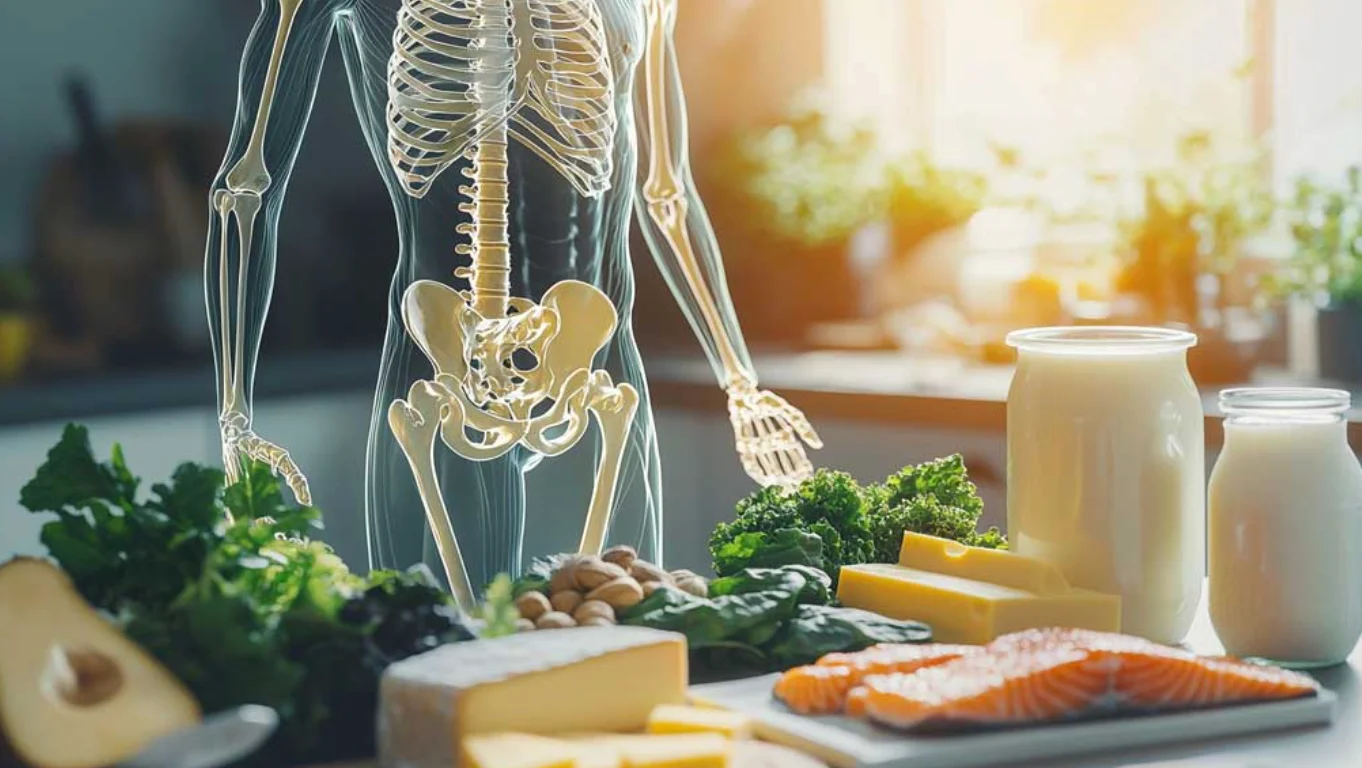
Recovering from a fracture takes more than just a cast and patience. Nutrition plays a huge role in how fast — and how well — bones knit back together. The resource AskDocDoc on bone healing nutrition breaks down the science behind dietary support for fracture recovery, and it’s worth building on those insights here.
What Is the Most Important Nutrient for Bone Healing?
Calcium gets all the attention, but protein might matter even more. Bone matrix is roughly 50% protein by volume. A 2017 review in Osteoporosis International found that low protein intake was linked to significanly slower fracture healing in elderly patients. Adults need at least 1.2 g of protein per kg of body weight daily during recovery.
Calcium still matters, of course — aim for 1,000–1,200 mg per day. But without adequate protein and collagen synthesis, calcium has nowhere to go.
Which Food Is Best for Bone Healing?
There’s no single magic food. But some stand out. Sesame seeds pack about 975 mg of calcium per 100 g. Drumstick leaves (moringa) deliver calcium, vitamin K, and vitamin C in one package. Sardines with bones are another powerhouse.
Ayurvedic tradition highlights cow’s ghee and soaked raisins for joint and bone nourishment — what’s called supporting asthi dhatu. Modern science partially backs this: ghee contains vitamin K2, which directs calcium into bones rather than arteries.
Don’t overlook anti-healing foods either. Excess caffeine, alcohol, and high-sodium meals actively pull calcium from bones or impair absorption.
What Is the Best Supplement for Bone Healing?
Vitamin D is the gatekeeper. Without it, your body absorbs only 10–15% of dietary calcium. A 2020 study in Journal of Bone and Mineral Research showed that patients with vitamin D levels above 30 ng/mL healed fractures roughly 2 weeks faster.
Vitamin C is critical too — it drives collagen formation. And magnesium, often forgotten, activates over 300 enzymes involved in bone metabolism. A simple stack: vitamin D3 (2,000 IU), magnesium (400 mg), and vitamin C (500 mg) daily. Always confirm dosages with your doctor.
What Are the 4 A’s of Bone Healing?
The four A’s — Alignment, Approximation, Adequate blood supply, and Absence of infection — are surgical principles. But nutrition directly supports at least two of them. Adequate blood supply depends on iron, folate, and vitamin C for healthy red blood cell production. And fighting infection requires zinc and protein for immune function.
FAQ
Does bone healing have phases with different nutritional needs?
Yes. The inflammatory phase (days 1–7) benefits from anti-inflammatory foods like fatty fish. The repair phase (weeks 2–6) demands peak calcium and protein. Remodeling (months 2–6) needs sustained vitamin D and K2.
Do vegans heal slower?
Not necessarily, but they must plan carefully. Plant proteins, fortified milks, and supplemental B12 and D3 close most gaps.
Final Thoughts
Bone healing is an active metabolic process, not passive waiting. The right nutrients at the right time can meaningfully shorten recovery. Focus on protein, calcium, vitamins D and C — and cut back on the stuff that works against you. Your skeleton will thank you later.

David Weber is an experienced writer specializing in a range of topics, delivering insightful and informative content for diverse audiences.