
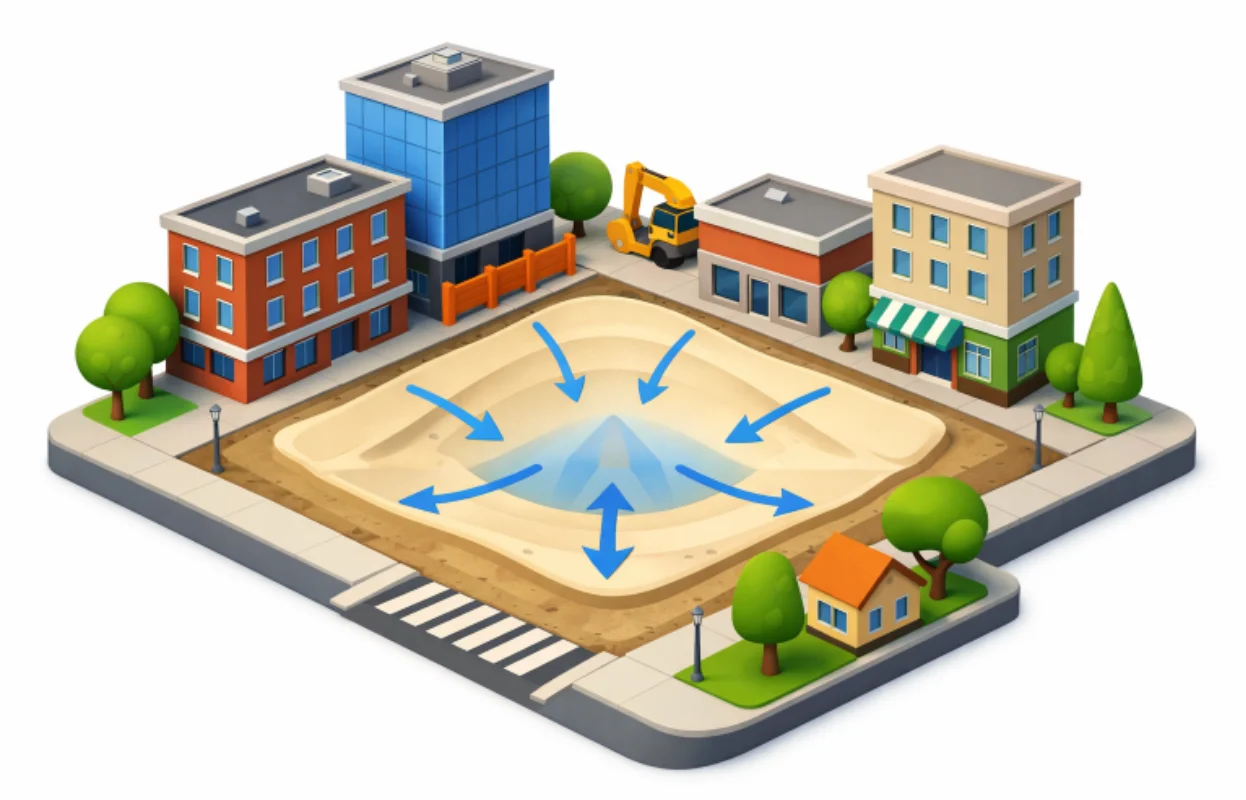
Understanding Infill Grading Plans
In cities nationwide, demand to maximize urban land use is higher than ever. Infill grading plans offer a robust solution for mapping how land should be leveled, contoured, and prepared for new construction amid existing developments. These carefully crafted plans help ensure that fresh structures are compatible with the surrounding environment, taking into account issues such as water drainage, soil composition, and ecosystem impacts.
Urban infill often aims to revitalize underused lots or adapt old sites to new uses, which creates opportunities for smarter, more sustainable growth. Effective grading promotes the smooth integration of new buildings and is a vital step in protecting both public safety and property investments.
With each urban infill project, engineers and city planners face the unique challenge of aligning the new with the old. This means blending building heights, street networks, and landscapes while also minimizing disruption to existing neighborhoods.
Since cities grow and change over time, thoughtful infill grading plans are necessary to manage those transitions responsibly and efficiently. To better understand the value of such plans, it helps to examine how they address crucial concerns in urban environments, such as water movement, pedestrian safety, and ecosystem preservation.
The Importance of Proper Grading in Urban Development
Effective grading lies at the heart of successful urban development. The positioning and elevation of a site affect far more than just appearance. Proper grading is essential in achieving:
- Drainage Management: By directing water away from structures, grading helps prevent problems such as flooding, foundation weakening, and landscape erosion.
- Structural Integrity: The stability of buildings and infrastructure depends on solid foundations that resist shifting soils and long-term settlement. Grading creates a level and compacted base for construction.
- Environmental Considerations: Responsible grading techniques limit soil disruption, reduce runoff, and support the urban tree canopy, all of which contribute to the health of local ecosystems.
Challenges in Infill Grading
Infill grading comes with its own set of challenges. Urban areas are characterized by limited space, dense infrastructure, and varied site histories. These conditions often require creative problem-solving, including:
- Limited Space: Adjusting site elevations within small or irregularly shaped lots demands engineering precision and flexible planning. Ensuring every square foot is useful and accessible can be difficult.
- Existing Infrastructure: Integrating new projects with established utilities, roads, and neighboring buildings requires a detailed understanding of what lies beneath and around the site. Overlooking existing pipelines or cables can increase costs and delay projects.
- Community Impact: The ultimate success of an infill development often rests on how well it fits with local aesthetics, traffic patterns, and community goals. Obtaining public feedback through open meetings and listening sessions can reduce opposition and foster long-term support.
Case Studies: Successful Infill Projects
Numerous cities have made headlines with creative and effective infill developments:
- Chicago’s Missing Middle Initiative: Through this program, city officials are transforming vacant lots into multi-unit housing to offer affordable options and encourage neighborhood renewal.
- Los Angeles’ Upzoning Strategy: The city implemented zoning changes allowing four-story buildings in areas previously reserved for single-family homes. This promotes density, meets housing needs, and addresses concerns about sprawl.
Best Practices for Developing Infill Grading Plans
- Comprehensive Site Analysis: Engineers should start with a detailed assessment of soil types, existing structures, topography, and subsurface conditions. This data informs every decision made during the grading process.
- Community Engagement: By engaging with neighbors, property owners, and city officials early on, developers can identify community priorities and potential issues, build consensus, and secure support before a project breaks ground.
- Regulatory Compliance: Adhering to all relevant building codes, environmental regulations, and zoning ordinances is vital. Early collaboration with local permitting offices can help to expedite approvals and identify concerns before construction starts.
- Sustainable Design: Incorporating eco-friendly elements such as permeable paving, rain gardens, and green buffers supports stormwater management and adds value to residents. These features can also ease the urban heat island effect and support climate resilience.
Conclusion
Quality infill grading plans are at the heart of strong urban regeneration and sustainable growth. They provide the foundation for balanced development that benefits city residents, preserves neighborhood character, and enhances resilience to environmental change. Whether revitalizing a blighted lot or building new homes in a bustling downtown district, thoughtful grading is key to developing spaces where people and nature can thrive together.

David Weber is an experienced writer specializing in a range of topics, delivering insightful and informative content for diverse audiences.