
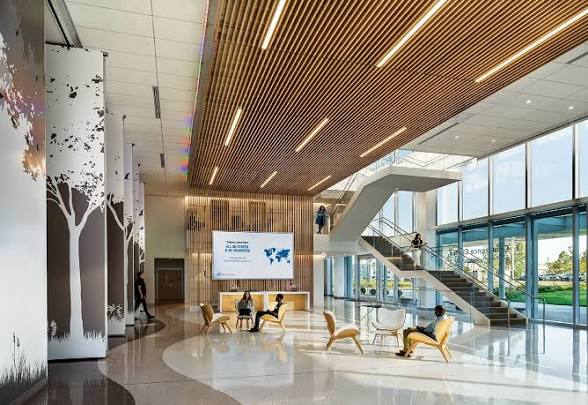
Residents evaluate more than square footage and finishes when choosing where to live; they increasingly expect seamless, responsive environments that anticipate needs and simplify daily life. Integrated building connectivity transforms static spaces into dynamic living ecosystems, blending hardware, software, and services to create measurable improvements in convenience, safety, and satisfaction. When executed thoughtfully, these systems become differentiators that attract and retain residents while unlocking operational efficiencies for operators and owners.
Why Connectivity Matters
Modern residents expect swift, secure access to services and information. Connectivity enables features such as remote package notifications, automated climate comfort profiles, frictionless access control, and building-wide alerts that reach people where they are. Beyond convenience, integration fosters a sense of community: digital amenity reservations, resident messaging, and usage analytics for common areas encourage engagement and fair access. The strategic value goes further. Data aggregated from connected systems can inform capital planning, identify energy-saving opportunities, and reduce emergency response times, converting abstract benefits into tangible returns.
Architecting Integrated Systems
Successful integration requires a layered approach. At the foundation sits robust network infrastructure—redundant internet routes, managed switches, and secure Wi-Fi that supports both resident devices and building systems. Above that, interoperable platforms enable disparate subsystems—elevators, lighting, HVAC, access control, and sensors—to communicate and share context. Application programming interfaces and middleware translate vendor-specific protocols into cohesive workflows. In practice, this architecture lets a resident arrive home, have doors unlock via a secure mobile credential, triggers personalized lighting scenes, and adjusts the thermostat to a preferred setting. These interactions create a higher level of connection for multifamily units without drawing attention to the complex orchestration behind them.
Resident-Focused Features
Integrated connectivity can personalize resident experiences at scale. Mobile apps that bundle access, amenities reservations, and maintenance requests reduce friction and centralize service. Smart locks and visitor management systems eliminate keys as the primary security mechanism while providing audit trails and temporary access options. Climate and lighting controls that learn resident patterns improve comfort and reduce energy waste. Likewise, package management systems paired with real-time notifications and secure lockers resolve a common pain point, increasing perceived value. The aim is to reduce friction across everyday interactions and to present technology as an unobtrusive extension of the living experience rather than a novelty.
Operational and Financial Upsides
From an operational perspective, integrated systems streamline workflows. Centralized dashboards aggregate alarms, service tickets, and performance metrics, enabling staff to triage issues more quickly and to plan preventive maintenance effectively. Energy management systems tied to occupancy and weather forecasting can reduce utility spend, while analytics can inform decisions about amenity investments based on actual usage patterns. For owners, higher resident satisfaction correlates with lower turnover, fewer concessions, and the ability to command premium rents. Additionally, a modern connectivity suite can be a compelling differentiator in marketing materials and tours, making units easier to lease and shortening vacancy cycles.
Security and Privacy Considerations
Connectivity amplifies both potential and risk. Strong cybersecurity hygiene must be baked into system design: network segmentation between resident and operational systems, encrypted communications, multi-factor authentication for administrative access, and routine software patching are non-negotiable. Privacy policies should clarify what data is collected, how long it is retained, and how it is used, particularly when data informs predictive services. Transparent communication builds trust; residents are more receptive to connectivity when they understand practical benefits and data protections.
Implementation Roadmap
A successful rollout begins with a clear needs assessment that involves operators, residents, and technicians. Start with low-friction, high-impact pilots, package lockers or mobile access, for example, to validate technology choices and adoption strategies. Use those pilots to refine integration standards and resident onboarding flows. Infrastructure upgrades such as fiber runs, power sourcing for edge devices, and HVAC controls often require capital planning; phased investments allow benefits to accrue early while enabling scale.
Effective climate management is a primary driver of resident satisfaction, particularly when systems are integrated into a building’s broader digital ecosystem. Modern environmental controls allow property managers to monitor performance trends and address potential mechanical issues before they impact the living space. When property owners prioritize these underlying infrastructure updates, they often see improved energy efficiency and more consistent indoor comfort across all units. You can learn this here now to understand how consistent maintenance and system upgrades support long-term operational health. By focusing on the reliability of essential heating and cooling components, buildings can maintain the responsive, high-quality environment that modern residents have come to expect from premium multifamily developments.
Vendor partnerships matter; prioritize platforms that support open standards and provide robust APIs to avoid vendor lock-in. Companies such as Touchstone 1 also emphasize the importance of pairing strong infrastructure with responsive technical support and customized deployment strategies that reflect how residents actually interact with connected environments. Finally, plan for ongoing governance: regular reviews of system performance, resident feedback loops, and security audits keep the ecosystem healthy.
Future-Proofing and Scalability
Connectivity is not static; hardware and software evolve rapidly. Adopt modular architectures that let you upgrade individual components without replacing the entire stack. Embrace solutions that use open protocols or well-documented APIs to ensure compatibility with future services. Consider partnerships with local ISPs or managed services providers to maintain connectivity SLAs and to offload 24/7 monitoring. Scalability also means designing with equity and accessibility in mind—features should be usable by residents with diverse needs and devices.
Final Thoughts
Elevating the resident experience through integrated building connectivity requires a balance of technological ambition and practical execution. When infrastructure, platforms, and human-centered design align, buildings become responsive places that enhance comfort, security, and community. The most successful projects start with clear goals, prioritize resident value, and build security and flexibility into the architecture. As operators and developers pursue smarter buildings, their focus should remain on creating seamless experiences that feel intuitive and reliable, turning connectivity from a selling point into a sustained competitive advantage.
