
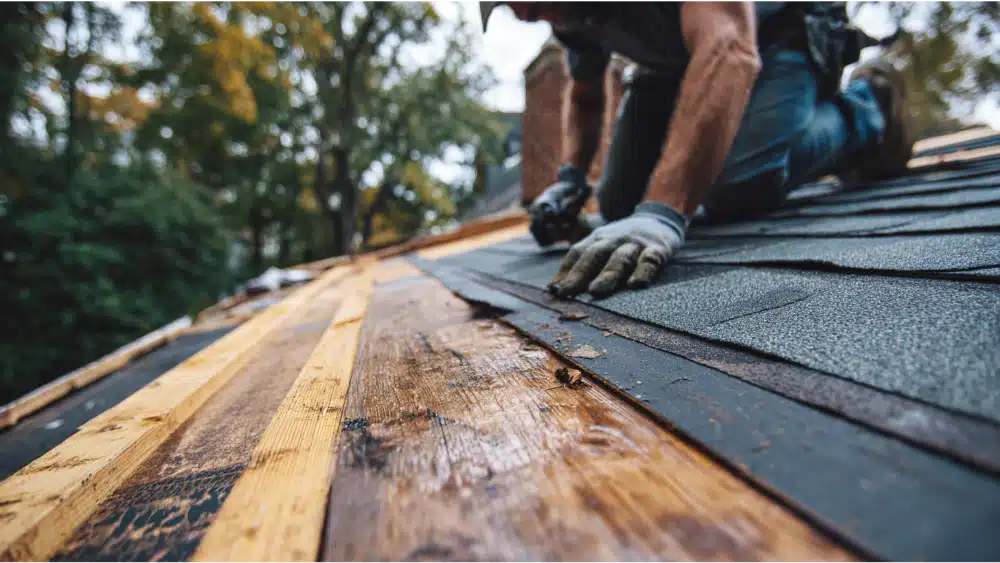
Interior water damage often begins long before stains appear on ceilings or moisture reaches the walls. Small roofing issues can quietly develop into major structural concerns that affect insulation, drywall, flooring, electrical systems, and even indoor air quality. Many homeowners focus on fixing visible leaks after damage has already occurred, but prevention is far more effective and less disruptive.
A properly maintained roof acts as a shield, controlling how water moves away from the home during heavy rain, wind, and changing weather conditions. Roofing professionals play an important role in identifying weak points early, reinforcing vulnerable areas, and helping homeowners avoid costly interior repairs that can grow over time.
Early Protection Strategies
- Routine Roof Inspections Help Detect Hidden Moisture Risks
One of the most important ways roofing professionals prevent interior water damage is by conducting regular roof inspections that uncover minor issues before they become severe. Many roofing problems are difficult to notice from the ground because the earliest signs often develop beneath shingles, around flashing, or near ventilation systems. A roofing crew examines areas where moisture commonly enters, including valleys, roof penetrations, skylights, chimneys, and gutter connections. Even minor cracks or lifted materials can allow rainwater to slowly seep into attic spaces and wall cavities.
Once moisture becomes trapped in these areas, mold growth and wood deterioration can quietly spread through the structure. Thorough inspections help homeowners understand how weather exposure affects roofing materials over time and why small repairs should never be delayed. During seasonal transitions, roofing professionals also assess whether temperature fluctuations, wind exposure, or debris buildup have weakened specific sections of the roof. A homeowner working with a roofing company operating in Hanover may benefit from inspection schedules that align with local weather conditions and seasonal rainfall patterns that place added stress on residential roofing systems.
- Proper Flashing Installation Prevents Water From Entering Vulnerable Areas
Flashing is one of the most important protective components of a roofing system because it seals transitions and directs water away from areas where leaks commonly begin. Around chimneys, vents, dormers, and roof edges, flashing creates barriers that prevent rain from penetrating gaps between materials. Poorly installed or aging flashing often becomes a major source of hidden interior water damage because moisture can travel beneath roofing layers and spread into ceilings before visible warning signs appear. Roofing professionals carefully inspect flashing for rust, separation, lifting edges, and weakened sealants that may no longer provide effective protection.
In many homes, flashing deterioration develops gradually due to repeated exposure to heat, cold temperatures, and moisture cycles. Preventive maintenance helps stop these weak points from turning into widespread leaks that affect insulation and framing. Roofing crews also ensure that flashing integrates properly with surrounding materials so water flows safely toward drainage systems rather than collecting in corners or seams. Attention to these details helps maintain a watertight roofing surface that protects the interior structure during heavy storms and prolonged rainfall.
- Gutter Maintenance Plays a Major Role in Water Control
A roof cannot properly protect a home from moisture if the gutter system fails to direct water away efficiently. Gutters and downspouts help manage rainwater runoff by channeling water away from siding, foundations, and roof edges. When gutters become clogged with leaves, dirt, or debris, water may overflow and seep beneath roofing materials or behind exterior walls. Over time, this excess moisture can lead to interior stains, damaged insulation, warped wood, and weakened drywall. Roofing professionals often inspect gutters during roof evaluations because drainage problems frequently contribute to hidden water intrusion.
They check for sagging sections, disconnected joints, improper slopes, and blockages that restrict water movement. Proper gutter alignment helps prevent standing water from collecting along roof edges, where moisture can gradually penetrate vulnerable areas. In colder climates, clogged gutters may also contribute to ice buildup that forces water beneath shingles and into attic spaces. Preventive gutter maintenance supports the overall roofing system by ensuring rainwater exits the property safely rather than remaining trapped near structural components. Consistent drainage management reduces the likelihood of expensive repairs resulting from prolonged exposure to interior moisture.
- Roof Ventilation Helps Prevent Moisture Accumulation Indoors
Roof ventilation contributes significantly to moisture control by regulating airflow in attic spaces and reducing condensation buildup that can damage interior structures. Without proper ventilation, warm, humid air may become trapped beneath the roof, creating conditions that encourage mold growth, wood rot, and insulation deterioration. Roofing professionals evaluate intake and exhaust ventilation systems to ensure air circulates effectively throughout the attic. This airflow helps stabilize temperature and moisture levels in both hot and cold weather. During winter, inadequate ventilation may allow condensation to form beneath roofing materials as warm indoor air rises into the cooler attic.
Over time, this hidden moisture can weaken wooden framing and contribute to staining on ceilings and walls. In warmer months, trapped heat and humidity may accelerate the deterioration of roofing materials while increasing indoor discomfort. Roofing crews may recommend ventilation adjustments when they notice signs of excessive attic moisture, including damp insulation, mildew odors, or warped wood surfaces. Maintaining balanced ventilation protects both the roofing structure and the interior environment by limiting the conditions that allow hidden moisture problems to develop gradually within the home.
- Prompt Roof Repairs Reduce the Risk of Structural Damage
Small roofing problems often become much more serious when repairs are postponed, especially when water intrusion begins affecting structural components inside the home. Missing shingles, damaged sealants, cracked vents, or weakened underlayment may appear minor initially, yet they create opportunities for rainwater to enter hidden spaces during storms. Roofing professionals address these concerns quickly to prevent moisture from spreading through ceilings, walls, and support framing. Once water reaches the insulation or drywall, repairs become more complicated because interior materials may need to be removed and replaced in addition to roofing work.
Prompt repairs help homeowners avoid situations in which prolonged leaks weaken wood framing or contribute to unhealthy indoor conditions from mold growth.
When moisture lingers long enough to damage framing and drywall, simple repairs are no longer sufficient to restore a home’s safety. Structural issues or persistent dampness often require assistance from professional restoration technicians in Oregon City to completely dry the property and address deep material degradation. Coordinating with local mitigation experts ensures that hidden moisture pockets are thoroughly resolved before structural issues compromise your living space.
Roofing crews also assess whether surrounding materials have been affected by the original damage, since water can travel beyond the visible source of a leak. Addressing roofing concerns early helps preserve the structural integrity of the home while reducing long-term repair expenses. Preventive repair strategies support overall home protection by minimizing opportunities for moisture intrusion before major interior damage develops.
- Long-Term Prevention Creates a Safer Indoor Environment
Preventing interior water damage requires more than responding to leaks after they appear. A proactive roofing approach focuses on maintaining every component that helps control moisture before it enters the home. Roofing professionals contribute to long-term protection through inspections, drainage management, ventilation improvements, flashing maintenance, and timely repairs, thereby reducing the risk of hidden structural deterioration.
These preventive efforts help preserve ceilings, walls, insulation, and flooring while also supporting healthier indoor air quality by limiting mold growth and excess humidity. Homes that receive consistent roof maintenance are often better prepared to handle heavy rain, seasonal weather changes, and aging materials without experiencing severe interior damage. By addressing roofing concerns early and maintaining proper water control systems, homeowners can avoid costly repairs and protect the overall stability of their living spaces for many years.

Amazing tool for downloading Instagram reels quickly and easily. I didn’t face any issues while using it, and the quality of downloaded videos is excellent. The process is smooth and user-friendly. It saves a lot of time and effort. Highly recommended for people who love collecting reels and sharing them later.
Prevention really is everything when it comes to roofs. I’ve started documenting problem areas around my house with photos and turning them into short clips using muse photo to video, so I can actually see how things change after each storm. Makes it easier to know when to call someone before the damage spreads indoors. muse photo to video