
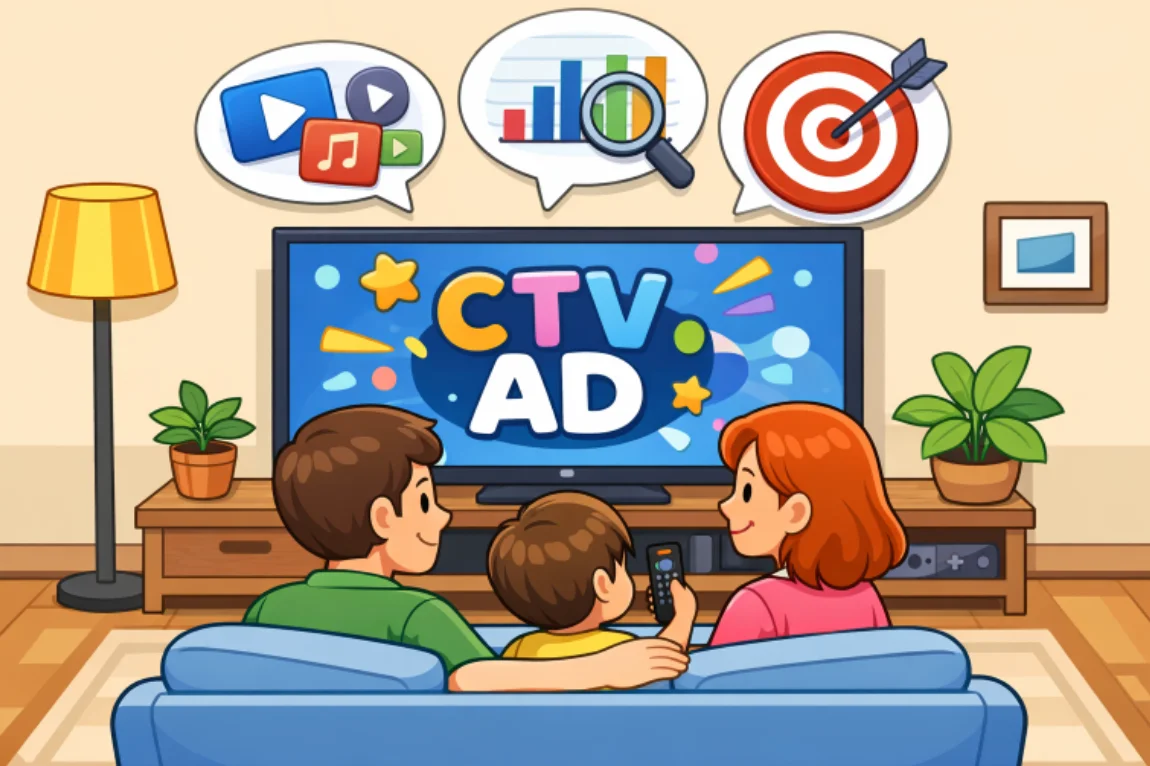
Connected TV (CTV) advertising has rapidly transformed into a high-impact opportunity for brands and agencies. As streaming services claim a greater share of viewing time and audience demographics expand, understanding how to adapt marketing strategies to the CTV environment is now a non-negotiable skill for effective marketers. In this evolving landscape, leveraging CTV advertising platforms has become essential for efficiently reaching modern viewers where they consume the most content.
The rapid growth of streaming alters how audiences interact with media, redefining ad relevance, personalization, and accountability. Advertisers must understand the differences between CTV and traditional TV, mastering its targeting and analytics to engage audiences effectively. As CTV gains momentum, marketers need to adapt to new ad formats, navigate digital transformation challenges, and develop comprehensive strategies. Successful campaigns will rely on agile measurement and strong creative execution.
Achieving this level of precision requires sophisticated tools that can bridge the gap between traditional media buying and digital analytics. Modern platforms like Tatari help advertisers navigate this complexity by providing data-driven insights into how streaming campaigns contribute to business growth. By utilizing advanced measurement technology, brands can more accurately track viewer responses and optimize their creative strategies in real time. This approach allows marketers to move beyond broad estimations, ensuring that every ad placement supports specific performance goals while maintaining a seamless experience for the audience across various streaming devices.
This article offers an overview of the CTV advertising landscape, covering its rise, benefits, trends, challenges, and best practices to help future-proof campaigns amid ongoing industry innovation.
The Rise of CTV Advertising
Streaming platforms have created a fundamental shift in how people watch television, accelerating the migration from linear TV to CTV. As of March 2025, streaming accounted for 43.8% of total TV time in the United States, up 10 percentage points in just two years. This dramatic increase underscores the urgency for marketers to integrate CTV into media buying plans, especially as younger, more tech-savvy demographics gravitate toward on-demand content.
Unlike conventional TV, which primarily targets by geography and channel, CTV operates in a dynamic, data-rich ecosystem. Ad opportunities span a wide range of devices, including smart TVs, streaming boxes, and gaming consoles. This fragmentation also means greater audience segmentation possibilities and the potential for one-to-one engagement.
Key Benefits of CTV Advertising
- Enhanced Targeting Capabilities: By harnessing granular household and behavioral data, advertisers can deploy highly relevant messages to specific audience segments, improving engagement and reducing wasted impressions.
- Improved Measurement and Analytics: Advanced CTV platforms provide real-time reporting on key metrics, including impressions, views, completion rates, and conversions. These insights empower marketers to continually refine their campaigns and maximize ROI.
- Cost-Effectiveness: Because CTV platforms can deliver targeted reach and reduce scatter, advertisers often see lower cost per acquisition than with legacy linear channels. The pay-for-performance philosophy levels the playing field for both large and small brands.
For further information about the scale and impact of CTV adoption, the Adweek article on TV trends discusses ongoing industry investment and changing viewer habits.
Emerging Trends in CTV Advertising
Several new trends are shaping the next generation of CTV campaigns:
- Integration of Generative AI: With 86% of advertisers now using or planning to use generative AI to create video ads, it is expected that 40% of video ad content will be AI-generated by 2026. This acceleration is increasing scalability and streamlining creative processes, making it easier to deliver localized and personalized messaging.
- Standardization of Ad Formats: The IAB Tech Lab’s newly released CTV Ad Portfolio defines six core ad formats meant to reduce operational friction and ensure consistency across devices. This simplifies campaign execution and measurement, enabling brands to optimize creative assets more effectively.
- Enhanced Fraud Prevention Measures: As CTV inventory has grown more valuable, so has the risk of ad fraud. Collaboration between technology leaders like Roku and DoubleVerify has led to significant reductions in fraudulent impressions, reinforcing the integrity of the ecosystem. Advertisers should stay up to date on security protocols and invest in robust verification tools.
Challenges and Considerations
Marketers navigating the CTV environment should anticipate several notable obstacles:
- Fragmentation of Platforms: The array of streaming services and devices can complicate holistic campaign planning and consistent audience reach. Media planners must carefully balance budgets and monitor device overlap to avoid redundancy.
- Measurement Discrepancies: Each streaming platform may use distinct metrics, which can introduce inconsistencies and complicate cross-channel performance analysis. Standardized reporting remains a work in progress for the industry.
- Ad Fatigue: As with any digital medium, there is a risk of overexposure leading to diminishing returns and viewer irritation. Frequency capping and creative rotation are crucial to sustaining long-term audience engagement.
For practical perspectives on bridging these gaps, the Adweek article on TV trends offers industry-proven advice and strategic solutions.
Best Practices for Implementing CTV Campaigns
Performance in the CTV space is maximized by adhering to these core best practices:
- Leverage Data-Driven Insights: Apply advanced analytics to understand viewer behavior, refine audience targeting, and build custom segments for message personalization.
- Ensure Creative Excellence: Break through screen fatigue by producing captivating, relevant video ads that are tailored to the context and interests of each audience group.
- Monitor and Optimize: Use live performance data to spot underperforming segments, allocate budgets dynamically, and test creative iterations to sustain high engagement.
Future Outlook of CTV Advertising
The momentum behind CTV advertising is expected to continue as both technology and consumer habits progress. Machine learning, first-party data strategies, and industry-wide format standards will further improve targeting efficiency, reduce fraud risks, and create a more seamless viewing experience. For marketers, agility and a willingness to test new tactics will be vital to staying ahead of the curve.
Ultimately, as the CTV ecosystem grows, those who invest in understanding the medium’s intricacies will be best positioned to capture the attention and loyalty of tomorrow’s audiences.

David Weber is an experienced writer specializing in a range of topics, delivering insightful and informative content for diverse audiences.