
There is something quietly revolutionary happening in shelters, veterinary clinics, and pet supply aisles across the country. Senior dogs — those seven years and older — are finally getting the recognition, resources, and devoted ownership they have always deserved. The industry is responding in kind, and the result is a new era of care that is giving older dogs longer, more comfortable, and more joyful lives than any previous generation of senior pets has known.
The Shift Toward Adopting Older Dogs
For years, puppies dominated adoption interest while older dogs waited longest in shelters, often overlooked in favour of younger animals with their whole lives ahead of them. That dynamic is shifting in meaningful ways. A growing number of prospective owners are actively seeking senior dogs, drawn by their calmer temperaments, established personalities, and the profound satisfaction of offering a loving home during a dog’s later years. Advocacy campaigns, social media communities, and dedicated rescue organisations have all played a significant role in changing the narrative around older dogs — reframing the senior pet not as a sad consolation choice, but as a deeply intentional and rewarding one.
Hashtag movements, viral adoption stories, and influencers who document life with their grey-muzzled companions have introduced the idea of senior dog ownership to entirely new audiences. What was once a niche preference is becoming a mainstream consideration, particularly among adults who want a companion whose energy and personality are already well established.
What Senior Dogs Actually Need
Caring for a senior dog requires a more attentive and tailored approach than raising a puppy. Joint health becomes a priority, as many older dogs develop arthritis or mobility difficulties that can benefit from orthopedic bedding, ramps, and anti-inflammatory supplements. Dental disease is prevalent in older dogs and often goes undertreated, making regular dental checks critical not just for oral health but for overall well-being, as untreated dental issues can affect the heart, kidneys, and liver over time.
Cognitive changes — sometimes called canine cognitive dysfunction — can also emerge in older dogs, presenting as disorientation, disrupted sleep cycles, or changes in social behaviour. These shifts require environmental adjustments and thoughtful enrichment to support mental clarity and reduce anxiety. Puzzle feeders, consistent routines, and gentle stimulation can make a meaningful difference to a dog experiencing cognitive decline.
Nutrition shifts significantly in the senior years. Senior-formulated diets typically feature adjusted protein levels, joint-supporting compounds like glucosamine and chondroitin, and modified caloric content to account for reduced activity and slower metabolisms. Hydration becomes increasingly important, and some older dogs benefit from wet food or water-enhanced meals to support kidney function. Veterinary visits also increase in frequency, moving to every six months for most dogs at this life stage, with bloodwork and organ function panels becoming routine rather than reactive.
The Industry’s Response
The pet industry has moved quickly and comprehensively to serve this growing segment of dog owners. Specialist product lines now cover mobility aids, senior-specific supplements, therapeutic bedding, and ramps designed to reduce joint strain on stairs and furniture. Memory foam orthopedic beds have gone from a premium novelty to a widely accessible staple, available at most major pet retailers. Harnesses with belly support allow dogs with rear-end weakness to continue walking comfortably with their owners, preserving both physical health and the emotional bond that daily walks provide.
Veterinary telehealth services have made it easier for senior dog owners to monitor changes and access professional advice without the stress of clinic visits for every concern. For dogs who find travel and waiting rooms increasingly difficult, this access to remote consultations has been genuinely transformative. It allows owners to flag subtle changes early — a slight change in appetite, a new hesitation on stairs — before they become serious problems.
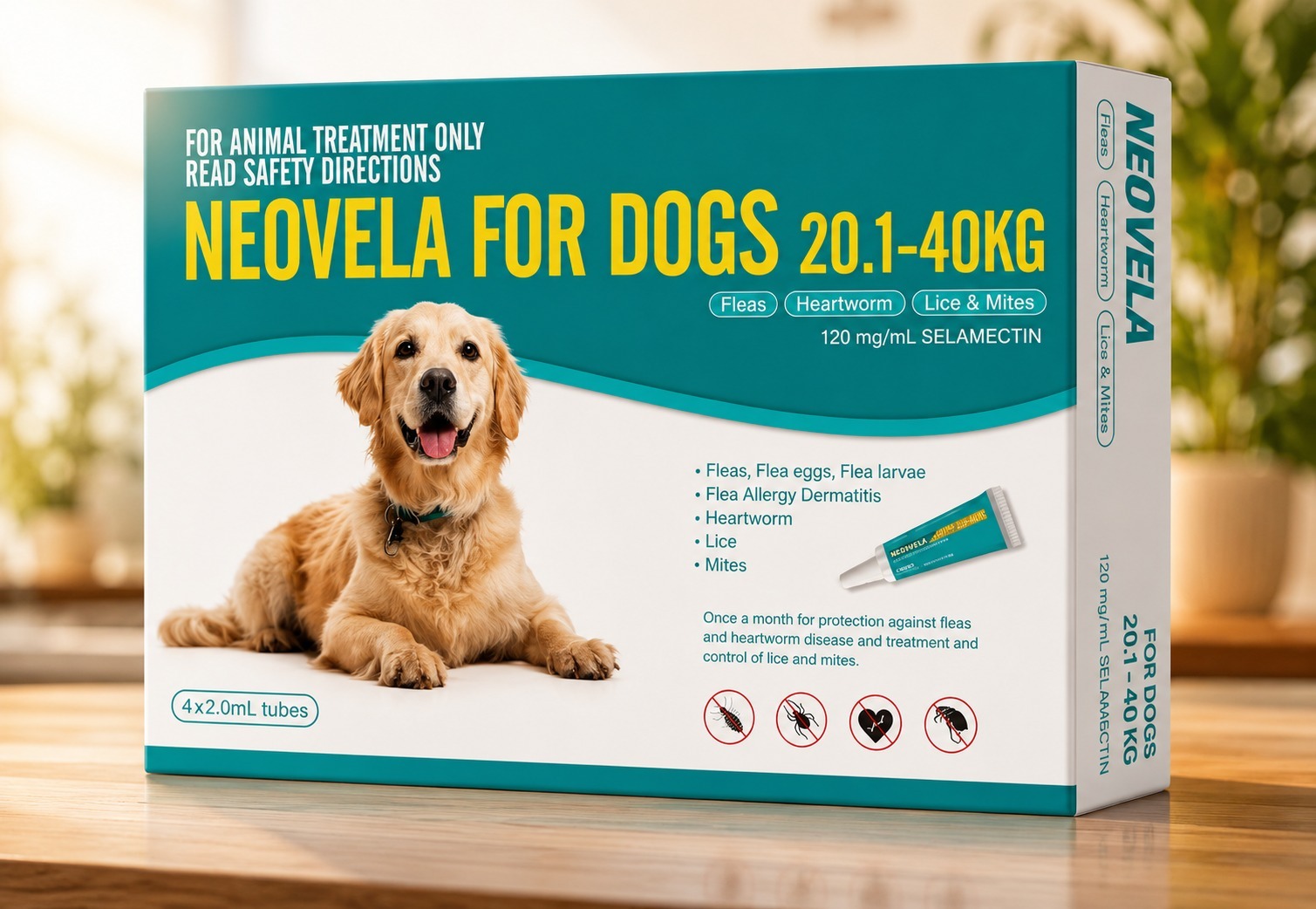
Parasite prevention remains essential at every life stage and should never be deprioritised simply because a dog has grown older. Products like Neovela for Dogs are part of the broader preventive care toolkit that attentive owners use to protect their dogs regardless of age, ensuring senior pets remain protected from fleas, heartworm, and other parasites without interruption. Maintaining consistent preventive care in the senior years is one of the simplest and most effective ways to protect a dog’s overall health and comfort.
Insurance products tailored to older dogs are also evolving, with some providers now offering senior-specific policies that acknowledge the different risk profile and care requirements of this age group. While coverage for pre-existing conditions remains a challenge across the industry, the availability of wellness plans and routine care coverage has improved substantially.
The Emotional Dimension
Owners of senior dogs frequently describe a unique depth to the relationship that is difficult to articulate but immediately recognisable to those who have experienced it. There is a mutual understanding that develops between a person and an older dog — a quieter companionship rooted in trust, familiarity, and presence. Many owners find this more meaningful than the high-energy, sometimes chaotic bond of puppyhood. A senior dog, in many ways, meets you where you are.
That emotional depth also makes the later stages of ownership particularly tender and, at times, difficult. Grief support resources have expanded considerably for owners navigating end-of-life care, acknowledging the profound loss that comes with saying goodbye to a long-term companion. Pet loss counselling, online communities, and veterinary palliative care services have all grown to meet this need with the seriousness it deserves.
A Better Future for Older Dogs
The momentum behind senior dog advocacy shows no signs of slowing. As noted by the ASPCA, older pets make deeply rewarding companions, and adopting one is among the most impactful choices a prospective owner can make. Shelters that have introduced senior-specific adoption programmes report strong interest and high satisfaction among adopters, many of whom return specifically for another older dog after their first experience.
The industry’s growing investment in this life stage means that senior dogs today have access to better care, better products, and better outcomes than any previous generation. For the dogs waiting patiently in shelters and the owners ready to welcome them, the timing has never been better.

At Engrnewswire, we are passionate about helping brands grow through smart SEO, GEO, and AEO strategies, supported by High-quality backlinks. With over 2k+ contributor accounts worldwide. We ensure your content reaches the right audience while building lasting authority.