
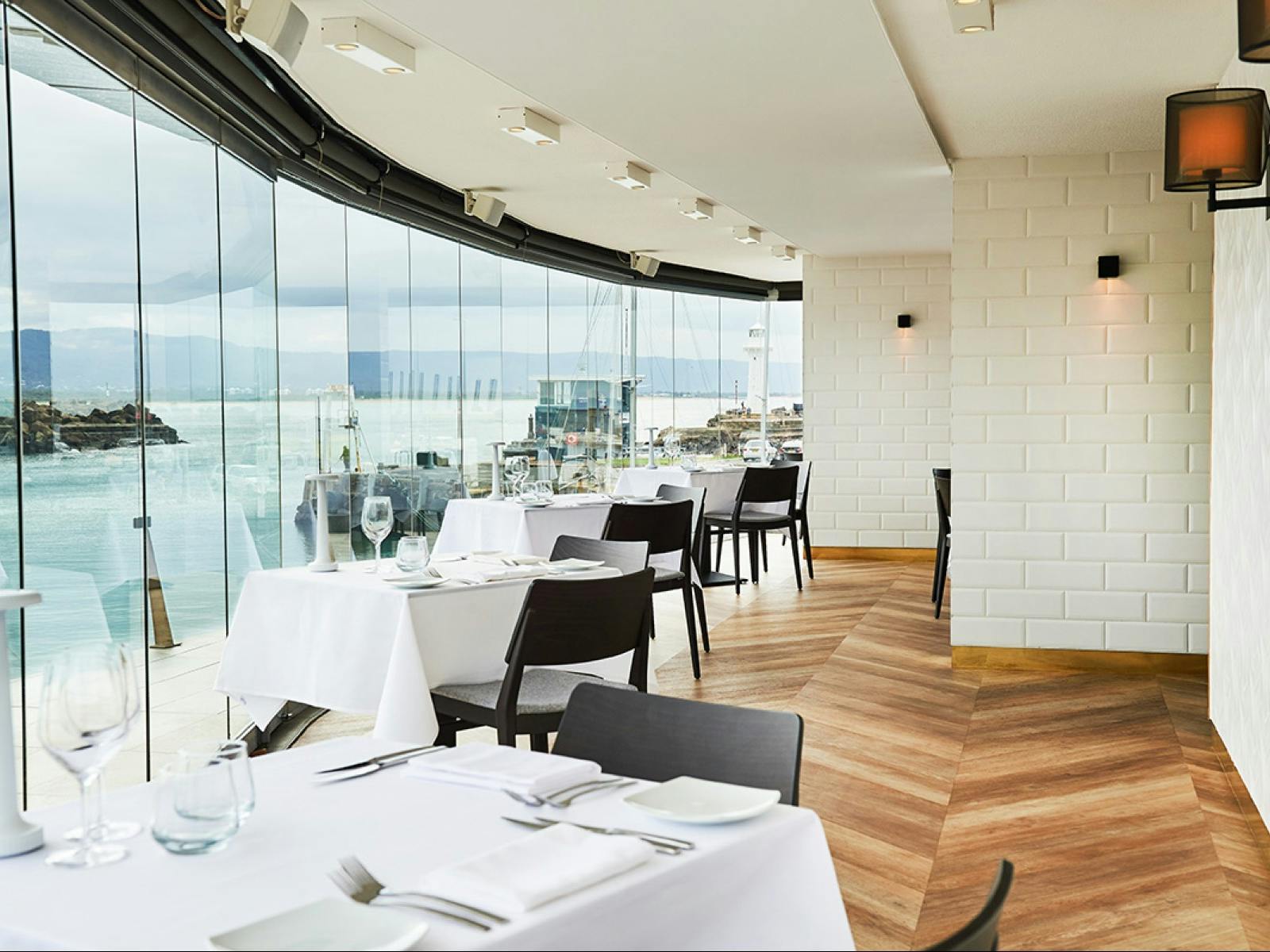
Opening or refurbishing a restaurant is one of the more complex commercial undertakings a business owner can embark upon, and the fitout process sits at the centre of that complexity. The physical environment of a restaurant does more than provide a space for people to eat; it shapes the customer experience, influences operational efficiency, and communicates the character of the brand before a single dish reaches the table.
Wollongong’s growing dining scene has seen significant investment in hospitality venues over recent years, and the expectations of diners in the city and surrounding areas have risen accordingly. A fitout that was considered adequate a decade ago may now feel dated, and new venues entering the market face the challenge of creating spaces that stand out in an increasingly competitive environment.
The scope and complexity of a restaurant fitout
Working with experienced specialists in restaurant fitouts Wollongong provides access to builders who understand the specific requirements of commercial kitchen construction, front-of-house design, and the regulatory environment that governs hospitality venues in the Illawarra region. This specialist knowledge reduces the risk of costly delays, compliance failures, or design decisions that create operational problems once the venue is trading.
A full restaurant fitout encompasses an enormous range of trades and disciplines, including construction, electrical, plumbing, mechanical ventilation, refrigeration, commercial kitchen installation, flooring, wall finishes, joinery, lighting design, acoustic treatment, and fit-out of amenities. Coordinating these disciplines within a compressed construction timeline, while managing a budget and satisfying council and regulatory requirements, demands a high level of project management competence.
The commercial kitchen is typically the most complex and expensive component of a restaurant fitout. Food safety regulations dictate specific requirements for surfaces, drainage, ventilation, and equipment placement that must be incorporated into the design from the outset. Attempting to retrofit compliance requirements after construction has begun is both difficult and expensive, making early engagement with a builder who understands commercial kitchen specifications essential.
Mechanical ventilation deserves particular attention in any restaurant fitout. Inadequate exhaust capacity creates heat, odour, and air quality problems that affect both kitchen staff and dining customers. Australian standards set specific requirements for commercial kitchen ventilation, and these requirements interact with the broader building envelope, neighbouring tenancies, and the physical constraints of the specific site in ways that require experienced engineering input.
Council approvals and compliance requirements
Council Development Approval is required for most significant restaurant fitouts, particularly where the use of premises is changing, structural modifications are being made, or the proposed venue capacity differs from the previous approved use. The approval process involves submitting detailed plans, specifications, and supporting documentation, and timelines can range from several weeks to several months depending on the complexity of the proposal.
Food premises registration with the relevant local council is a separate requirement that must be addressed before any food business can begin trading. The registration process involves an inspection of the premises to verify that the fitout meets the requirements of the Food Standards Code, including standards for surface materials, temperature control equipment, handwashing facilities, and pest exclusion measures built into the construction.
Building Code of Australia compliance, fire safety requirements, and accessibility provisions under the Disability Discrimination Act are all dimensions of the regulatory environment that a competent fitout builder will navigate on the client’s behalf. Familiarity with the relevant standards and a track record of successful inspections and approvals is a critical quality indicator when selecting a fitout partner for a hospitality project.
Design choices that shape the dining experience
The layout of a dining room has direct consequences for operational efficiency, revenue generation, and customer comfort. Seating density, table configurations, circulation pathways, sight lines to the kitchen, and the placement of service stations all affect how smoothly a venue operates during a busy service. Experienced fitout designers approach layout decisions with an operational lens as well as an aesthetic one, balancing maximum covers with the quality of the dining experience.
Acoustics are among the most frequently underestimated design considerations in restaurant fitouts. Hard surfaces including polished concrete floors, exposed brick walls, and glass create reverberant environments where conversation at normal volume becomes difficult, forcing diners to raise their voices and creating a noise spiral that diminishes the experience for everyone. Acoustic treatments integrated into ceilings, walls, and soft furnishings can dramatically improve the comfort and ambience of a dining space.
Effective branding and marketing are as important to a new venue’s success as the physical fitout. In today’s market, a restaurant’s online presence is often the first touchpoint with potential customers, and investing in quality DIY website design tools or professional web development alongside the physical fitout ensures that when the venue opens, customers can find it, understand its offer, and make a booking easily. The physical and digital dimensions of a new restaurant need to develop in parallel rather than in sequence.
Lighting design significantly influences the atmosphere of a dining space and the way food is presented on the table. Layered lighting that combines ambient, task, and accent sources gives operators the flexibility to adjust the mood from a relaxed lunch service to an intimate evening atmosphere. Lighting specified and installed during the fitout is far more effective and cost-efficient than attempting to add supplementary lighting systems after opening.
Managing budget and timeline effectively
Restaurant fitouts are consistently more expensive and more time-consuming than first-time operators expect. Preliminary budget estimates based on simple per-square-metre rates rarely account for the specific complexity of commercial kitchen requirements, the cost of compliance-related work, or the unexpected conditions that commonly emerge once construction is underway in an existing tenancy.
Engaging a builder with a fixed-price contract model provides greater cost certainty and places the risk of cost overruns on the contractor rather than the client. However, fixed-price contracts require detailed documentation of the scope before signing, as variations introduced during the project will generate additional charges. Investing time in thorough planning and specification upfront reduces the likelihood of scope creep and budget surprises.
For hospitality operators planning a fitout in Wollongong, early engagement with an experienced builder, thorough attention to the regulatory requirements, and realistic planning around budget and timeline are the three factors most strongly associated with a successful outcome. The right fitout partner will guide clients through each phase of the process, bringing the technical expertise and project management discipline that complex hospitality construction demands.

At Engrnewswire, we are passionate about helping brands grow through smart SEO, GEO, and AEO strategies, supported by High-quality backlinks. With over 2k+ contributor accounts worldwide. We ensure your content reaches the right audience while building lasting authority.