
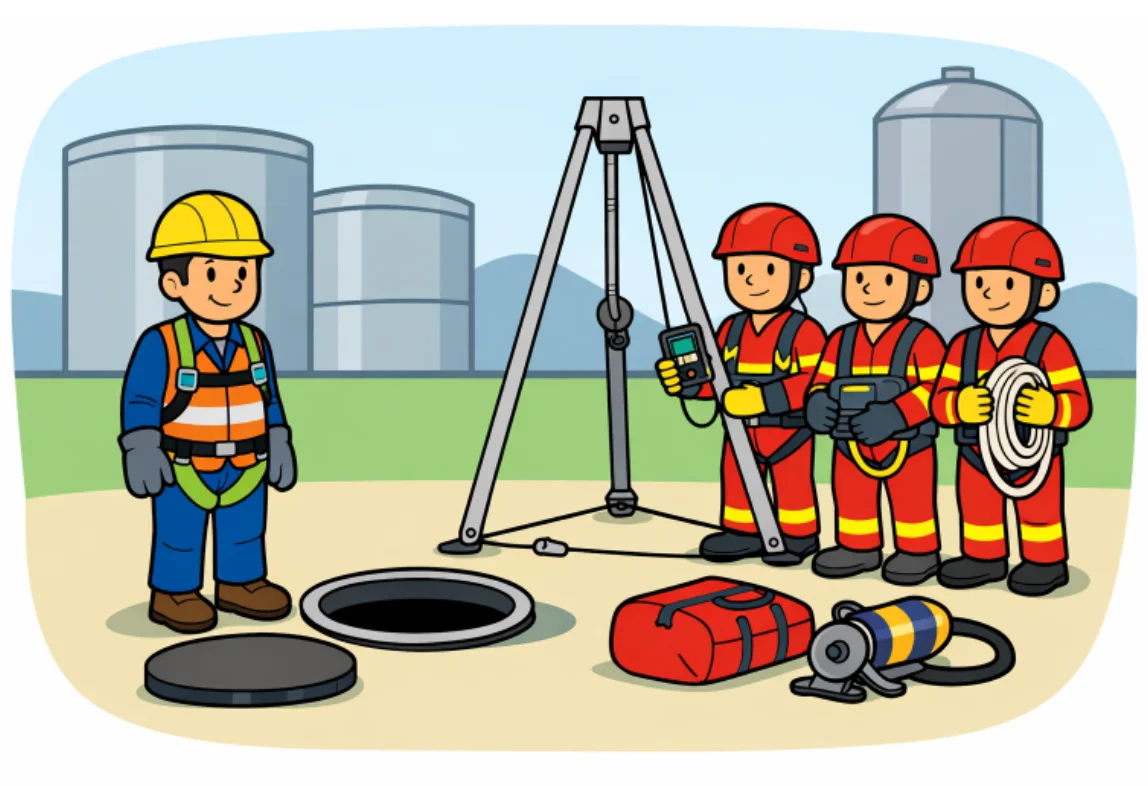
Working in confined spaces involves unique challenges that significantly increase risks to workers. These environments, such as tanks, silos, and manholes, typically feature limited entry and exit points and are not designed for regular occupancy, which can make implementing confined space rescue equipment and protocols a necessity. Understanding the intricacies and potential hazards of confined spaces is crucial for developing emergency strategies that protect every worker’s health and safety.
A comprehensive rescue plan is not only a regulatory requirement but also an ethical responsibility. Meticulous preparation, specialized equipment, and well-trained personnel are fundamental to ensuring that each confined space operation concludes without injury or loss. Each element, from risk assessment to drills and equipment maintenance, plays a vital role in minimizing danger and improving emergency response outcomes.
Identifying, mitigating, and preparing for hazards within confined spaces must be a top priority for any organization. Taking preventative steps not only aligns with industry safety standards but also creates a culture of vigilance and accountability. In addition, ensuring worker safety positively impacts productivity and morale across the workforce.
Organizations that regularly review and reinforce their rescue plans are more likely to reduce the frequency and severity of incidents. Staying current with industry best practices, such as those published by government agencies and major safety organizations, also helps maintain effective safeguards.
Understanding Confined Spaces
Confined spaces are defined by their restricted means of entry or exit and by their not being intended for continuous human occupancy. Typical examples include pipelines, manholes, storage bins, and reaction vessels. The inherent dangers of these spaces stem from limited airflow, poor visibility, and the potential presence of harmful substances.
Identifying the unique risks within each confined space is the first and most important step toward effective risk management. These spaces may contain hazardous atmospheres such as toxic fumes or oxygen-deficient air and could harbor physical hazards like machinery, engulfment, and structural constraints. A thorough assessment is needed before any entry to align with safety regulations and to set the stage for an appropriate rescue strategy. For further reading on confined space hazards and preventive measures, OSHA provides comprehensive guidance at OSHA Confined Spaces.
Developing a Rescue Plan
Every effective rescue plan should be custom-tailored to the conditions and hazards of the specific confined space. A strong plan addresses the potential for exposure to toxic gases, oxygen deficiency, and physical dangers like slips, falls, or entrapment. The essential components of a rescue plan include:
- Hazard Identification: Careful evaluation of the confined space to identify all risks and hazardous materials.
- Step-by-Step Rescue Procedures: Clear instructions for handling different emergencies, including how to stabilize, extricate, and provide first aid to affected personnel.
- Defined Roles and Responsibilities: Assignment of every team member’s duties, making sure that tasks are clear, communication lines are established, and response times are minimized.
According to industry standards, it is critical to differentiate between time-sensitive rescues, such as oxygen-deficient emergencies, and non-time-sensitive rescues for effective response. Resources like the American Society of Safety Professionals’ steps for confined space rescue can further guide your planning process.
Conducting Rescue Drills
Routine rescue drills are essential for reinforcing the skills and coordination of the rescue team. These drills aim to:
- Validate the effectiveness and practicality of the current rescue plan.
- Highlight opportunities for procedural improvements.
- Ensure every team member can confidently fulfill their designated responsibilities.
Frequent practice under simulated emergency conditions builds team confidence and ensures rapid and organized responses when real incidents occur. According to Safety+Health Magazine, well-executed drills are a cornerstone of workplace safety and readiness.
Equipping Rescue Teams
Possessing the correct and well-maintained rescue equipment is the backbone of any confined space rescue operation. Rescue teams need access to gear such as:
- Full Body Harnesses: For safe lifting and extraction of workers from challenging environments.
- Respiratory Protection: To guard against inhalation hazards like toxic gases and low-oxygen conditions.
- Communication Devices: To facilitate precise instructions and coordination during emergencies.
Regular inspections and maintenance schedules for all equipment are as important as having access to the equipment itself. Faulty gear can jeopardize the safety of both the rescue team and those in need of rescue.
Monitoring and Ventilation
Continuous atmospheric monitoring is vital to identify threats such as hazardous gases or inadequate oxygen. Proper ventilation measures support safe air quality by:
- Maintaining a breathable environment for all workers.
- Preventing dangerous accumulations of toxic vapors.
- Reducing the potential for flammable atmospheres and explosions.
Firehouse Magazine emphasizes that constant air monitoring can significantly limit the chances of atmospheric injury in confined spaces. For more on this topic, visit Firehouse: Confined Space Rescue.
Training and Competency
All employees working in or around confined spaces require targeted training to develop hazard awareness, understand proper equipment usage, and know how to respond to emergencies. A complete training program should include:
- Strategies for recognizing and assessing hazards quickly.
- Correct use of personal protective equipment (PPE) and rescue gear.
- Familiarization with emergency response protocols and rescue techniques.
Frequent refresher training and performance assessments ensure personnel remain proficient and up-to-date with best practices, contributing to long-term team resilience and safety standards.
Legal and Regulatory Compliance
Compliance with Occupational Safety and Health Administration (OSHA) regulations is a non-negotiable aspect of confined space operations. Organizations must:
- Develop and maintain a thorough written confined space safety program.
- Provide all necessary rescue equipment and ensure consistent worker training.
- Keep comprehensive records of entries, incidents, and equipment inspections.
Regularly reviewing regulatory updates and best practices ensures that the safety plan adapts to new requirements and technological advancements.
Conclusion
Protecting lives in confined spaces hinges on a holistic approach combining hazard recognition, proactive planning, hands-on training, and regulatory compliance. When organizations join these elements, they build a foundation for continuous safety and readiness. By doing so, workplaces become safer and more resilient, allowing every worker to perform their duties in confidence, knowing robust rescue strategies stand ready for any emergency.

David Weber is an experienced writer specializing in a range of topics, delivering insightful and informative content for diverse audiences.