
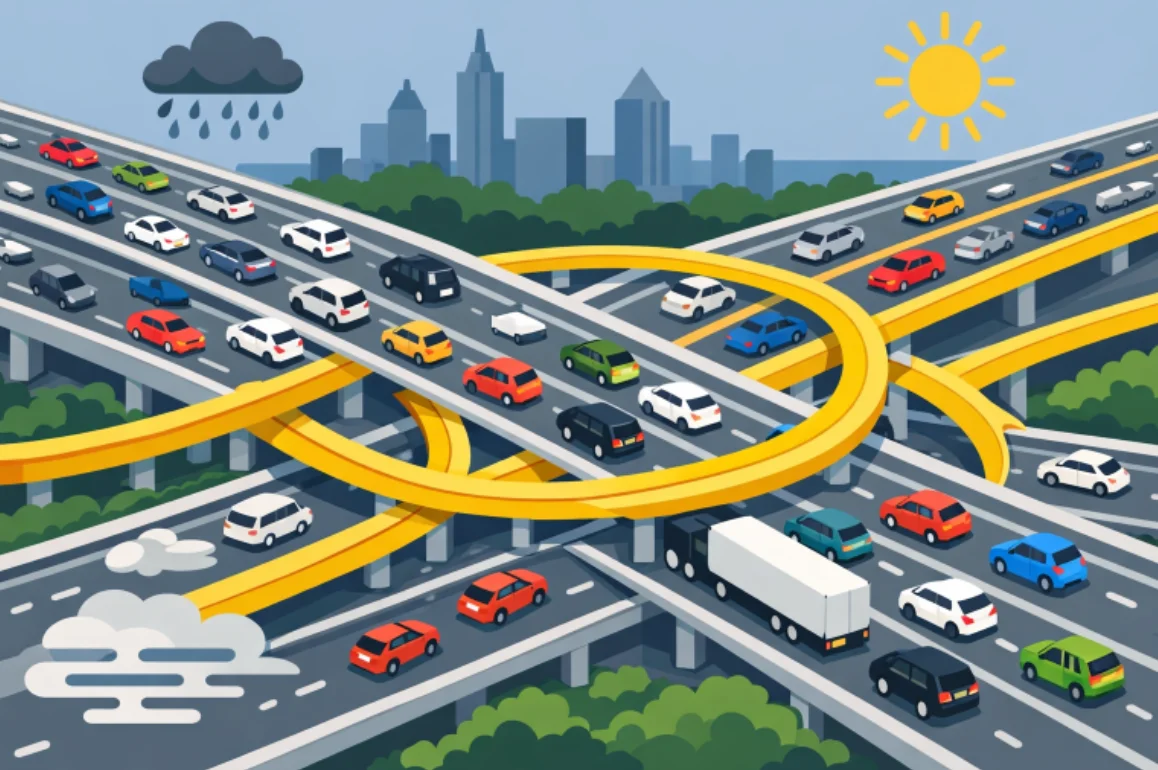
Atlanta’s roads are known for relentless traffic, a maze of interchanges, and shifting weather conditions that demand heightened attention from drivers. Whether you call the city home or are just passing through, being mindful of these factors can help protect you and those around you. If you are ever involved in a collision or need legal assistance after an auto incident, consulting an Atlanta car accident attorney can ensure your rights are protected while you navigate the aftermath.
Navigating Atlanta’s crowded highways and unpredictable weather can make every trip a challenge. Preparing in advance, understanding local traffic quirks, and knowing where to get help are critical to keeping yourself safe. With a proactive approach, drivers can minimize delays, avoid common hazards, and navigate even the most hectic situations on the road.
Many drivers are surprised by just how demanding Atlanta’s roadways can be. Knowing what to expect, from traffic standstills to rapid shifts in visibility, can ease your travels and reduce the risk of accidents. Alertness and preparation are key to navigating the city safely year-round.
Learning to adapt to sudden weather changes and utilizing technology that provides real-time information increases your ability to react wisely. Combine these strategies with a commitment to defensive driving, and you’ll handle Atlanta’s toughest commutes with greater confidence.
Understanding Atlanta Traffic Patterns
Atlanta frequently ranks among the most congested cities in the United States, according to Forbes Advisor research. Rush hour traffic peaks on weekdays from 6:30 a.m. to 9:30 a.m., as well as from 3:30 p.m. to 7:00 p.m. Major arteries like the Downtown Connector (I-75/85) and I-285 often experience extended delays, especially at intersections with highways and surface streets. Planning your departure and return trips outside these times helps avoid traffic snarls and reduces stress.
Navigating Complex Interchanges
Interchanges like the I-75/I-85 “Connector” and the I-285/GA-400 junction are notorious for confused drivers, sudden lane changes, and frequent fender-benders. Follow these essential tips to stay safe in Atlanta’s toughest interchanges:
- Use a GPS navigation system with lane guidance to anticipate required moves well in advance.
- Stay in your intended lane early, as last-minute maneuvers often lead to collisions or road rage incidents.
- If you miss your exit, proceed to the next safe one rather than cutting across multiple lanes unexpectedly.
Weather Conditions and Driving Safety
Atlanta’s weather is famously unpredictable. Pop-up thunderstorms, heavy rainfall, and dense fog are common and can cause sudden, severe reductions in visibility. In foggy or rainy conditions, the National Weather Service emphasizes slowing down, turning on your headlights, and increasing your following distance. Avoid using high beams in fog, as this can worsen glare. Learn more about best practices for foggy driving for tips that apply in all types of low-visibility environments.
Defensive Driving Techniques
The roads in Atlanta see a mix of cautious and aggressive drivers, along with frequent construction projects and sudden lane closures. Adopting a defensive mindset behind the wheel can make all the difference. Here are proven strategies:
- Maintain a safe following distance to buy yourself more time to react in an emergency.
- Stay alert for erratic or aggressive drivers, and give them as much space as possible.
- Anticipate sudden stops and check your mirrors frequently, especially in stop-and-go traffic.
Vehicle Maintenance for Safe Driving
Proper vehicle maintenance is non-negotiable for safety on Atlanta’s busy roadways. Being proactive about your car’s condition helps ensure you won’t be caught off guard by mechanical failure when traffic is at its worst. Key maintenance tips include:
- Test brakes regularly and address any signs of wear or reduced responsiveness immediately.
- Check tire pressure and tread depth, as smooth or under-inflated tires increase stopping distance, particularly on wet roads.
- Inspect and replace windshield wipers as needed, especially before the rainy season begins.
Handling Emergencies on the Road
If your vehicle breaks down on congested highways like I-75 or I-285, your priority should be to move safely to the shoulder or nearest emergency lane if possible. Turn on your hazard lights to alert other drivers, and stay inside your car with seat belts fastened while you wait for assistance. If traffic allows, setting up roadside flares behind your vehicle provides an additional level of warning to oncoming drivers. For more on what to do when stranded, visit GEICO’s roadside safety resource.
Staying Informed with Traffic Updates
Monitoring traffic alerts in real time helps you detour around delays and incidents before you get caught in a backup. Popular navigation apps like Waze and Google Maps aggregate live reports from other drivers, while local news radio stations regularly update listeners on the latest road closures and accident hotspots. Making a habit of checking these sources before your trip can save you significant time and frustration.
Conclusion
Staying safe behind the wheel in Atlanta takes more than just defensive driving skills. A combination of awareness, preparation, regular vehicle maintenance, and reliable route planning is essential in avoiding the pitfalls of the city’s famously complex roadways. Take these steps to heart and make every trip across Atlanta not just safer, but less stressful and more predictable.

David Weber is an experienced writer specializing in a range of topics, delivering insightful and informative content for diverse audiences.