
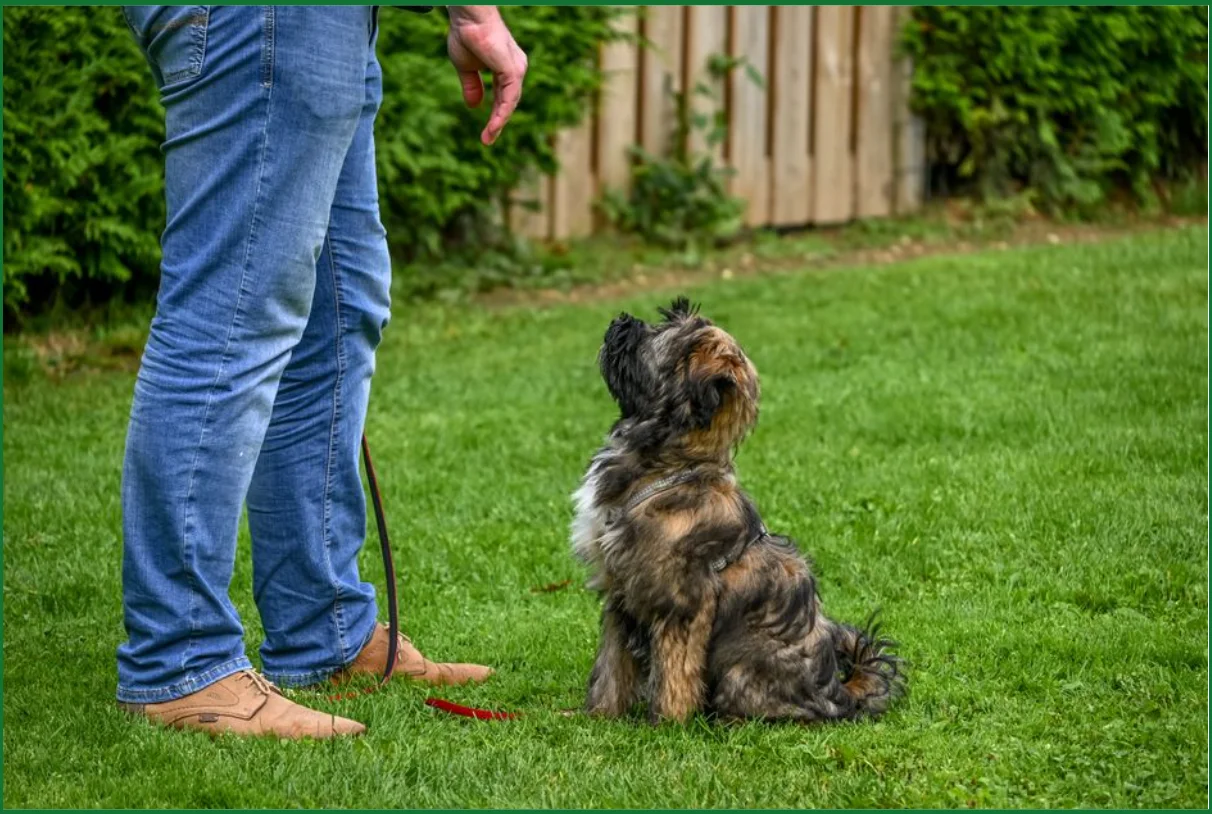
Life with a puppy is adorable, chaotic, and sometimes a little like living with a tiny furry tornado. One minute you’re laughing at a clumsy zoomie, and the next you’re wondering why your sock is missing. If you live in Los Angeles, the good news is that better behavior usually comes from simple habits, not fancy tricks. When you keep training clear, calm, and consistent, daily life gets easier for both you and your pup.
Start With Small Wins
When you first bring a puppy home, it’s easy to dream about the perfect dog who sits politely and never mistakes your shoe for a chew toy. Real life is messier than that. Training works better when you aim for small wins each day.
That could mean your puppy looks at you when you say their name. It could mean one successful potty trip outside. Tiny moments matter because they build trust and make learning feel safe instead of stressful.
If you’re looking for puppy training Los Angeles has many experienced trainers who can help you shape those early habits with methods that fit real home life. That support can be especially helpful if your puppy is energetic, shy, or a little too interested in chewing table legs.
Keep sessions short. One to five minutes is plenty. Use praise, treats, and a cheerful voice. You’re not trying to raise a robot. You’re teaching your puppy that listening to you is a pretty sweet deal.
Build A Daily Rhythm
Puppies love routine, even if they act like tiny agents of chaos. A basic daily rhythm helps your puppy understand what happens next, and that lowers stress in a big way. It also helps you spot patterns before accidents or meltdowns happen.
Try to keep meals at similar times each day. Follow eating with a potty break. Add short play sessions, nap time, and another potty trip. Puppies usually need more sleep than people expect, and an overtired puppy often turns into a bitey little comedian with terrible timing.
A routine doesn’t need to be strict enough to scare a clock. It just needs to be predictable. When your puppy starts to expect rest, food, and outdoor breaks, you’ll often see fewer accidents and less frantic behavior.
This is also helpful for busy homes. Kids, work calls, and errands can make the day feel scattered. A simple rhythm gives your puppy a sense of structure, even when the rest of life is doing cartwheels.
Teach The Big Three
You don’t need a long list of commands at the start. A few basics can make everyday life much smoother. The big three are usually name response, sit, and come when called.
Start with name response. Say your puppy’s name in a happy voice. When they look at you, reward right away. That simple habit builds attention, which is the first brick in the training wall.
Next, teach sit. Hold a treat just above your puppy’s nose and move it back slowly. Their bottom will often drop naturally. The second it does, reward them. Sit is useful before meals, at the door, and anytime excitement starts bubbling over.
Then work on coming when called. Back up a few steps, say “come,” and reward your puppy when they reach you. Make it feel like winning the lottery. If coming to you always leads to fun, your puppy will be much more likely to choose you over a random leaf or suspicious-looking sneaker.
Set Up Your Space
Training gets much easier when your home is arranged for success. Puppies explore with their mouths, paws, and very questionable judgment. If the environment invites mistakes, they’ll probably accept that invitation.
Use baby gates to block off rooms that are hard to supervise. Keep shoes, cords, and laundry out of reach. A crate or playpen can give your puppy a safe space to rest when you can’t watch every move.
Chew toys help a lot, but variety matters. Some puppies like rubber toys. Others want something soft, bumpy, or cold from the fridge. You may need to test a few options before finding the true toy champion.
Good setup also helps with potty training. If your puppy has too much freedom too soon, accidents become more likely. Smaller spaces are easier to manage and easier for your puppy to understand. Think of it as setting the stage for good choices instead of waiting to say “no” all day.
Handle Biting Calmly
Puppy biting is normal, even though it can feel personal when your ankle becomes the main event. Most puppies nip because they’re teething, excited, tired, or still learning how to play politely.
The key is to stay calm. If you shout, wave your hands, or turn it into a wrestling match, your puppy may think the game just got more exciting. Instead, redirect them to a toy right away.
If the biting keeps going, pause play for a short moment. Stand up, step away, and give your puppy a chance to reset. This teaches that rough play makes fun stop, while calm play keeps it going.
Also watch the timing. A lot of nipping shows up when puppies are overtired or overstimulated. If your pup suddenly turns into a tiny land shark, they may need a nap more than a lecture. Honestly, some puppies are just one missed rest away from complete noodle-brain behavior.
Make Social Time Count
Socialization is not about meeting every dog in the neighborhood by Friday. It’s about helping your puppy feel safe around the world. That means gentle exposure, not overwhelming chaos.
Let your puppy experience everyday sounds like the vacuum, traffic, doorbells, and kids playing outside. Introduce different surfaces such as grass, tile, wood floors, and sidewalks. Meet calm people of different ages and appearances.
If your puppy meets other dogs, choose stable and friendly ones. One good interaction is worth more than five wild ones. Too much excitement can leave a puppy confused or nervous instead of confident.
Pay attention to body language. If your puppy seems tense, freezes, hides, or backs away, slow down. Socialization should stretch comfort a little, not snap it in half. When handled well, these early experiences help your puppy grow into a dog who can handle new situations without acting like the mailbox is a dragon.
Keep Progress Realistic
Puppy training is rarely a straight line. Some days your pup will seem brilliant. The next day they may forget everything except how to sprint away with a paper towel. That’s normal.
What matters most is consistency. Keep practicing the same simple habits. Reward the behavior you want. Prevent the behavior you don’t. Try not to treat every mistake like a major disaster.
It also helps to notice progress that isn’t flashy. Maybe your puppy settles faster after play. Maybe they wait a second longer at the door. Those small changes are signs that your work is sticking.
And if things feel harder than expected, getting help is a smart move, not a failure. Some puppies need extra support, and some owners just want a clearer plan. Either way, training is less about perfection and more about building a daily life that feels calmer, safer, and a lot more fun for everyone in the house.

David Weber is an experienced writer specializing in a range of topics, delivering insightful and informative content for diverse audiences.