
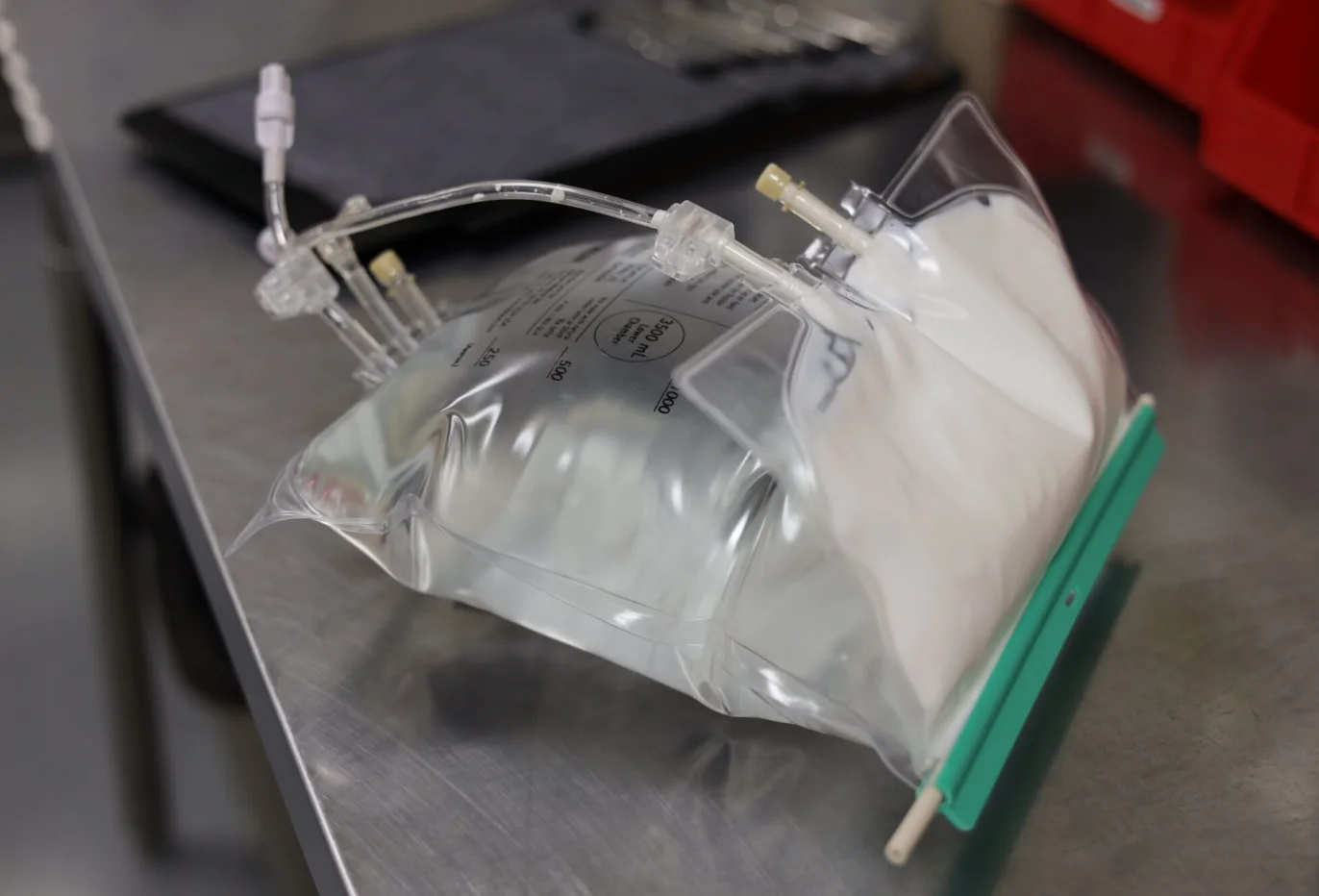
Introduction to Total Parenteral Nutrition
Total Parenteral Nutrition (TPN) is a vital medical therapy for individuals who, due to various medical conditions, cannot meet their nutritional needs through normal eating or enteral feeding. It involves delivering nutrients directly into the bloodstream, bypassing the digestive tract, and ensuring adequate nutrition for patients with severe gastrointestinal disorders, extensive surgery, or chronic illnesses requiring long-term nutritional support.
For both healthcare professionals and patients, understanding how a TPN bag works is crucial. Nutrishare, a leading provider of parenteral nutrition services, has developed a comprehensive guide on this topic. Their authority is rooted in decades of specialization in TPN therapies for both adults and children across the United States. Nutrishare’s in-depth resources clarify how TPN bags deliver nutrition safely and efficiently, and they support patients from initial setup through lifelong management, particularly in home and hospital settings. The information available at the linked Nutrishare guide demystifies what goes into these bags and why precision and quality are fundamental to patient safety and recovery.
Components of TPN Bags
Each TPN bag is a carefully engineered mixture of nutrients, designed to sustain the patient without any food intake. The core components include:
- Amino acids: These are the fundamental building blocks of protein, supporting tissue repair, muscle maintenance, and overall growth, which are critical for patients undergoing recovery or experiencing chronic illness.
- Lipid emulsions: Fats in specialized emulsions provide essential fatty acids and a concentrated source of calories, both necessary for energy and cellular health.
- Dextrose: A form of sugar that supplies most of the energy needs, aiding in metabolic processes and preventing muscle breakdown.
- Electrolytes, vitamins, and trace elements: These micronutrients maintain vital biochemical functions, fluid balance, nerve conduction, and immune responses.
- Water: The entire mixture uses sterile water as the base, ensuring proper hydration and nutrient solubility.
Every patient’s nutritional plan is customized to account for age, weight, diagnosis, metabolic needs, and emerging clinical lab results. As a result, TPN therapy offers highly individualized care that can address even the most complex nutritional deficiencies.
Administration of TPN
The process of safely delivering TPN requires meticulous technique and sterile practice to reduce the risk of infection and complications. TPN is most often infused through a central venous catheter, which provides direct access to the bloodstream and allows concentrated nutrients to be delivered efficiently. The procedure usually follows these steps:
- Catheter insertion: A trained clinician inserts a central line (often into the chest or arm) under sterile conditions, minimizing infection risk.
- Connection and priming: The TPN solution is connected to the catheter using specialized tubing, ensuring all air is removed, and the line is properly primed to prevent emboli.
- Infusion timing: TPN is commonly administered over 10 to 12 hours, allowing the patient to receive nutrients gradually, often overnight for convenience and metabolic safety.
Strict adherence to protocol is essential, as improper handling can lead to life-threatening vascular infections or metabolic disturbances. Comprehensive instruction is provided to patients and caregivers who manage TPN at home, further reinforcing safe administration.
Monitoring and Managing Complications
Continuous and vigilant monitoring is key to successful TPN therapy. Health professionals routinely check for potential difficulties through:
- Laboratory tests: Frequent blood panels assess electrolyte levels, liver and kidney function, and blood glucose, enabling real-time adjustments to the nutrient mix.
- Physical assessments: Regular tracking of body weight and fluid balance helps detect dehydration or fluid overload early, both of which can be serious if left untreated.
- Site inspection: Daily examination of the catheter entry site helps prevent infection, inflammation, or clot formation, all common risks with central lines.
The most significant complications related to TPN include bacterial or fungal infections due to the intravenous line, liver dysfunction from chronic use, and metabolic imbalances like electrolyte disturbances or hyperglycemia. Prompt detection and skilled management of these complications protect patient well-being and keep therapy effective. For additional information on potential TPN complications and their management, Mayo Clinic offers an extensive resource.
Advancements in TPN Technology
Over the past decade, TPN technology has advanced significantly, making treatment safer and more effective. Multichamber bags now enable ingredient separation until the point of use, reducing nutrient incompatibility and microbial contamination risks. This innovation extends shelf life and improves convenience for both hospitals and home users. Artificial intelligence and advanced compounding software have transformed how formulas are created, allowing for precision in adjusting TPN mixtures based on extensive patient data. These developments have increased the personalization of therapy, resulting in improved outcomes and fewer complications for those dependent on long-term intravenous nutrition.
Ongoing research and technological support continually improve best practices and raise the standard of care. Professional organizations and nutrition support teams also play a vital role in adopting and disseminating these new approaches.
Patient Perspectives on TPN
For patients, adapting to life with TPN can present initial emotional and practical challenges. However, with education, peer support, and continued contact with expert care teams, many achieve a high quality of life. Comprehensive patient education focuses on understanding the reasoning behind each component and step in administration, encouraging adherence and empowering self-care. Reliable support networks and collaboration with nutrition specialists often improve overall satisfaction and confidence throughout therapy.
Community forums, advocacy groups, and specialized providers like Nutrishare help patients connect, share experiences, and troubleshoot common issues, ensuring a holistic, supportive approach to long-term success with TPN.
Conclusion
The intricate science behind TPN bags is central to their role in modern medicine. By understanding the composition, administration essentials, and trendsetting technological advances, patients and providers can work together to achieve the best possible nutritional outcomes. Continuous monitoring, rapid management of complications, and dedication to ongoing education are fundamental to success. TPN remains a cornerstone therapy for those with complex nutritional needs, providing hope and enhanced quality of life for individuals who need support the most.

David Weber is an experienced writer specializing in a range of topics, delivering insightful and informative content for diverse audiences.