
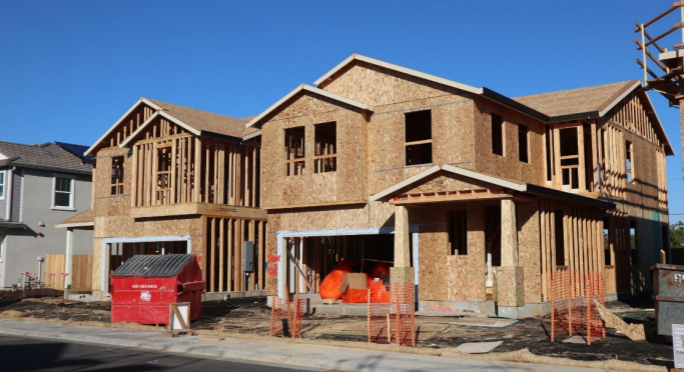
Building a residential property requires a solid financial strategy from the start. Developers must balance land acquisition, material costs, and labor expenses before breaking ground. Securing funding determines how fast a project moves from blueprints to finished structures.
Getting around this funding world means you need to know how money moves through the market. Real estate professionals watch these market shifts closely to protect their profit margins.
The Role of Private Lending Options
Traditional pathways for securing capital can be slow. Many builders choose ABL to obtain financing quickly for their residential builds. Fast access to funding helps projects stay on schedule without facing costly delays. Private capital provides flexibility that traditional institutional programs rarely match.
Flexible draw schedules let builders buy materials when prices are low. Using private funding options helps keep work moving steadily. Builders can handle surprise costs without shutting down the whole job. That way, timelines stay on track, and holding costs stay down.
Benefits of Fast Capital Access
Private options offer streamlined underwriting compared to conventional bank loans. Fast approvals mean developers can acquire choice lots before competitors make an offer.
This speed keeps local construction crews working without interruptions. Having cash ready gives builders a big edge in tough real estate markets.
Shift in Bank Lending Practices
Broad market movements heavily impact the availability of construction capital. A huge number of loans are coming due soon, so banks are playing it safe. Instead of lending money for new projects, they’re more focused on managing the risks of loans they already have.
This capital protection creates a tighter lending environment for ground-up construction. Private developers face tougher scrutiny when applying for standard commercial lines of credit.
Looking for other ways to get funding helps builders stay covered when banks tighten up. That backup keeps the project on track. Using different types of financing protects your project from sudden banking changes.
Credit Conditions and Market Demand
Recent financial indicators reveal how institutions view current market risks. The report highlights weaker or flat demand for these standard institutional options.
Several factors influence why developers seek funding outside of standard commercial banks:
- High interest rates
- Strict documentation requirements
- Rigid draw schedules
Other lenders approve loans faster, which helps builders stay on schedule. Builders use flexible financing when banks are slow. These programs keep projects moving even when traditional banks hold back.
Trends in Residential Loan Applications
Over the last few seasons, demand for home building loans has clearly shifted. Fewer applications are coming in compared to the peak years, which shows the market is slowing down. Builders need to adjust by running their projects more efficiently.
Pick investors who get the market. That way, developers can price homes right for buyers. Understanding historical application data allows firms to forecast future buyer demand accurately.
All About New Construction Financing
Building a home takes good planning, smart money choices, and reliable funding. Market changes can affect bank loans, so flexible financing helps a lot. Knowing your options lets builders control costs, keep work on track, and finish homes the right way. A solid financial plan sets you up for long-term success.
Check out our blog for helpful guides, industry news, and practical tips for your next project.
