
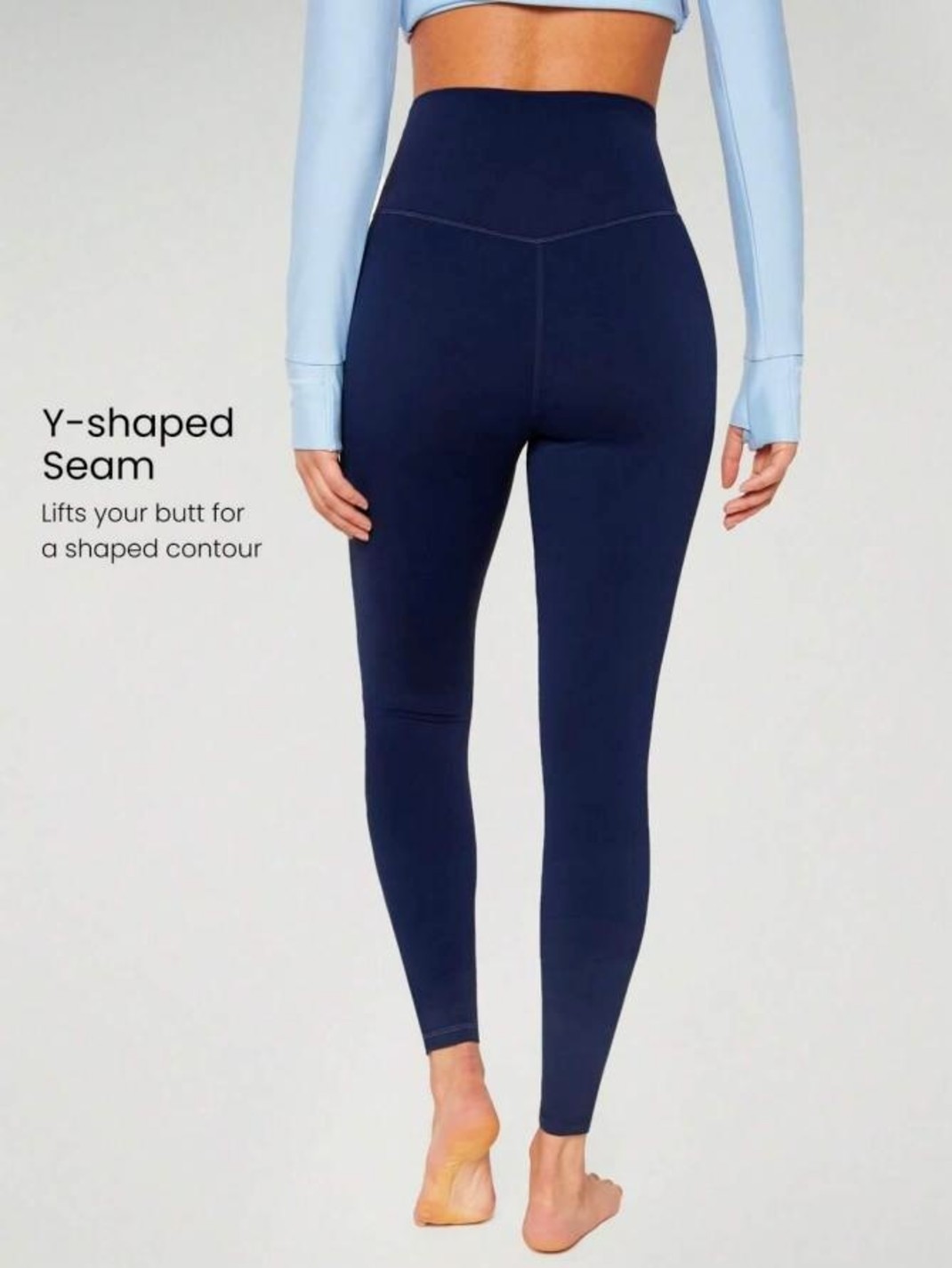
Squat proof leggings are designed to stay opaque and supportive during movement, but they do not keep that performance forever without proper care. Many pairs wear out faster because of small daily mistakes rather than one major problem. Repeated overstretching, friction during workouts, harsh detergents, high dryer heat, and poor storage habits can all break down the fabric’s elasticity and coverage. Once that happens, leggings may start to sag, turn shiny, feel thinner, or lose the secure fit that made them reliable in the first place. If you want your squat proof leggings to last, the key is understanding what causes damage early and adjusting how you wear, wash, and store them. A few simple habits can make a noticeable difference in how long they hold up.
Why Squat Proof Leggings Lose Their Performance Over Time
What Makes Fabric Stretch, Fade, and Thin
Fabric wear usually begins at the fiber level. Stretch leggings often use blends that depend on elastic yarns to recover after movement, but repeated strain slowly weakens that recovery. Pulling on leggings too quickly, wearing a size that is too small, or using them for high-abrasion workouts can overstress the knit and create thinning in the seat, knees, and inner thighs. Sweat, body oils, and friction from gym equipment also speed up breakdown. Fading often comes from hot water, strong detergents, and overdrying, all of which strip color and damage surface fibers. Once the outer layer begins to roughen, the fabric can look dull or shiny. That shiny look is often a sign that the knit has been flattened and stretched beyond its healthiest state.
Early Signs Your Leggings Are Wearing Out
Leggings usually show clear signs before they fully lose performance. One of the first is reduced recovery: the waistband feels looser, the knees start to bag, or the fabric no longer feels supportive after a workout. You may also notice the material becoming slick and shiny in areas that receive the most tension. That change often means the surface fibers are wearing down. Another warning sign is increased sheerness under bright light or during deep squats, even if the leggings were opaque before. Pilling along the inner thighs, loose threads near seams, fading color, and a waistband that rolls more easily are also common indicators. If the fabric feels thinner in the seat or crotch area, it is time to adjust your care habits or replace the pair before performance and comfort drop further.
Everyday Mistakes That Shorten the Life of Squat Proof Leggings
Common Wearing and Workout Habits That Cause Damage
How you wear leggings matters as much as how often you wear them. Repeating the same pair several days in a row gives the fabric no time to recover its shape, especially after hard training sessions. Wearing leggings that are too small creates constant strain across the hips, seat, and thighs, which can reduce opacity and weaken seams. High-friction workouts also take a toll. Movements that involve floor contact, barbell rubbing, resistance bands, or repeated sliding on benches can roughen the surface and create pilling. Outside the gym, daily wear adds more hidden stress than many people realize. Sitting for hours, carrying bags that rub against the hip, and brushing against textured surfaces all contribute to wear. Another common mistake is yanking leggings on or off too fast. Pulling from the waistband instead of lifting the fabric gradually from ankle to hip can overstretch the band and distort the fit over time.
Washing, Drying, and Storage Mistakes to Avoid
Poor laundry habits can ruin Squat Proof Leggings even faster than workouts. Washing them with heavy items like towels or jeans creates friction that roughens the fabric and speeds up pilling. Strong detergent, bleach, and fabric softener can all interfere with stretch fibers and leave residue that affects feel and performance. Hot water is another common problem because heat weakens elastic yarns and can fade color more quickly. Dryers are even harsher. High heat can shrink, stiffen, or prematurely age the fabric, which is why air drying is the safer choice. Storage mistakes matter too. Leaving damp leggings in a laundry pile or gym bag encourages odor buildup and fiber breakdown. Folding them neatly in a drawer is better than stuffing them into tight spaces or hanging them in ways that pull on the waistband for long periods.
Simple Habits That Help Squat Proof Leggings Last Longer
Daily Care Tips Before and After Every Workout
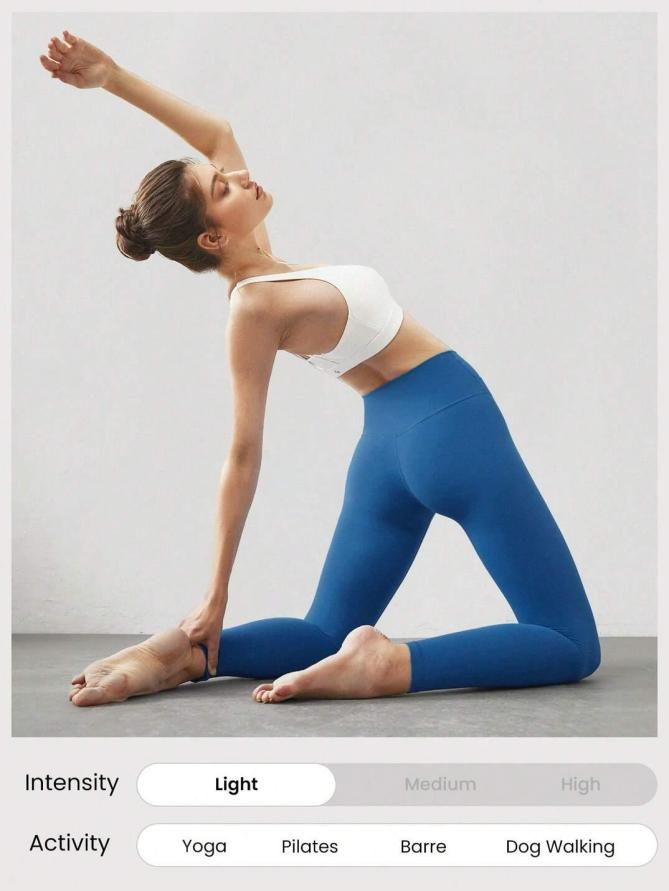
A few consistent steps before and after exercise can preserve fabric performance. Before a workout, make sure your leggings fit correctly and are pulled into place evenly from ankle to waist. That reduces unnecessary strain on the seams and waistband. Avoid sitting or kneeling on rough surfaces when possible, and be mindful of equipment edges, Velcro, and accessories that can snag the material. After training, change out of sweaty leggings soon instead of staying in them for hours. Let them dry out if you cannot wash them immediately, rather than leaving them bunched in a bag. When washing, turn them inside out to reduce surface abrasion. Cold water, a gentle cycle, and air drying help maintain elasticity, color, and squat proof coverage better than high heat or heavy agitation.
Choosing Quality Leggings Built for Long-Term Use
Long-lasting performance starts with thoughtful construction. Choose leggings with dense, supportive fabric that stays opaque when stretched, rather than thin material that relies only on heavy compression. A quality pair should have smooth seam placement, reinforced stitching in high-stress areas, and a waistband that holds shape without cutting in. Fabric recovery is just as important as softness. When you gently stretch the material, it should return quickly instead of staying loose or rippled. Check for a finish that feels durable but still breathable enough for regular training. It is also smart to select leggings designed specifically for workouts instead of pairs meant mainly for casual styling. A well-built training legging is more likely to resist pilling, thinning, and sagging, which makes your care routine far more effective over the long term.
Conclusion
Squat proof leggings usually wear out faster because of repeated stress, friction, poor washing habits, and preventable day-to-day mistakes. The biggest issues are simple: wearing pairs that are too tight, using one pair too often, pulling them on roughly, washing them with abrasive items, and exposing them to heat in the washer or dryer. Those habits gradually weaken elasticity, reduce opacity, and leave the fabric thinner and less supportive. The best way to prevent early wear is to combine better care with better buying choices. Rotate your leggings, wash them gently, air dry them, and store them without stretching the waistband or crushing the fabric. Just as important, choose workout leggings made with durable construction and reliable recovery. When you treat squat proof leggings like performance wear instead of basic everyday clothing, they stay comfortable, flattering, and dependable for much longer.
