
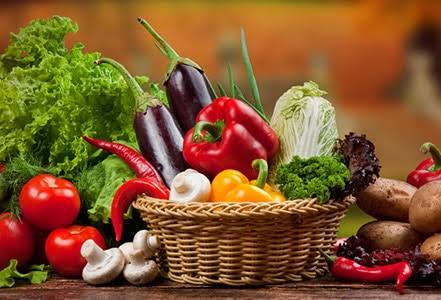
Stepping into your own backyard to harvest fresh produce for a meal provides a unique sense of accomplishment. Beyond the satisfaction of self-sufficiency, home gardening is a practical way to save money, eat more nutritiously, and connect deeply with the natural world. Homegrown vegetables often surpass store-bought varieties in both flavor and freshness because you have complete control over the growing conditions, including soil quality and the absence of harsh chemicals.
The Foundation of a Thriving Garden
The secret to a successful harvest begins long before the first seed is planted. Healthy, nutrient-rich soil is the essential foundation for any productive vegetable garden. Before you begin, it is vital to test your soil and incorporate organic matter or compost to improve its fertility. For those in specific urban environments, utilizing high-quality topsoil or specialized soil amendments can ensure your plants have the nitrogen and minerals they need to flourish.
Choosing the Right Location
Most vegetables require a sunny location, typically receiving six to eight hours of direct sunlight daily. Proper drainage is equally important to prevent waterlogged roots, which can lead to disease. If your backyard has compacted or rocky soil, consider using raised beds or deep containers to provide a loose environment for root expansion.
Top Beginner-Friendly Vegetables
Selecting the right crops can make the difference between a rewarding hobby and a frustrating endeavor. Certain vegetables are renowned for being high-yielding, low-maintenance, and incredibly resilient.
1. Leafy Greens
Lettuce, spinach, and kale are among the easiest and most productive vegetables for any home garden. These crops grow rapidly—some lettuce varieties can be harvested in as little as 30 days—and they thrive in cooler temperatures, making them perfect for spring and fall planting. By using the “cut and come again” method—snipping off only the outer leaves while leaving the center intact—you can enjoy a continuous supply of greens throughout the season.
2. Tomatoes: The Garden All-Star
No garden feels truly complete without tomatoes. They are versatile in the kitchen and come in countless varieties, from sweet cherry tomatoes to large beefsteak types. To ensure a strong plant, gardeners should plant tomatoes deeply—burying about two-thirds of the stem—to encourage a robust root system. Remember to provide sturdy stakes or cages to support the plants as they grow and produce heavy fruit.
3. Zucchini and Summer Squash
If you want a vegetable that practically grows itself, zucchini is the ideal choice. Known for its rapid growth and prolific yields, a single plant often provides more squash than one household can consume. These plants thrive in full sun and well-drained soil, and regular harvesting encourages them to keep producing until the first frost.
Root Vegetables and Vertical Success
Root vegetables like carrots and radishes offer a different kind of gardening joy. Radishes are the ultimate crop for the impatient gardener, with some varieties maturing in just 25 days. Carrots require loose, sandy soil to prevent misshapen roots, and thinning the seedlings early is a critical step to ensure each root has enough room to develop.
For those with limited space, climbing vegetables such as pole beans and cucumbers are excellent choices. Using a trellis or support system keeps the vines and fruit off the ground, which helps prevent disease and keeps the harvest clean. Green beans are particularly beneficial because they enrich the soil with nitrogen, making them great companion plants for other vegetables.
Maintenance and Watering Strategies
Consistent care is the key to maintaining a vibrant garden. Most vegetables prefer deep, infrequent watering—aiming for about an inch of water per week—rather than light, frequent sprinkles. This encourages roots to grow deeper into the soil, making the plants more resilient to heat. While advanced gardeners might experiment with an automatic siphon system for specialized hydroponic or ebb-and-flow setups, traditional soil-based gardeners can rely on mulching to retain moisture and suppress weeds.
Planning for the Future
To prevent soil depletion and pest build-up, it is essential to rotate your crops each year, ensuring that the same vegetable family is not planted in the same spot consecutively. By starting small, experimenting with different varieties, and providing consistent care, you can transform a modest patch of land into a productive “Garden Gold” that provides fresh, nutritious produce straight from your backyard.
