
Solar panels lower electricity costs by turning sunlight into usable power for your home, reducing how much energy you need to purchase from your utility. For many households, that can mean meaningful monthly savings and better protection against rising energy prices over time. The exact amount saved depends on a few practical factors, including your roof or installation conditions, local weather, electricity rates, and how much power your household uses each day. System design matters too. A well-sized setup can offset a large share of consumption, while the wrong panel choice may leave savings on the table. Understanding how solar savings work helps you estimate potential returns more accurately and choose panels that fit your energy goals, budget, and lifestyle.
How Solar Panels Help Lower Electricity Bills
How Solar Energy Replaces Grid Electricity
Solar panels generate direct current electricity when sunlight hits the cells. An inverter then converts that electricity into power your home can use. As your solar system produces energy, your household uses that solar electricity before pulling additional power from the grid. If your refrigerator, air conditioner, lights, or devices are running during solar production hours, the system offsets part of that demand immediately. Every kilowatt-hour generated by your panels is one less kilowatt-hour you may need to buy from your utility, which is the core reason solar lowers bills.
The Main Factors That Affect Your Savings
Your savings are shaped by production, consumption, and utility rules. Production depends on panel efficiency, system size, orientation, tilt, and whether trees, buildings, or debris create shade. Consumption matters because homes that use more electricity often have more room for savings, especially if usage happens during the day. Utility pricing also changes the value of each solar-generated kilowatt-hour. Higher local electricity rates generally make solar more financially attractive. In some areas, incentives, rebates, tax credits, or bill-credit programs can shorten payback time and improve total return.
What Determines How Much You Can Save?
Solar Panel Efficiency, System Size, and Sunlight
Efficiency affects how much electricity a panel can generate from the same amount of sunlight and available space. Higher-efficiency panels are especially useful when roof or installation area is limited. System size matters because larger systems can offset more of your annual electricity use, provided they are designed around your actual demand. Sunlight is equally critical. Homes in bright, open locations typically generate more energy than homes with frequent cloud cover or shading. Orientation and tilt also influence output, with well-positioned panels capturing more usable sunlight across the year.
Electricity Rates, Energy Usage, and Local Incentives
Your utility rate determines the value of every kilowatt-hour your system replaces. If you pay high rates, solar savings add up faster. Household energy usage matters too, because frequent air conditioning, heating support loads, appliances, and home office equipment can increase the amount of grid electricity available to offset. Local incentives strengthen the economics by lowering upfront cost or increasing the value of solar production. Depending on where you live, these may include tax credits, state rebates, property tax exemptions, or utility-based compensation for excess energy sent back to the grid.
How to Maximize Your Savings With the Right Solar Panels
Choose Solar Panels That Match Your Energy Needs
Start by matching panel type and system size to how and where you plan to use solar. A fixed home setup works well for households aiming to offset a large share of annual utility consumption. Portable panels are better suited for backup charging, RV use, camping, or supplementing energy needs in flexible locations. Check efficiency, weight, weather resistance, and connector compatibility before buying. If portability matters, a lighter foldable panel can make setup easier while still delivering useful output. The right match improves both convenience and long-term savings potential.
Portable and Home Backup Solar Solutions from Anker SOLIX
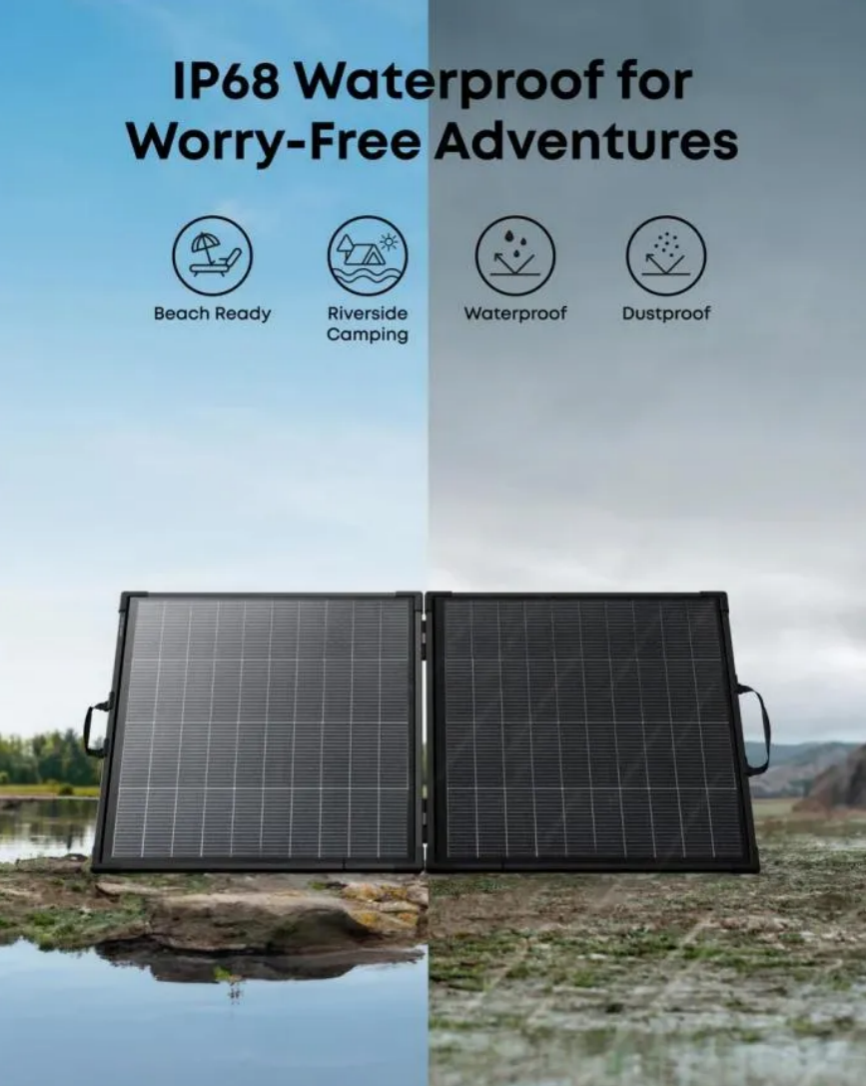
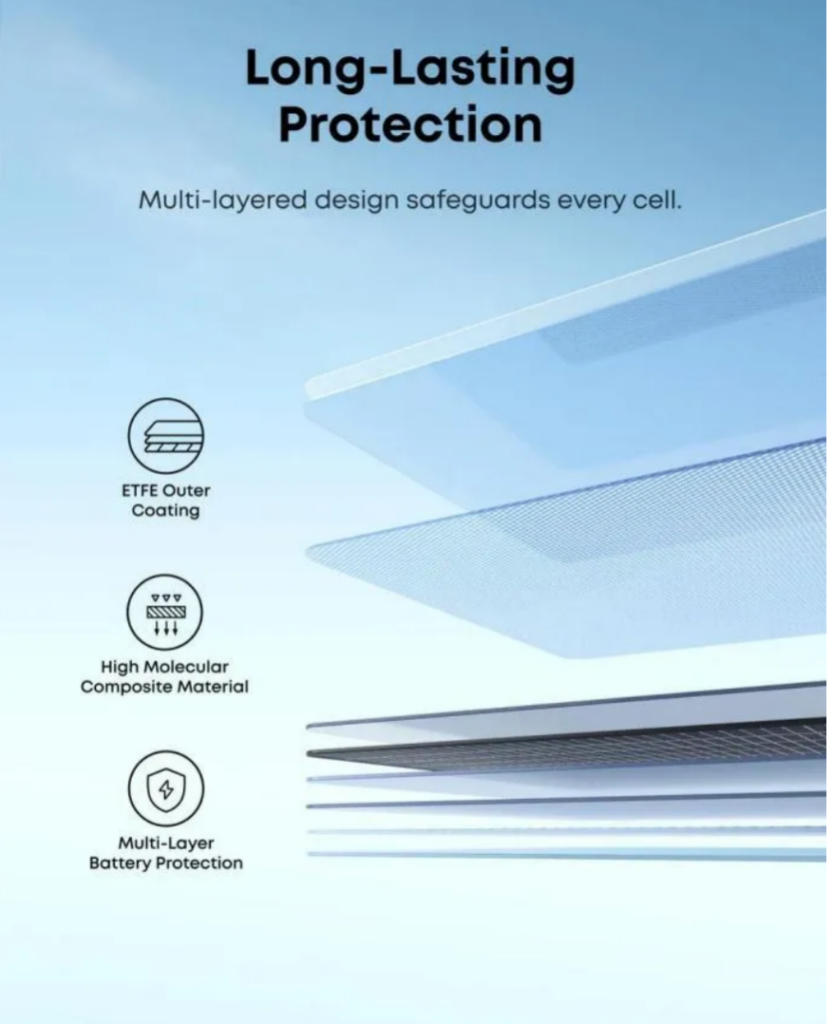
For users who want flexible solar generation for backup power or mobile energy needs, the Anker SOLIX PS200 Bifacial Portable solar panel offers a practical balance of output and portability. It is now 10% lighter than the previous version at just 11 lb including the stand, and more than 30% lighter than typical 200W panels. Its bifacial design can deliver up to 10% more power by collecting sunlight from both sides in reflective areas such as sand, snow, or concrete. With 25%+ conversion efficiency from next-gen N-type solar cells, it is built to minimize energy loss and perform better in high temperatures. A reinforced aluminium frame, impact-resistant construction, IP68 waterproof rating, 10-year lifespan, and 5-year warranty support long-term reliability.
Conclusion
Solar panels can lower energy bills significantly when they generate enough electricity to meet a property’s energy needs. By harnessing renewable energy from the sun, homeowners and businesses can reduce their dependence on the grid, protect themselves from rising utility costs, and decrease their carbon footprint. While the amount of savings depends on factors such as system size, local climate, electricity usage, and available incentives, a well-designed solar installation can provide substantial long-term financial benefits. Investing in quality equipment, professional installation, and regular maintenance ensures optimal performance and maximum return on investment. As energy prices continue to rise, solar power remains one of the most effective and sustainable ways to achieve greater energy independence while contributing to a cleaner future.
