
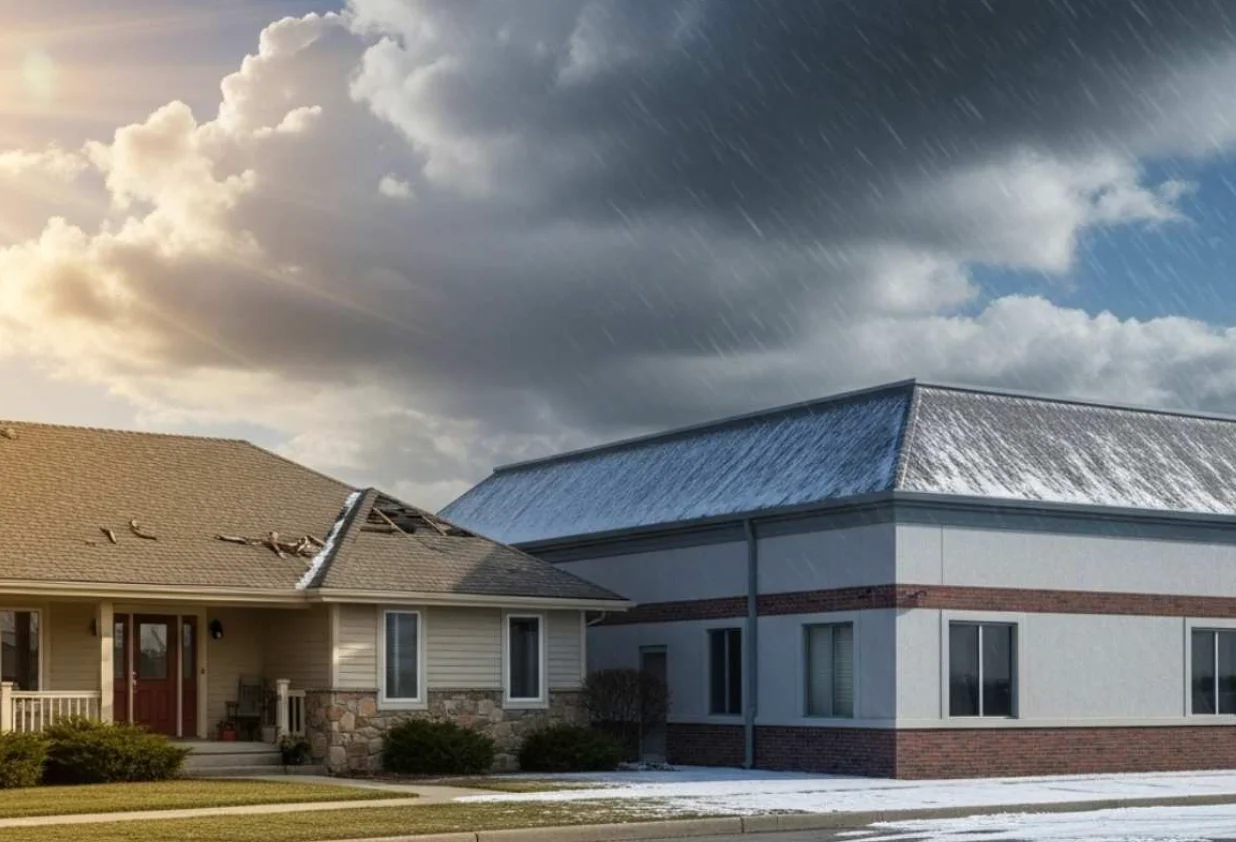
Your roof is your home’s first line of defense against the elements, but many homeowners do not realize how much the changing seasons can impact its longevity. From spring’s rainstorms to winter’s heavy snow, each season brings unique stressors that can weaken or damage various roofing systems. Addressing issues as soon as they arise is crucial, whether you need general shingle repair or specialized flat roof repair to maintain your investment’s value. Learning what to watch for and when to take action is key to avoiding costly surprises. Proactive maintenance and regular inspections are essential in extending your roof’s lifespan. The transition from one season to the next can expose hidden vulnerabilities or create new hazards that threaten your home’s safety and comfort. By understanding how the weather impacts your roof throughout the year, you can make informed decisions about care, repairs, and upgrades. Homeowners who stay ahead of seasonal wear and tear will experience fewer unexpected leaks, structural problems, or costly emergencies. Consider these insights as your guide to keeping your roof in prime condition, no matter what the forecast brings. Taking preventative actions seasonally and knowing when to call a professional can make all the difference. In this guide, you will learn exactly how each part of the year uniquely affects your roofing system and what steps you can take to protect your home across all four seasons.
Spring: The Season of Renewal and Hidden Damage
Spring might evoke feelings of new beginnings, but it can also reveal damage inflicted by winter’s harsh conditions. As snow and ice melt, excess water from rainstorms can find its way into small cracks or vulnerable areas that developed during the freeze. Leaks, stained ceilings, and mold growth are telltale signs that your roof needs attention. Early spring is the ideal time to check for missing or warped shingles, compromised flashing around chimneys and vents, and subtle signs of water damage. Acting quickly lets you address minor problems before heavy rains lead to more extensive, expensive repairs. Homeowners should also consider hiring a professional roofing inspector for a thorough assessment, especially after storms or if their roof is past its midpoint in its expected lifespan. Resources like the Forbes Home can offer insight into average lifespans for different materials and what to expect in future maintenance.
Heavy seasonal rain can also expose problems with the home’s drainage system. When gutters become clogged with leaves and debris, water may overflow near the roofline instead of being directed safely away from the structure. Regular gutter maintenance and, where appropriate, gutter guard installation can help keep debris from restricting water flow and reduce the chances of prolonged moisture affecting the roof edge, fascia, and surrounding materials.
Summer: Heat and UV Radiation Challenges
The summer season brings prolonged heatwaves and direct sunlight, which can accelerate the deterioration of your roofing materials. Shingles are particularly sensitive to extreme temperature fluctuations, expanding during the day and contracting at night, which can make them brittle or even crack over time. Ultraviolet (UV) rays accelerate this breakdown, increasing the likelihood that you will see granule loss, curled edges, or faded coloring. Proper attic ventilation is crucial during the hottest months. Ventilation helps dissipate trapped heat, preventing moisture buildup that could accelerate rotting or mold growth. Homeowners should also watch for soft spots on the roof, as these can indicate underlying water damage due to insufficient ventilation.
Fall: Debris Accumulation and Drainage Issues
As leaves and twigs begin to fall, they often collect on rooftops or in gutters. The buildup may seem harmless at first, but clogged gutters impede the flow of rainwater, leading to pooling on the roof and the potential for leaks. Blocked drainage can cause significant structural problems if not addressed before winter’s first snow. Homeowners should schedule regular gutter cleaning and remove overhanging branches to reduce debris accumulation. This simple step goes a long way in protecting your roof’s health and preventing avoidable damage. In addition to cleaning gutters, inspect for moss or algae growth. These organisms thrive in cool, damp conditions and can cause shingles to lift or decay when left unaddressed. Tackling these issues in the fall means fewer challenges during the harsher winter conditions ahead.
Winter: Snow, Ice, and Freeze-Thaw Cycles
Winter brings its own set of challenges, from heavy snow accumulation to ice dams forming along the roof edges. Snow’s substantial weight can stress the underlying structure, especially on older roofs or those with pre-existing issues. Ice dams form when heat escapes from the attic, melting snow that then refreezes at the eaves, creating a barrier. Water gets trapped, often finding its way under shingles or flashing, leading to leaks and water intrusion. The freeze-thaw cycle, where temperatures fluctuate above and below freezing, causes roofing material to expand and contract, sometimes resulting in cracked shingles or loosened fasteners. Preventing winter damage involves maintaining proper insulation and removing excessive snow as needed. Contact a professional if you are unsure how to clear your roof or spot signs of damage safely.
Year-Round Maintenance Tips
- Regular Inspections: Schedule bi-annual roof inspections to catch problems early and extend your roof’s service life.
- Clean Gutters and Downspouts: Ensure proper water flow by clearing out debris, especially before and after stormy seasons.
- Trim Overhanging Branches: Reduce the risk of falling limbs and decrease organic buildup that can trap moisture.
- Maintain Adequate Ventilation: Balanced attic airflow keeps temperatures and humidity in check, preventing mold and mildew.
- Address Repairs Quickly: Do not postpone repairs. Small issues can escalate rapidly, especially following storms or seasonal weather changes.
Conclusion
Seasonal weather patterns significantly impact the condition and lifespan of your roof. By paying close attention to how each season affects your roofing system and staying diligent with inspections and maintenance, you can identify potential problems before they become costly repairs. Routine seasonal care, including cleaning gutters, removing debris, checking for damaged shingles, inspecting flashing, and ensuring proper ventilation, helps protect your home from leaks, moisture damage, and structural deterioration. These preventive measures also improve energy efficiency and extend the life of your roofing materials. Being proactive requires only a small investment of time, but it provides long-term benefits by reducing unexpected repair costs and preserving your property’s value. With a consistent maintenance routine and professional inspections when needed, you can ensure your home remains safe, comfortable, and well-protected year-round for years to come.

David Weber is an experienced writer specializing in a range of topics, delivering insightful and informative content for diverse audiences.
Quick login and no hassle with the account setup. I appreciate how straightforward everything is here. You guys should try wso288login for a stress free gaming session.
Finally found a place that doesn’t lag during peak hours. The bonuses are decent and the vibe is just right. Highly recommend vnzm88 to everyone.