
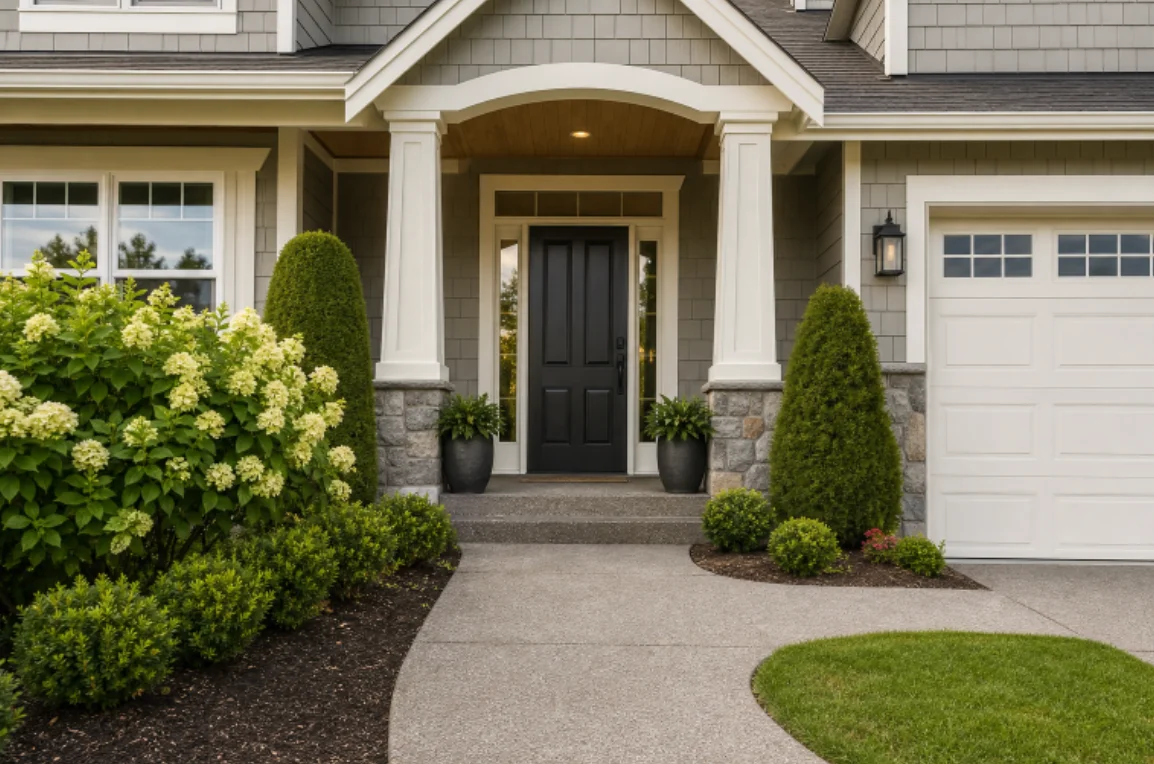
Selling a West Hartford home does not require a full renovation. A focused preparation plan can make the property feel clean, functional, well-maintained, and easy for buyers to picture as their own, while keeping more money available for moving costs and negotiations.
For homeowners weighing repairs against local competition, West Hartford CT real estate agents The Connecticut Agency LLC offer Connecticut-focused buying and selling guidance, neighborhood information, home-search tools, and seller services. The Connecticut Agency is based in West Hartford. It offers practical pre-market support, such as cleaning, lawn care, painting, repairs, and inspections, making it a useful local resource when deciding where to allocate preparation dollars.
Why Smart Preparation Matters in West Hartford
Buyers often form an early opinion from online photos, price, visible condition, and the amount of work a home appears to need. The objective is not perfection. It is to reduce avoidable questions and make the home feel cared for from the driveway to the basement.
In West Hartford, preparation should reflect the home’s neighborhood, age, price range, and likely buyer. A historic home may benefit from highlighting that original details have been maintained, while a newer home may need more attention to clean finishes and functional systems. Compare the property with recent local sales and active listings, not only broad national headlines.
Start With a Full Home Walkthrough
Walk through the property as if seeing it for the first time. Test doors, windows, faucets, outlets, lights, appliances, heating, cooling, and locks. Look for water stains, active leaks, unusual odors, peeling paint, cracked caulk, loose railings, and damaged screens.
Outside, inspect gutters, drainage areas, walkways, driveway edges, fencing, steps, and the roof from the ground. Connecticut’s changing seasons make drainage, exterior upkeep, and safe entry areas especially worth reviewing. Take photos and sort every item into three lists:
- Fix now: Safety concerns, active damage, and broken systems.
- Improve if budget allows: Paint touch-ups, hardware, landscaping, and minor cosmetic updates.
- Leave as-is: Functional features that are older or reflect personal taste.
Build a Pre-Sale Budget Before Spending
A written budget prevents a small repair list from turning into an emotional renovation. List each possible project, request estimates for larger work, and separate urgent repairs from cosmetic improvements. Include room for cleanup, permits when applicable, and a contingency for surprises.
Before approving a major project, ask three questions: Does it solve a visible problem? Will buyers notice it during a showing or inspection? Does the cost make sense compared with similarly priced homes in West Hartford? A local market professional can help distinguish a necessary improvement from an expensive preference.
Fix Safety and Function Before Style
Buyers may accept dated cabinets or older flooring more readily than evidence of water, electrical, plumbing, roofing, or access problems. Address active leaks and resulting damage, broken fixtures, loose outlets, unsafe steps, faulty locks, damaged doors, and obvious drainage concerns before considering decorative work.
Use Low-Cost Updates That Photograph Well
Small improvements can create a cleaner visual impression without changing the home’s layout. Touch up worn walls with calm, broadly appealing colors. Replace burned-out or mismatched bulbs, clean windows and vents, scrub grout, and clear baseboards and floors. If cabinet pulls, switch plates, or faucet handles are visibly worn, simple replacements may help the room look more finished.
Decluttering is equally important. Remove bulky furniture that interrupts walking paths, reduce items on counters and shelves, and make closets look orderly rather than overfilled.
Improve Curb Appeal Without Overdoing It
The entry establishes the first in-person impression. Mow the lawn, trim overgrowth, clear walkways, sweep steps, clean the front door, and make sure house numbers are visible. Fresh mulch or a few well-kept containers can help, but a complicated landscaping project is rarely necessary immediately before a sale.
Stage the Rooms Buyers Notice First
Staging helps buyers understand the flow of the rooms and imagine daily life in the home. The National Association of REALTORS® reports that staging can help buyers visualize a property as a future home, with the living room, primary bedroom, and kitchen commonly prioritized.
- Pack personal photos, collections, excess décor, valuables, medications, and documents.
- Use furniture to show each room’s purpose and preserve clear pathways.
- Start with the entry, living room, kitchen, and primary bedroom.
- Choose a professional consultation, partial staging, or do-it-yourself approach based on the budget.
Prepare for Listing Photos and Showings
Schedule photography after cleaning, repairs, and decluttering are complete. On photo day, open curtains and blinds, turn on lights in darker rooms, clear kitchen and bathroom counters, remove pet items and trash cans, hide loose cords, move vehicles away from the front, and straighten beds, towels, and pillows.
Gather Records and Consider an Inspection
Collect permits, warranties, service records, appliance information, and invoices for completed improvements. Records can help answer buyer questions and show how the home has been maintained. Energy-related updates, such as insulation, efficient heating equipment, newer windows, or smart thermostats, are also worth documenting. A Department of Energy study found a positive relationship between Home Energy Scores and sale prices in some markets, although local conditions and the home itself still matter.
A pre-listing inspection is optional, not a substitute for a buyer’s inspection. It may give a seller time to understand concerns, obtain estimates, make selected repairs, disclose known issues, or adjust the pricing strategy.
Projects Sellers Should Think Twice About
Think carefully before undertaking a luxury kitchen renovation, a full bathroom remodel, highly customized built-ins, whole-house flooring replacement, or extensive landscaping, as these could delay the listing. Spend when a project solves a clear condition issue, protects the property, or aligns it with nearby competition. Otherwise, preserving funds may be the wiser choice.
A Simple Four-Week Preparation Timeline
Four Weeks Before Listing
- Complete the walkthrough, choose priority repairs, request estimates, and begin packing.
Three Weeks Before Listing
- Finish repairs and paint touch-ups, gather records, and schedule cleaning, landscaping, and photography.
Two Weeks Before Listing
- Remove excess furniture, complete exterior cleanup, and review competing listings and recent local sales.
One Week Before Listing
- Deep-clean, confirm the showing plan, recheck the lighting and curb appeal, and finalize pricing.
Final Thoughts
Effective home preparation is focused, not extravagant. Repair meaningful problems, clean deeply, simplify each room, improve the entry, organize records, and use current local evidence to guide pricing. With a clear plan, West Hartford sellers can confidently present a home without overspending on changes that buyers may not value.

David Weber is an experienced writer specializing in a range of topics, delivering insightful and informative content for diverse audiences.
The app is just seamless. No lags during the big wins which is all I care about. vnd88apkvn is definitely my new favorite for daily gaming.