
Introduction
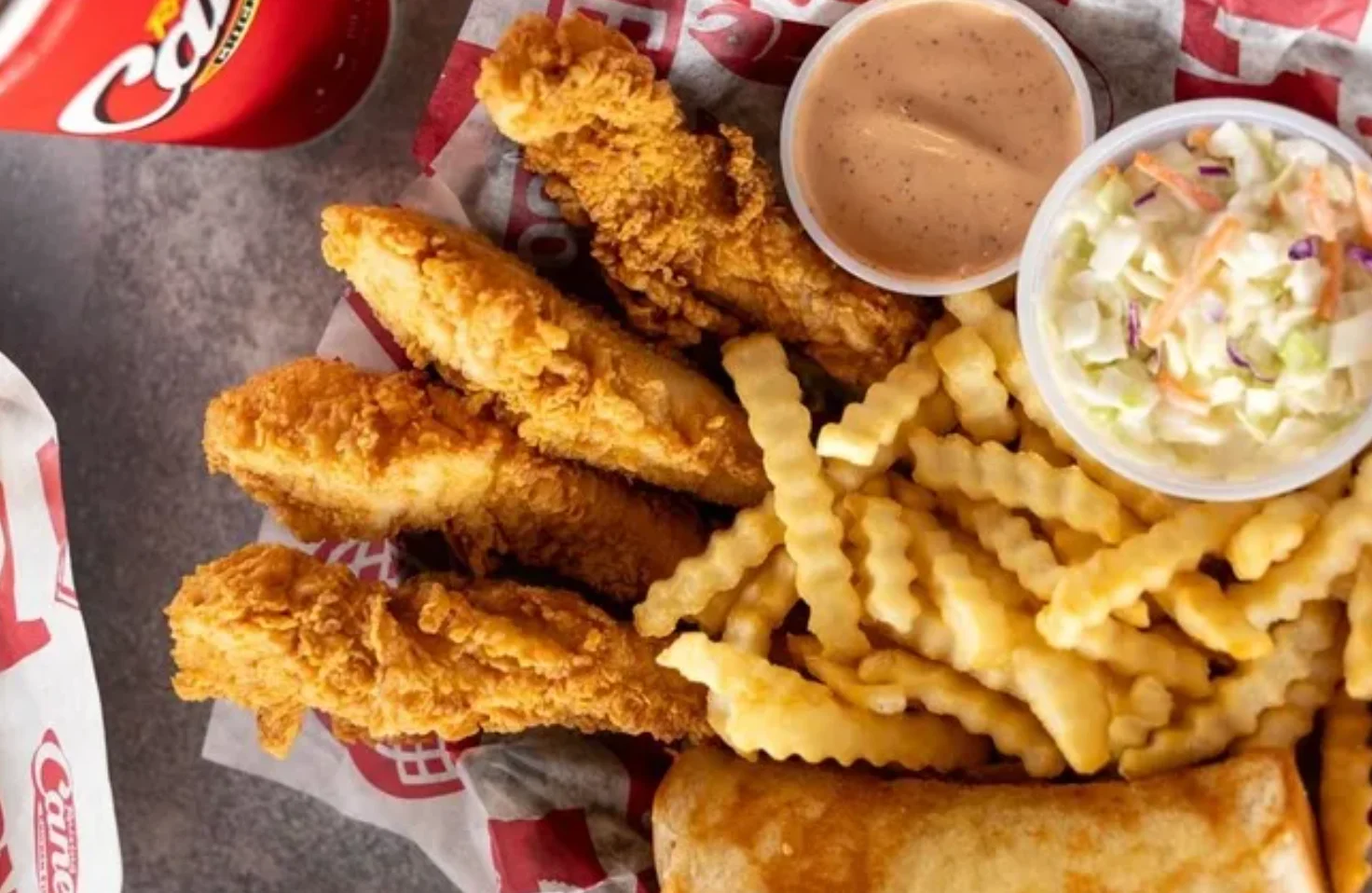
The food world is always changing. Restaurants and food brands update their menus to match customer tastes, health trends, and seasonal ingredients. From plant-based meals to protein-packed bowls, today’s food options are more diverse than ever before. Many restaurants now offer expanded menus with healthier swaps, low-calorie choices, and clear nutrition labels. Even fast-food chains are adapting to these changes. For example, customers checking the Raising Cane’s Menu may notice clear information about calories, combo options, and portion sizes to help them make informed choices. This shift shows how the food industry is focusing more on transparency and customer health. Updated food options are not only about new flavors. They also include better ingredient sourcing, improved cooking methods, and flexible meal deals that provide value for money.
Why Restaurants Update Their Menus?
Changing Customer Preferences
Customers today care about health and wellness, dietary restrictions, sustainability, and food quality. More people look for gluten-free, vegetarian, vegan, or keto-friendly options when they eat out. Restaurants update menus to meet these demands and keep up with modern expectations. Offering more choices helps businesses attract a wider audience and build customer loyalty.
Seasonal Ingredients
Seasonal updates allow restaurants to use fresh produce, offer limited-time dishes, and create excitement around new flavors. Seasonal menus often include lighter meals in summer and heartier dishes in winter. Using ingredients that are in season can also improve taste and reduce costs.
Competitive Market Trends
The restaurant industry is highly competitive. Brands must innovate to stay relevant. Updating food options helps attract new customers while keeping loyal ones satisfied. Limited-time offers and new product launches create buzz and encourage repeat visits.
Popular Updated Food Options in 2026
Plant-Based Alternatives
Plant-based meals are no longer limited to simple salads. Restaurants now offer plant-based burgers, vegan chicken substitutes, dairy-free desserts, and meat-free tacos. These options appeal to vegans, vegetarians, and people who simply want to reduce meat consumption.
High-Protein Meals
Protein-rich meals are popular among fitness enthusiasts, athletes, and people following weight-loss plans. Grilled chicken bowls, egg-based breakfasts, Greek yogurt snacks, and protein smoothies are common additions to updated menus. Protein helps build muscles and keeps people feeling full for longer periods.
Low-Calorie and Light Options
Many menus now include lighter versions of popular meals. These options often reduce added sugar, use grilled instead of fried cooking methods, and offer smaller portion sizes. Clear calorie labeling helps customers make better decisions and stay within their daily limits.
Global Flavors
International flavors continue to trend. Updated menus now feature Korean-inspired sauces, Mediterranean bowls, Mexican street-style tacos, and spicy Asian noodles. These flavors create exciting and diverse dining experiences for customers who enjoy trying something new.
Understanding Meal Deals and Combo Offers
Meal deals are designed to offer value and convenience. They combine main dishes, sides, and drinks at a lower price than buying each item separately. Classic combo meals usually include a main item, fries or another side, and a drink. Family meal bundles provide larger portions meant for sharing and often come at discounted prices. Limited-time promotions appear during holidays or special events to attract more customers. Meal deals are attractive because they save money and simplify ordering decisions, especially for busy families.
How Meal Deals Affect Nutrition?
While meal deals are convenient and affordable, they can sometimes increase calorie intake. Adding fries and sugary drinks increases total calories, fat, and sugar. Upsizing portions can add even more sodium and unhealthy fats. However, many restaurants now allow customization. Customers can swap fries for a salad, choose water instead of soda, or select smaller portion sizes. This flexibility helps balance value and health. Making small changes within a meal deal can greatly improve overall nutrition.
Nutrition Details Explained in Simple Terms
Understanding nutrition labels becomes easier once you know what to look for. Calories measure energy, and eating more calories than your body needs can lead to weight gain over time. Protein supports muscle growth and repair, and most adults need about 50 to 70 grams daily depending on activity level. Carbohydrates provide energy, but complex carbs like whole grains are healthier than refined white bread or sugary snacks. Healthy fats, such as those found in nuts and fish, support heart health, while saturated and trans fats should be limited. Sodium is another important factor because too much sodium can increase blood pressure. Experts recommend limiting daily sodium intake to around 2,300 milligrams or less.
The Importance of Portion Control
Portion size plays a major role in nutrition. Even healthy foods can cause weight gain if eaten in large amounts. Choosing small or medium sizes instead of large portions helps control calorie intake. Sharing large meals with a friend or family member can also reduce overeating. Avoid upsizing automatically just because it seems like a better deal. Eating slowly and mindfully allows the body to recognize when it is full. Many restaurants now provide portion and calorie information to help customers stay aware of how much they are eating.
Healthy Swaps You Can Make
Making small changes can significantly improve a meal’s nutrition. Choosing grilled chicken instead of fried reduces unhealthy fats. Selecting brown rice instead of white rice adds fiber. Drinking water or unsweetened tea instead of soda lowers sugar intake. Adding extra vegetables instead of fries increases vitamins and minerals. These simple swaps allow customers to enjoy their meals while making healthier choices.
How Fast-Food Chains Are Improving Nutrition Transparency?
In recent years, many restaurants have started displaying calorie counts directly on menus and digital boards. They also provide allergen information and detailed ingredient lists on their websites and mobile apps. This transparency helps customers with food allergies and dietary restrictions make safe decisions. When reviewing a fast-food menu, such as the Raising Cane’s Menu, customers can check nutrition details before placing an order. This allows better meal planning without removing the enjoyment of dining out. Clear labeling builds trust between restaurants and consumers.
Special Diet Options on Modern Menus
Modern menus now include more inclusive choices. Gluten-free meals avoid wheat, barley, and rye and are clearly marked for customers with gluten sensitivity. Keto-friendly meals are low in carbohydrates and may include bunless burgers or salad bowls with healthy fats. Vegetarian meals avoid meat, while vegan meals avoid all animal products. Offering these options makes restaurants more welcoming to people with different dietary needs.
Family and Budget-Friendly Meal Deals
Meal deals are not only about convenience but also about affordability. Family meal bundles often include large portions, multiple side dishes, and sharing options at a lower combined price. These deals are helpful for busy parents, group gatherings, or quick weeknight dinners. While they offer value, families should still pay attention to portion sizes and nutritional balance. Splitting meals evenly and adding vegetables can improve the overall health of shared dining experiences.
Understanding Marketing vs Nutrition Reality
Some menu items are labeled as light, fresh, or natural. However, these words do not always mean low-calorie or healthy. A fresh smoothie may still contain added sugar, and a light sandwich may still have high sodium. Marketing terms are designed to attract customers, but nutrition labels provide the real facts. Reading nutrition information carefully helps avoid unexpected calorie intake.
Balancing Enjoyment and Health
Food is not only about nutrients. It also represents social connection, cultural traditions, and personal enjoyment. The key to healthy eating is balance. People can enjoy their favorite meal deals occasionally while focusing on vegetables, lean proteins, and whole grains most of the time. Staying active and drinking enough water also supports overall health. Moderation is more sustainable than strict dieting, and long-term habits matter more than one single meal.
Technology and Digital Menus
Digital menus and restaurant apps now provide real-time calorie counts, customization options, and personalized meal suggestions. Some apps even track nutritional intake over time. This technology makes healthy decision-making easier and faster. Customers can review options before visiting the restaurant, helping them plan meals that fit their goals.
The Future of Updated Food Options
Looking ahead, food trends may focus on sustainable packaging, locally sourced ingredients, lower sugar and sodium levels, and personalized nutrition plans. Restaurants will likely continue updating their menus to meet changing health standards and customer expectations. Consumers are becoming more informed and want both value and health in their meals. Updated food options and meal deals will continue evolving to meet these needs.
FAQs
What are updated food options?
Updated food options are new or improved menu items created to match modern trends and customer preferences.
Are meal deals cheaper than ordering separately?
Yes, meal deals usually cost less than buying each item on its own.
Do meal deals always contain more calories?
Not always, but they can if they include large portions and sugary drinks.
How can I check nutrition details at restaurants?
You can check calorie and nutrition information on menus, official websites, or mobile apps.
Are plant-based meals healthier?
Plant-based meals can be healthier, especially when they are low in added sugar and processed ingredients.
What is the best way to control calories when eating out?
Choose smaller portions, avoid sugary drinks, and select grilled items instead of fried foods.
Final Thoughts
Updated food options, meal deals, and improved nutrition transparency have changed the way people dine outside their homes. Restaurants are offering more flexible, diverse, and health-conscious choices than ever before. Understanding nutrition labels, portion sizes, and meal customization allows customers to enjoy their favorite foods while staying mindful of their health. By making informed choices and balancing enjoyment with smart decisions, anyone can benefit from the evolving food industry.

David Weber is an experienced writer specializing in a range of topics, delivering insightful and informative content for diverse audiences.