
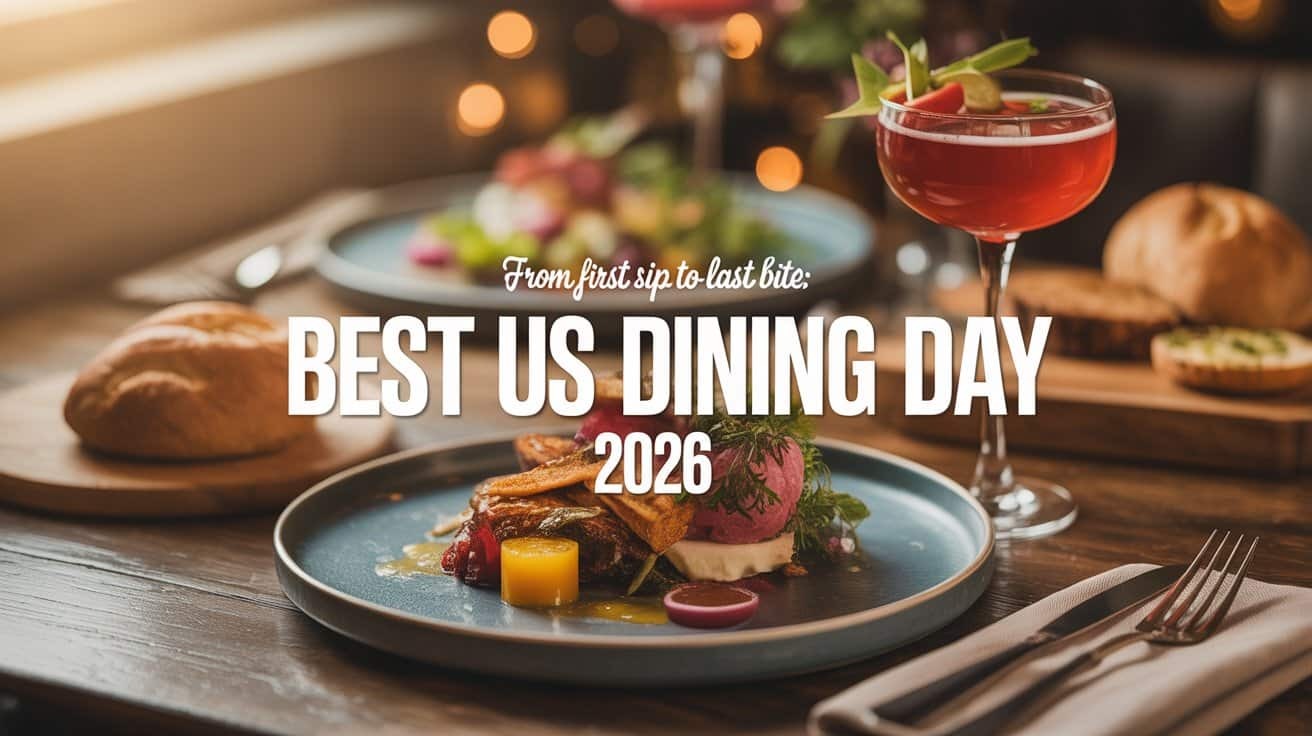
Most people don’t think about their meals as a connected experience. Breakfast is whatever happens before work, lunch is a quick decision, and dinner is often an afterthought. But what if you approached your dining day with a little more intention? The reality is that America in 2026 offers an incredible range of food and drink experiences — from specialty drive-thru coffee that rivals any café in the world, to sit-down restaurants serving steakhouse meals that genuinely feel worth every dollar.
Whether you’re planning a weekend treat, exploring a new city, or simply trying to make your everyday eating more enjoyable, this guide walks you through how to build a satisfying American dining day from morning to evening — with practical tips on what to order, what to expect, and how to get the best value at every stop. You can also explore detailed menus and current prices for hundreds of American restaurants through the 7 Brew menu and similar resources to plan ahead before you go.
Start Your Morning Right: The Drive-Thru Coffee Revolution
The American morning coffee ritual has transformed completely. What was once a basic gas station stop or a rushed chain latte has become one of the most creative and customizable food experiences in the country.
Why Drive-Thru Coffee Has Taken Over
Speed without sacrifice is the driving force behind the rise of specialty drive-thru coffee culture. Americans want premium, handcrafted drinks — but they’re not willing to wait 20 minutes in a café queue to get them. The answer has been a new generation of drive-thru coffee brands that combine rapid service with genuine quality and almost unlimited customization.
Customers can now choose their espresso base, milk type, flavor syrups, sweetness level, temperature, and even toppings — all within a 3-minute drive-thru window. This level of personalization has made morning coffee feel like something genuinely tailored to the individual rather than a generic transaction.
What to Order in the Morning
For a well-rounded morning drink, consider these popular categories:
- Signature espresso drinks — Lattes, mochas, and breves with flavored syrups. Great for those who want a rich, caffeinated start with some sweetness.
- Cold brew — Smoother and less acidic than regular iced coffee. Ideal for anyone sensitive to the sharpness of traditional espresso.
- Energy drinks — Many specialty coffee chains now offer proprietary energy drink blends with fruit flavors and customizable sweetness. Popular with younger customers and those avoiding dairy.
- Matcha lattes — A growing trend for those who want a gentler caffeine lift with an earthy, slightly sweet flavor.
Midday: Smart Lunch Choices That Keep You Going
Lunch in 2026 is firmly in the hands of the consumer. With mobile ordering, app deals, and an endless variety of quick-service options, the midday meal has never been more efficient or more flexible.
Fast Food vs. Fast Casual: Understanding the Difference
Fast food focuses on speed and price — standardized meals produced quickly at a low cost. Fast casual sits a step above, offering fresher ingredients, more customization, and a slightly higher price point in exchange for a noticeably better product.
In 2026, the gap between the two has narrowed. Fast food brands have invested heavily in quality improvements, while fast casual chains have streamlined operations to compete on speed. The result is a midday dining landscape where quality and affordability coexist at most price points.
Lunch Ordering Tips
- Use the restaurant’s app rather than a third-party delivery service. App orders are often cheaper and include exclusive deals.
- Meal bundle deals almost always offer better value than ordering items individually.
- If you’re eating in, avoid peak hours (12:00–1:00 PM) for faster service and a more relaxed experience.
Evening: When the Meal Becomes the Experience
Dinner is where the American dining day shifts from functional to meaningful. The evening meal — whether it’s a casual weeknight dinner or a deliberate weekend outing — is the one occasion where most people slow down and actually pay attention to what they’re eating.
Why Steakhouses Still Win at Dinner
In a dining landscape crowded with trendy concepts and rotating menus, the classic American steakhouse has held its ground remarkably well. The reason is straightforward: it delivers something consistent, generous, and satisfying that fits almost any occasion.
Texas-style steakhouses in particular have become a reliable choice for diners who want real food prepared with genuine care. Flame-grilled meats, scratch-made sides, fresh seafood, and portions that actually fill you up — this is the kind of dinner that justifies eating out over cooking at home.
What to Expect at a Steakhouse Dinner
A well-planned steakhouse dinner covers several stages worth understanding before you arrive.
Starters: Most steakhouses offer soups, salads, and appetizers that are worth ordering — the house salad at a Texas-style steakhouse, for example, is often made fresh and far better than its menu position suggests.
The main event: Steak cuts vary significantly in texture, fat content, and flavor. A ribeye is rich and heavily marbled — best for those who want maximum flavor. A sirloin is leaner and slightly firmer. A filet is the most tender cut but less intensely flavored. First-timers should ask the server for a recommendation based on their preference.
Sides: Scratch-made sides are one of the underrated highlights of a good steakhouse. Mashed potatoes, grilled vegetables, mac and cheese, and fresh bread are typically made in-house and worth ordering separately rather than relying on what comes with the main.
Seafood options: Many Texas steakhouses also feature fresh Gulf seafood alongside their beef menu — a combination that makes them a strong choice even for tables where not everyone wants steak.
Steakhouse Dinner Tips
- Book ahead for weekend dinners — popular locations fill up quickly on Friday and Saturday evenings.
- Ask about daily specials. Steakhouses often run weeknight promotions that aren’t listed on the main menu.
- Check the menu and price ranges online before you go. The Saltgrass Steak House menu is a good reference for understanding what a quality Texas steakhouse typically offers, from cuts and sides to pricing.
- Don’t skip dessert if you have room — steakhouse desserts tend to be made in-house and reflect the same generous spirit as the rest of the meal.
Putting It All Together: A Sample Dining Day
To make this practical, here’s how a well-planned American dining day might look in 2026.
Morning (7:00–8:00 AM): Drive-thru specialty coffee. A medium signature latte or cold brew with a flavor syrup that suits your taste. Keep it under $9 and use your loyalty points.
Lunch (12:30 PM): Fast casual or quick-service meal. A combo deal from your preferred chain, ordered via the app for the best price. Aim for $8–$12 for a complete meal.
Dinner (7:00 PM): A sit-down meal at a quality restaurant. A steakhouse offers the best combination of consistency, generosity, and occasion-appropriate experience. Budget $25–$45 per person for a full meal with a starter and dessert.
Final Thoughts
The American dining landscape in 2026 rewards the people who pay attention to it. Menus are better, prices are more competitive, and the options available at every stage of the day are genuinely impressive. Whether your priority is a perfectly customized morning coffee, a satisfying midday meal deal, or a dinner that feels like a proper occasion, the infrastructure exists to deliver all three.
The key is knowing what’s available, doing a little planning ahead, and treating each meal as something worth doing well — not just something to get through.

David Weber is an experienced writer specializing in a range of topics, delivering insightful and informative content for diverse audiences.