
Introduction
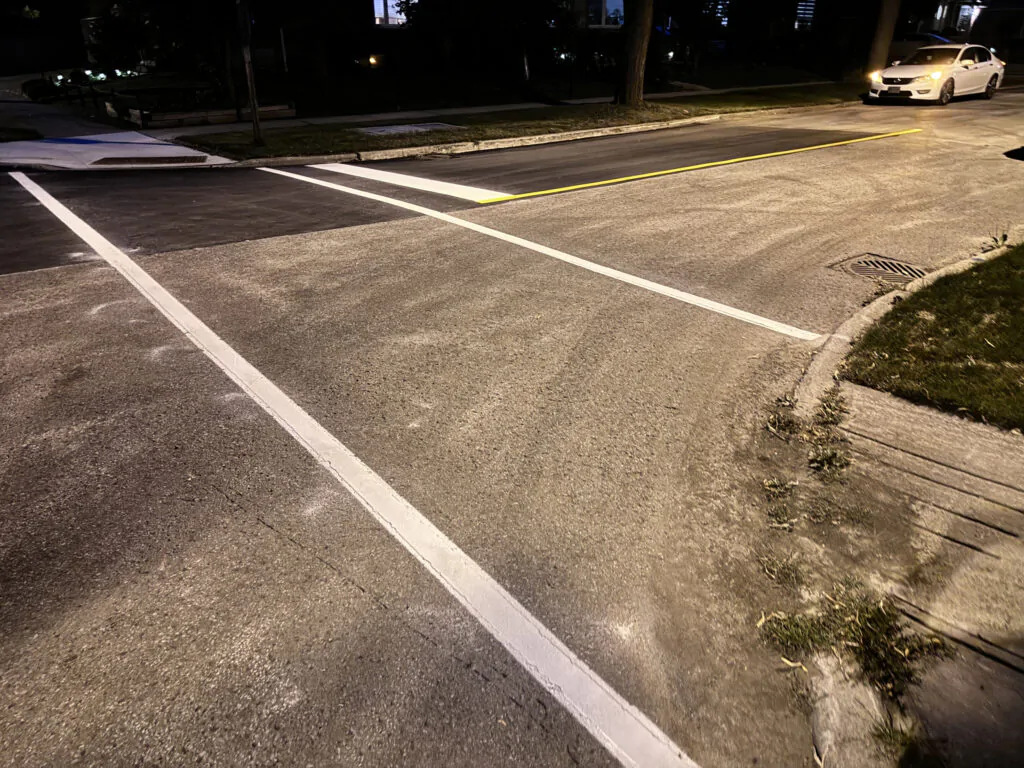
If you live, work, or travel in Whitby, you have likely seen how bike lanes are becoming a bigger part of everyday road use. More people are cycling for commuting, exercise, and short errands. With that increase comes a real need for clarity on the road. This is where accurate markings matter. Line painting in Whitby plays a major role in keeping bike lanes easy to follow and safe for everyone who uses them. When lines are unclear or worn, confusion happens fast and small mistakes can lead to serious risks.
Why clear markings matter for bike lanes
Bike lanes are designed to create space and order between cyclists, drivers, and pedestrians. Bike Lanes in Ontario follow specific layouts so road users know where to go and what to expect. Clear painted lines guide cyclists through intersections, signal where vehicles should not cross, and show drivers how much space to leave. When markings fade or are placed incorrectly, that shared understanding disappears.
Clear lines reduce hesitation. A cyclist who knows exactly where the lane begins and ends can ride with confidence. Drivers who see strong visible markings can adjust their speed and position without second guessing. This shared clarity lowers stress and improves safety for everyone on the road.
How accuracy affects daily road use in Whitby
Accurate line painting in Whitby matters because local roads vary widely. Some streets are busy commuter routes while others serve neighbourhoods, schools, or commercial areas. Bike lanes often change width or direction depending on traffic flow. If the lines are off by even a small amount, cyclists may be pushed too close to vehicles or parked cars.
Poor alignment also creates problems at intersections. Cyclists rely on painted guides to move through turns safely. Drivers rely on those same guides to anticipate cyclist movement. When markings are unclear, hesitation increases and so does the chance of conflict. Accuracy is not just about appearance. It is about predictable movement.
The role of visibility over time
Painted lines are exposed to weather, road wear, and constant traffic. In areas with heavy use, markings fade faster than many people expect. Bike Lanes in Ontario need consistent visibility so they function as intended throughout the year. When paint fades, lanes start to blend into the rest of the road.
This is especially important in lower light conditions like early mornings, evenings, or rainy days. Cyclists need to see the lane edge clearly. Drivers need to recognize bike space quickly. Strong visible lines reduce reaction time and help everyone make safer decisions.
Bike lanes near parking and commercial areas
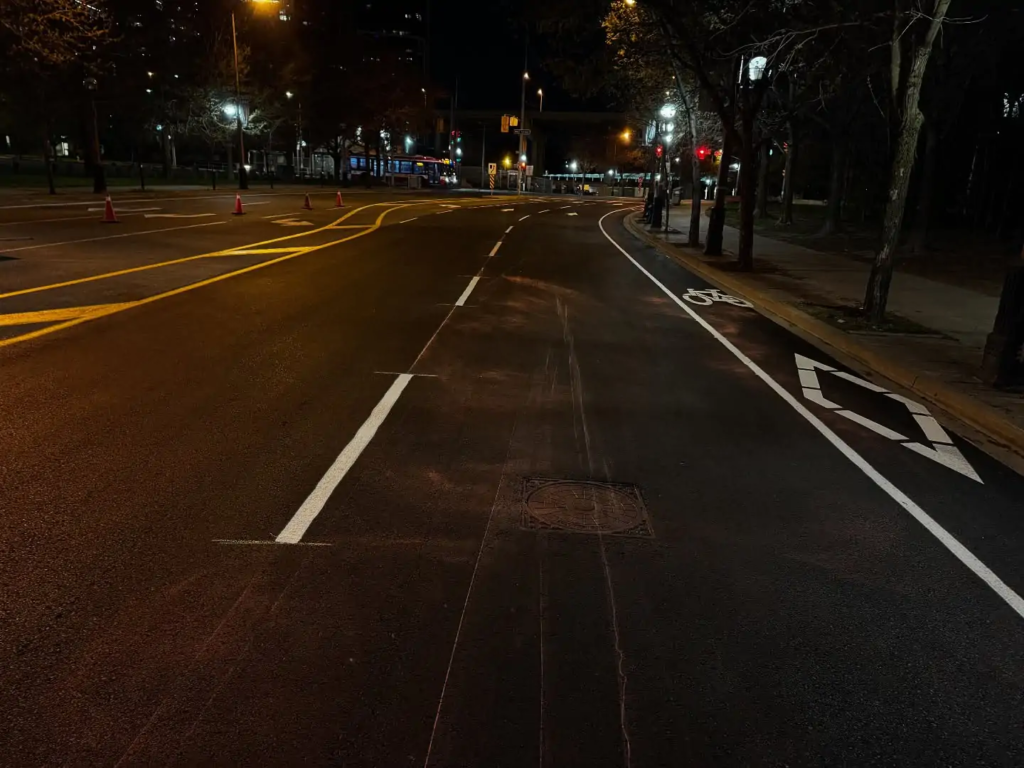
Bike lanes often run alongside parking zones, including hotel entrances and shared access roads. This is where careful planning becomes even more important. Hotel parking lot line painting in Ontario must account for nearby bike lanes to avoid confusion for guests who may not be familiar with the area.
When parking lines, loading zones, and bike lanes are clearly separated, traffic flows more smoothly. Guests pulling into parking areas can see exactly where cyclists may pass. Cyclists can maintain a steady path without swerving around vehicles. Clear separation reduces near misses and improves overall safety around busy properties.
Common issues caused by poor line placement
When line placement is inaccurate, several issues appear quickly. Cyclists may drift into vehicle lanes without realizing it. Drivers may park too close to bike paths. Pedestrians may step into bike lanes unintentionally. These problems often stem from lines that are too faint, misaligned, or inconsistent with surrounding markings.
Over time, these small issues change how people use the road. Cyclists may avoid certain routes. Drivers may ignore bike lanes altogether. Restoring trust starts with correcting the lines so they match real world use and traffic patterns.
How good line work supports safer habits
Accurate markings encourage better habits from everyone. Cyclists stay within their lanes. Drivers give proper space. Pedestrians cross where they should. Line painting in Whitby helps reinforce these habits by making the road layout obvious at a glance.
When people do not have to guess, they make fewer mistakes. This leads to smoother traffic flow and fewer close calls. Clear markings also support education efforts by showing new cyclists and drivers how the road is meant to be shared.
Helpful insights for understanding bike lane design
Bike lanes are not just painted lines. They are part of a system designed to guide movement. The width, spacing, and placement of lines all serve a purpose. Bike Lanes in Ontario are designed to balance safety, traffic speed, and space limits.
Understanding this helps explain why accuracy matters so much. A line that is slightly off can change how the entire lane feels to a cyclist. Proper spacing gives riders room to maneuver and avoid obstacles. Consistent markings help drivers recognize bike lanes even in unfamiliar areas.
Conclusion
Bike lanes only work when people trust them. That trust comes from clear, accurate, and visible markings that guide everyone safely. Line painting in Whitby supports safer cycling by creating predictable spaces on busy roads. Bike Lanes in Ontario depend on careful planning and proper placement to stay effective over time. Even areas like hotel parking lot line painting in Ontario play a role when they connect with public roads and bike paths.
