
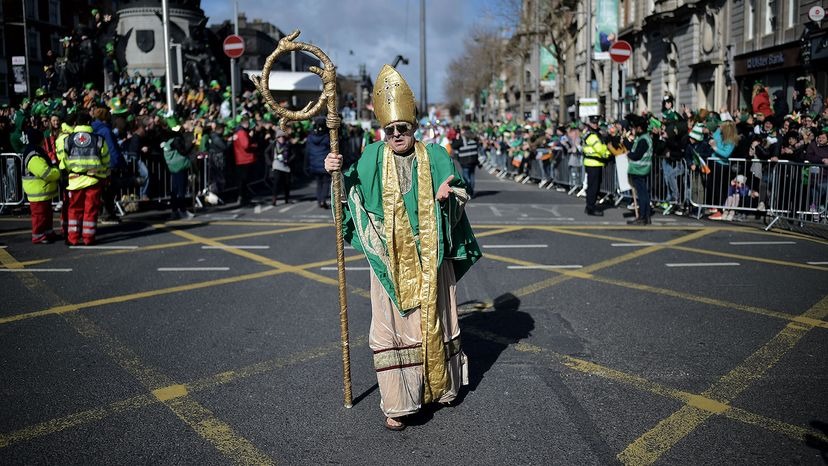
St. Patrick’s Day, observed every year on March 17, honors Saint Patrick, the patron saint of Ireland. What began as a religious feast day gradually evolved into a global cultural celebration. Beneath the parades, music, and green attire lies a foundation shaped by faith, resilience, and symbolism that still carries meaning today.
Historical Foundation
Saint Patrick was born in Roman Britain in the late 4th century. As a teenager, he was captured and taken to Ireland as a slave. During captivity, he turned deeply toward Christianity. After escaping, he later returned to Ireland as a missionary, dedicating his life to spreading Christian teachings.
His mission was not only religious but cultural. He worked within Irish traditions rather than attempting to erase them. Over time, his efforts shaped the spiritual identity of Ireland. After his death—traditionally dated March 17—his life became a symbol of devotion and transformation.
For centuries, March 17 was observed primarily as a religious feast day in Ireland. Church services, prayer, and reflection defined the day long before large public celebrations emerged.
From Religious Feast to Cultural Celebration
As Irish communities migrated to countries such as the United States, Canada, and Australia, the holiday expanded beyond church walls. Public parades became expressions of Irish pride and identity. Cities like Chicago even began dyeing rivers green, transforming the feast day into a large-scale cultural festival.
Interestingly, many of the biggest St. Patrick’s Day celebrations developed outside Ireland. Immigrant communities used the day to preserve heritage, express unity, and celebrate identity in new lands.
Over time, music, dance, and festive clothing became central elements. Yet behind these visible traditions remain deeper themes rooted in faith and national history.
The Spiritual Roots That Remain Strong
Beyond public festivities lies the deeper religious foundation of the day. At its core, St. Patrick’s Day commemorates a missionary who endured hardship, returned to serve the land where he once suffered, and committed his life to spiritual teaching.
For many believers and historians alike, the deeper spiritual meaning of St Patrick’s Day revolves around themes of forgiveness, and transformation. It reflects the idea that adversity can shape purpose and that spiritual conviction can influence an entire culture.
Churches in Ireland and around the world still observe March 17 with prayer services and readings about Saint Patrick’s life. While modern celebrations may appear secular, the holiday’s origins remain grounded in Christian devotion.
A Day of Identity and Reflection
Today, St. Patrick’s Day serves multiple purposes. For some, it is a cultural festival celebrating Irish heritage. For others, it is a day of spiritual remembrance. The blending of faith and national pride has allowed the celebration to endure for centuries.
The holiday’s evolution—from a solemn religious observance to a worldwide event—illustrates how traditions can expand while still retaining their core meaning. Whether marked quietly in a church or loudly in a city parade, the celebration continues to connect people to history, belief, and identity.
