
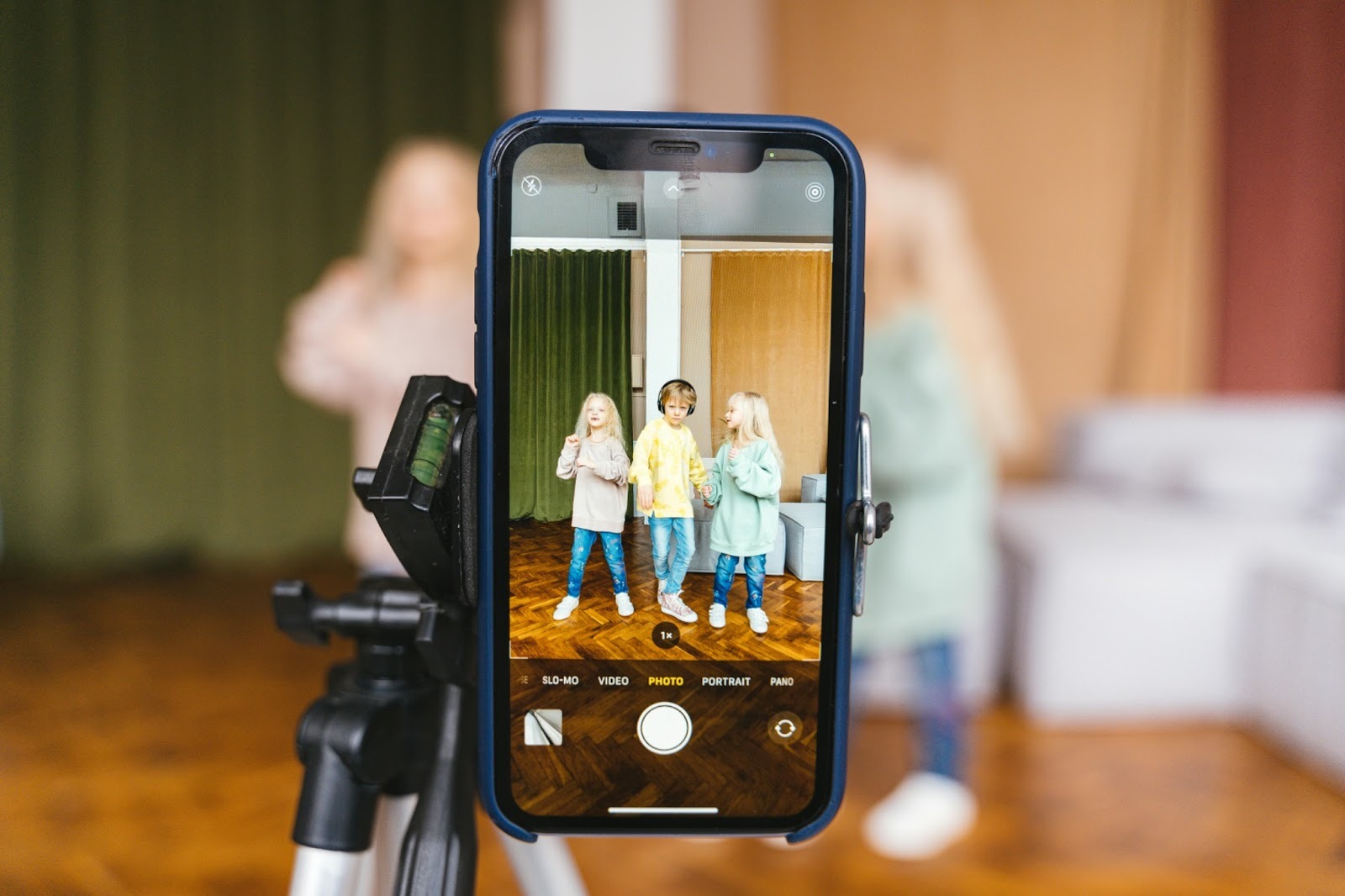
Choosing a child’s first smartphone is an important decision for many parents. In today’s digital environment, smartphones are often used not only for communication but also for school activities and online learning. Because of this, many families start researching the best phones for kids that offer the right balance between functionality, safety, and simplicity.
While some parents prefer to delay smartphone use, others see value in giving children access to technology at the right time. The key is selecting devices that support communication and learning while still allowing parents to guide how technology is used.
Why Many Kids Need Smartphones and Phones for School Today
Modern education and social environments increasingly involve digital communication. Students often use messaging apps to coordinate group assignments, receive updates from teachers, or stay connected with classmates.
In these situations, having reliable phones for school can make communication easier and help children stay organized throughout the day.
For parents, smartphones can also provide peace of mind. Being able to call, message, or track a child’s location allows families to stay connected, especially when children travel between school, tuition classes, and extracurricular activities.
Because of these practical needs, many parents begin looking for the best phones for kids that provide basic communication without unnecessary complexity.
Features Parents Should Consider When Choosing the Best Phones for Kids
When selecting the best phones for kids, parents usually focus on practical features rather than premium specifications.
Some important factors include:
Durability
Children may accidentally drop their devices, so a phone with strong build quality or protective casing is important.
Battery Life
A phone that lasts through the entire school day is useful, especially for students using phones for school to stay connected with parents.
Ease of Use
Simple interfaces and user-friendly designs help younger users learn how to use smartphones more comfortably.
Parental Controls
Many smartphones now offer built-in parental control tools that allow parents to monitor screen time, manage app access, and ensure safer online usage.
These features can help families identify the best phones for kids that support both safety and daily communication.
Smartphones and Learning
Smartphones can also support children’s learning when used appropriately. Many educational apps provide access to research tools, language learning platforms, and digital study materials.
In some cases, phones for school allow students to quickly check homework instructions, collaborate with classmates, or access online resources provided by teachers.
However, parents and educators generally agree that smartphones should complement learning rather than replace traditional study habits.
Teaching Responsible Technology Use
Providing a smartphone also creates an opportunity for parents to teach responsible digital behavior. Children can learn how to manage screen time, protect their privacy online, and communicate respectfully on digital platforms.
Many parents establish clear household rules for smartphone use, such as limiting screen time during homework hours or setting device-free times before bedtime.
With proper guidance, the best phones for kids can become tools that support communication, learning, and digital responsibility.

Finding the Right Balance When Choosing the Best Phones for Kids
While smartphones can provide many benefits, balance remains essential. Children still need time away from screens to focus on outdoor activities, social interaction, and creative play.
Parents who set clear expectations and maintain open conversations about technology often find it easier to guide their children’s digital habits.
Ultimately, choosing the best phones for kids depends on each family’s needs, the child’s maturity level, and how smartphones will be used in daily life. For many families, selecting reliable phones for school can help children stay connected while learning to use technology responsibly.

David Weber is an experienced writer specializing in a range of topics, delivering insightful and informative content for diverse audiences.