
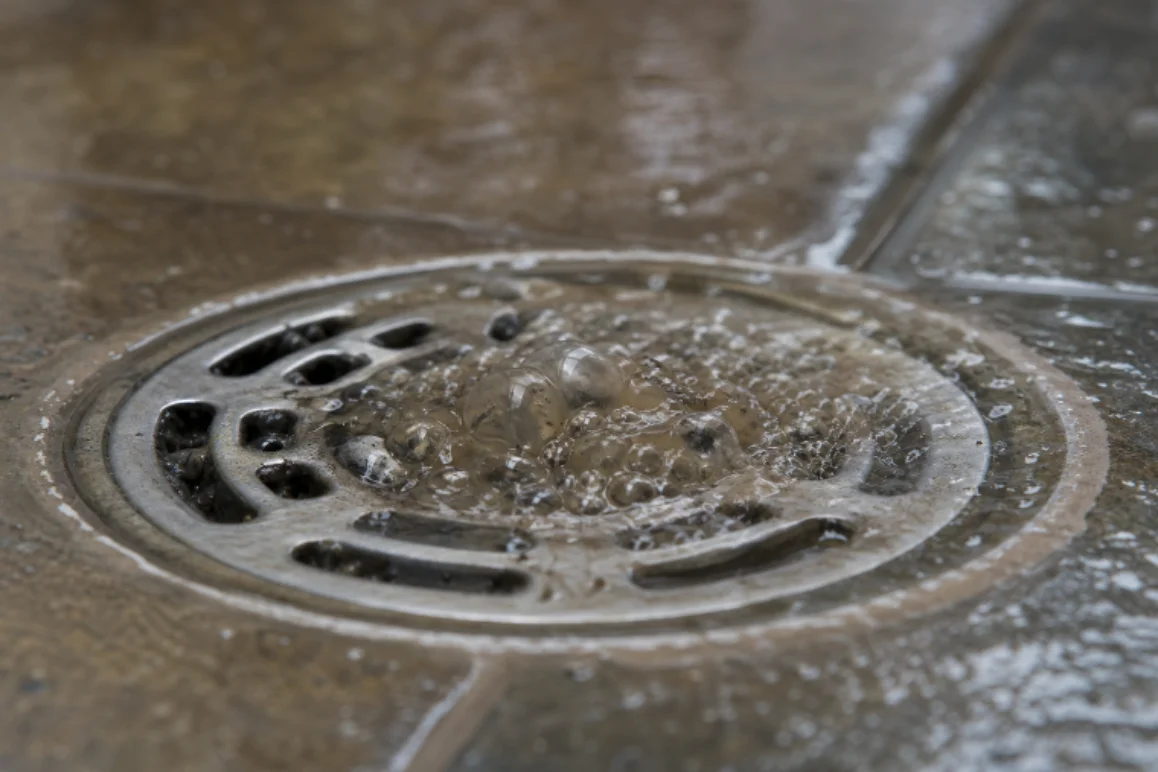
When a sink drains slowly, the cause may be near the fixture. When toilets, tubs, sinks, and floor drains begin acting up together, the pattern can suggest a main line blockage or another restriction in a shared drainage path. Recognizing the difference can help limit water damage and prevent risky trial-and-error fixes.
The safest initial response is usually simple: stop sending more water into the system, watch for backup at the lowest drains, and note which fixtures are affected. A fast assessment matters most when wastewater is rising, odors are persistent, or the problem returns after seeming to clear.
Fixture Clog Or Sewer Line Blockage?
A local clog usually affects one fixture, like hair in a shower drain or food in a kitchen sink. Other drains typically work fine. Shared-line issues can affect multiple fixtures because their waste lines share pipes. For example, running a washing machine may cause a toilet to bubble, or flushing a toilet may cause water to rise in a shower. This cross-fixture movement indicates a broader problem.
Warning Signs That Need Attention
One minor symptom does not confirm a sewer line failure, but multiple symptoms at the same time deserve attention. Watch for these signs:
- Several sinks, tubs, or toilets become slow within a short period.
- A toilet gurgles when a sink, shower, dishwasher, or washing machine is used.
- Water rises in a tub, shower, floor drain, or basement drain.
- Sewage-like odors appear indoors or near an outdoor cleanout area.
- Backups return soon after a drain appears to be cleared.
- The yard has an unusually soggy, green, or sunken area near the buried sewer route.
Not every plumbing concern is connected to the main drain. For instance, a persistent leaky faucet is typically a separate fixture issue, though it is still worth addressing because ongoing water loss can be wasteful and may damage surrounding materials.
Common Causes Of Sewer Line Problems
Restrictions and backups have several possible causes. Grease and cooking fats can coat pipe walls and trap debris. Wipes, hygiene products, paper towels, and other non-flushable items can snag or collect inside the line. Tree roots may grow through small openings, while old or shifting pipes can develop cracks, offset joints, or collapsed sections.
Outdoor infrastructure can contribute, too. The causes of sanitary sewer overflows identified by the EPA include blockages, line breaks, and defects that allow excess groundwater or stormwater into sewer systems. A property-level issue and a public sewer issue can produce similar symptoms, so responsibility should not be assumed without checking.
What To Do When Several Drains Act Up
- Stop adding water. Pause laundry, showers, dishwashing, and unnecessary flushing.
- Check the lower areas from a safe distance. Look for rising water in tubs, showers, floor drains, and basement spaces.
- Keep people and pets away. Treat wastewater on floors or carpets as potentially contaminated.
- Document the symptoms. Take photos and write down when the problem began and which fixtures are involved.
- Notify the appropriate party. Renters should contact their property manager. Homeowners can also ask the local sewer utility about public-side inspection procedures.
- Arrange a proper diagnosis. Repeated or widespread symptoms need more than a temporary fixture-level fix.
DIY Steps To Avoid
A plunger may work for a single clog, but aggressive methods can worsen shared-line problems. Avoid repeatedly flushing bubbling toilets, pouring multiple chemical doses, mixing chemicals with bleach or ammonia, or opening overflowing cleanouts without understanding the pressure or wastewater. Standing water near outlets or electrical panels is hazardous; do not enter contaminated water or operate electrical tools in it.
How The Problem Is Diagnosed
Finding the cause often involves more than clearing the immediate obstruction. The approach depends on the affected fixtures, the property layout, the pipe material, and whether the home connects to a municipal sewer or a septic system.
- Fixture and flow testing can identify where drainage is restricted.
- Cleanout access may provide a safer point from which to evaluate the shared line.
- Mechanical clearing may remove certain debris or soft buildup.
- Water jetting can address residue when the pipe is suitable for that method.
- Camera inspection can reveal roots, cracks, separated joints, offsets, or collapsed sections.
Clearing a line and understanding why it clogged are different tasks. If the same symptoms return, identifying the underlying condition can be more useful than repeating a short-term clearing method.
What To Do During A Sewage Backup
Sewage can contain organisms that cause illness, so direct contact should be avoided. Keep children, pets, and vulnerable household members out of the area. Photograph damage before removing belongings, and only shut off electricity if it can be done from a dry, safe location.
Cleanup decisions should account for the materials involved. The CDC notes that drywall and insulation contaminated with sewage should be removed and discarded, while hard surfaces may require thorough cleaning and disinfection. Porous items such as carpeting, padding, upholstered furniture, and paper goods may not be salvageable after contamination.
Ways To Reduce Future Problems
- Collect cooled cooking grease and oil in a container instead of pouring it down a drain.
- Flush only toilet paper and human waste.
- Use sink and shower screens to catch food particles and hair.
- Keep fibrous foods and large scraps out of garbage disposals.
- Pay attention to recurring slow drains rather than treating them as normal.
- Locate the main cleanout before an emergency happens.
- Consider further inspection when blockages repeatedly return without an obvious cause.
Frequently Asked Questions
Can One Clogged Toilet Mean There Is A Sewer Line Problem?
It can, but one clogged toilet is often a local issue. Concern increases when other fixtures are slow, toilets gurgle, or water backs up into a tub, shower, or floor drain.
Is A Sewer Odor Always Caused By A Blockage?
No. Odors can come from a dry drain trap, a venting issue, a damaged seal, or a drainage problem. Persistent odors combined with backups or slow drains should be assessed promptly.
When Is A Camera Inspection Useful?
A camera can be especially useful after recurring clogs, suspected root intrusion, or incomplete results from previous clearing. It can help distinguish buildup from physical pipe damage.
Conclusion
Several slow drains are not always separate clogs happening at once. Gurgling fixtures, low-drain backups, sewage odors, and recurring problems can indicate a shared drainage issue that may worsen if water use continues. Reducing water flow, avoiding hazardous shortcuts, and seeking a clear diagnosis are practical next steps for protecting the home and the people in it.

David Weber is an experienced writer specializing in a range of topics, delivering insightful and informative content for diverse audiences.