
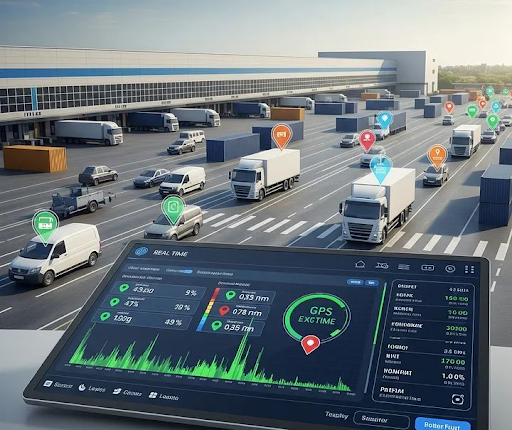
In the world of logistics, companies need to make sure they are working quickly, keep people safe, and keep customers happy. Tracking vehicles in real-time has become an essential technology for reaching these objectives. No matter if you run a small delivery service or a large logistics company, it’s important to know how helpful real-time tracking can be.
Better Use of Resources
Optimization of Route
Vehicle tracking systems in the UK helps fleet managers find the best routes by considering live traffic, road closings, and construction delays. By staying away from busy places, vehicles spend less time driving. This saves fuel and makes deliveries faster. Over time, managers can look at route patterns to improve long-term planning for better efficiency.
Less Idle Time
Watching for idle time in real-time helps companies find vehicles that are running and not being used. Turning off the engine when not in use saves fuel and helps the engine last longer, which lowers repair costs. Drivers can be taught to reduce waiting times, making things run more smoothly.
Dynamic Scheduling
Fleet managers can quickly change schedules when things change, like if there are urgent deliveries, if a driver is available, or if a vehicle breaks down. This flexibility helps use resources well and meets customer needs on time.
Using Fleet Effectively
Tracking systems show which vehicles are not being used much, helping managers give different tasks to make better use of them. A fully used fleet means fewer extra vehicles are needed, which saves money and makes operations run more smoothly.
Insights on Operation
Information gathered from vehicle tracking can show trends in delivery times, how well routes work, and how drivers are doing. These insights help managers make things better, fix problems, and create plans for better overall operations.
Risk and Safety Management
Monitoring Driver Actions
Real-time vehicle tracking systems check how drivers behave, like if they speed, brake suddenly, accelerate quickly, or turn sharply. By gathering this information, managers can spot unsafe behaviors and offer guidance or training to help drivers perform better.
Preventing Accidents
Tracking systems provide real-time alerts about unsafe driving conditions, like heavy traffic ahead or dangerous sections of the road. Managers can change vehicle routes ahead of time to prevent accidents or delays. By studying patterns of risky behavior over time, fleets can take steps to prevent accidents and reduce costs related to them.
Vehicle Health Check
Sensors connected to tracking systems check how the engine is working, the tire pressure, and other important parts. Preventive maintenance alerts help stop machines from breaking down, save money on repairs, and keep everything running smoothly. By fixing mechanical problems early, businesses keep their vehicles safe and dependable for drivers and customers.
Emergency Help
If there is an accident or emergency on the road, tracking the vehicle in real-time helps managers find out where it is. This allows quick sending of emergency services, roadside help, or backup drivers, reducing damage and delays while keeping drivers and their cargo safe.
Following Rules and Regulations
Tracking systems help follow government rules, like how many hours drivers can work, when vehicles need inspections, and what reports need to be filed. Following the rules not only helps a company avoid getting fined, but it also improves its reputation with partners.
Savings and Managing Resources
Mileage
Real-time vehicle tracking spots bad driving habits, like wasting fuel while idling, speeding up when it’s not needed, or taking longer routes. By planning better routes and training drivers, companies use less fuel and save money.
Preventive Maintenance
Tracking systems keep an eye on how well the engine is working, how far it has gone, and how well the parts are performing. Reminders for oil changes, brake checks, and other maintenance help prevent expensive car problems. Taking care of vehicles regularly makes them last longer and helps prevent costly emergency fixes.
Optimizing Labor Costs
Keeping track of how many hours drivers work and how well they follow their routes helps managers use their workers more effectively. Good scheduling helps avoid extra costs, keeps work going smoothly, and makes sure all drivers have equal workloads.
Protecting Assets
Geofencing and quick alerts stop people from using vehicles without permission. If a vehicle is stolen or goes off its planned path, managers can take action right away. This protects the company’s property and helps prevent losses from stealing or improper use.
Data-Based Decisions
Vehicle tracking systems in the UK help you understand how well routes are working, how much fuel is being used, and how well resources are being used. Managers can plan to grow their fleet, change schedules, and wisely invest in new vehicles to get the best return on their money.
Conclusion
Real-time vehicle tracking is changing how you manage transportation by improving efficiency, safety, saving money, and making customers happier. It gives fleet managers a clear view of their vehicles, how drivers act, and how things are running, making data useful for decision-making. Companies can find better routes, use less fuel, stop theft, and make sure deliveries are on time, all while keeping drivers safe.

The section on “Real-Time Vehicle Tracking: Improving How You Manage Transportation” was helpful. I have been following map-based browser games and the reminder that roads, terrain, and route choices matter more than raw speed is a good one. The point about In the world of logistics, companies need to make sure they are working quickly, keep people safe, and keep customers … Read more was also worth saving.