
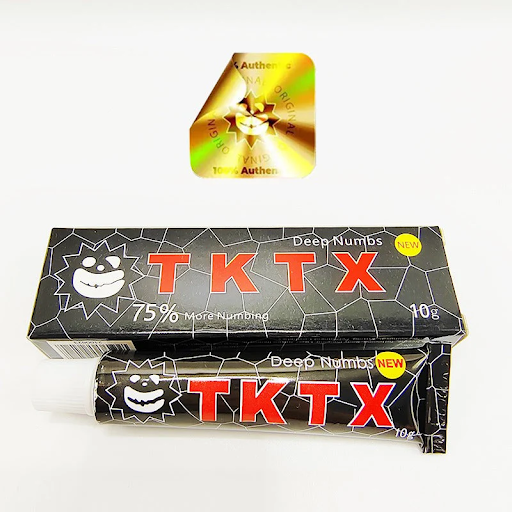
The surge of cosmetic and skin treatments has changed how people approach beauty, comfort, and confidence and the resultant pain. Procedures like microblading, tattoos, and laser resurfacing have become deeply rooted in today’s aesthetic world. With their popularity, clients’ expectations for comfort during treatment have also evolved, making effective pain management an integral part of professional cosmetic care.
Before these treatments begin, aestheticians often apply a numbing cream to prepare the client’s skin and reduce discomfort. By calming nerve endings beneath the surface, it helps prevent sharp or burning sensations that might occur during needlework or laser contact. The more relaxed a client feels, the better the procedure’s result, encouraging trust and repeat visits for both minor and large‑scale cosmetic work.
Evolving Beauty Trends Demand Greater Comfort
Expanding Treatment Choices: Every year brings a fresh wave of cosmetic procedures, from semi‑permanent tattoo artistry to advanced resurfacing. Whether for self‑expression or correction, they all share one constant: controlled discomfort that now demands professional management for longer‑lasting satisfaction.
Client Expectations for Relief: Today’s clients expect comfort as part of the service, not a luxury. Many refuse procedures that feel uncomfortable or distressing, causing salons and clinics to pivot towards superior pain‑control methods that enhance the overall session without compromising results.
Clinician Adaptation: Professionals have become more aware of how comfort drives loyalty. Even simple tattoo touch‑ups now begin with topical pain relief to create a smoother, predictable environment where precision, artistry, and care matter equally in shaping reputation.
The Science of Sensation: How Pain Relief Works Beneath Skin
Barrier Action Explained: Topical anaesthetics work by targeting the sodium channel inhibition mechanism. These compounds temporarily block nerve communication between the skin and the brain, pausing pain signals before they reach sensory pathways for perception.
Timing and Technique: For peak effectiveness, specialists apply the cream around 20 to 40 minutes before treatment. The active ingredients penetrate just enough to numb superficial layers, avoiding deep tissue dullness that might affect procedural accuracy and sensory control.
Safety in Application: Careful dosage control ensures effective numbing without over‑penetrating. Reputable clinics follow guidelines shaped by dermatological science, protecting clients against reactions, redness, or unwanted irritation during sensitive procedures.
From Fear to Confidence: The Emotional Shift Pain Control Enables
Reducing Psychological Barriers: Many clients hesitate before tattoos or advanced facials because they anticipate pain. Reliable numbing reduces fear responses, allowing them to relax, trust the process, and complete their transformation with more comfort.
Enhancing Trust in Professionals: When practitioners demonstrate control over comfort, clients perceive them as skilled and caring. The assurance of a pain‑free experience strengthens long‑term relationships between professional and client, shaping positive word‑of‑mouth recommendations.
Encouraging Self‑Expression: Effective pain relief encourages artistic freedom. People experiment confidently with looks or design placement when anxiety disappears, enabling more authentic styling choices and creative work that lasts beautifully.
Key Benefits of Pain Control Before Cosmetic Treatments
- Helps maintain skin stability, allowing smoother results during detailed procedures.
- Improves precision by preventing flinching or tension that could distort design placement.
- Encourages relaxed breathing and steadier posture for both client and practitioner.
- Minimises post‑treatment redness and irritation, aiding faster recovery.
- Supports consistent outcomes that inspire repeat business or positive referrals.
The New Standard of Professional Care
Integration with Procedure Design: In modern studios, pain management is no longer separate from the treatment itself. It is woven into preparation, discussion, and aftercare, marking a higher professional standard across the beauty sector.
Continuous Improvement: Advances in dermal formulation technology now allow creams to act faster while maintaining safety. These refined blends improve comfort without altering the skin’s balance, ensuring enhanced compliance with client expectations.
Beyond Aesthetics: Effective topical anaesthesia also protects professionals. Reduced client movement lowers the risk of uneven work or accidental injury, making every session safer, calmer, and more reliable across different techniques.
The Future of Comfort‑Driven Aesthetics
Shifting Industry Mindsets: Pain management now symbolises professionalism in beauty culture. Clients increasingly equate comfort with quality, prompting salons to integrate science‑backed anaesthetics as standard practice within treatment protocols.
Technology and Transparency: Online awareness allows clients to research ingredients and ask critical questions. Practitioners embracing transparency about their methods gain trust and a strong reputation for precision and credibility.
Raising Industry Standards: With each advancement, expectations grow. Clinics that adopt reliable practices not only achieve better outcomes but also build a forward‑thinking reputation that attracts informed, comfort‑seeking customers.
Where Comfort Meets Confidence
True beauty experiences depend on both skill and sensitivity. When procedures prioritise physical ease, the emotional and aesthetic outcomes work in harmony. By using scientifically tested methods like numbing agents, modern professionals redefine care quality and reliability. Choosing efficient pain‑management solutions helps clients embrace every treatment confidently and cherish their sessions.
Explore professional‑grade anaesthetic solutions today to make every cosmetic experience smoother, calmer, and more rewarding.
