
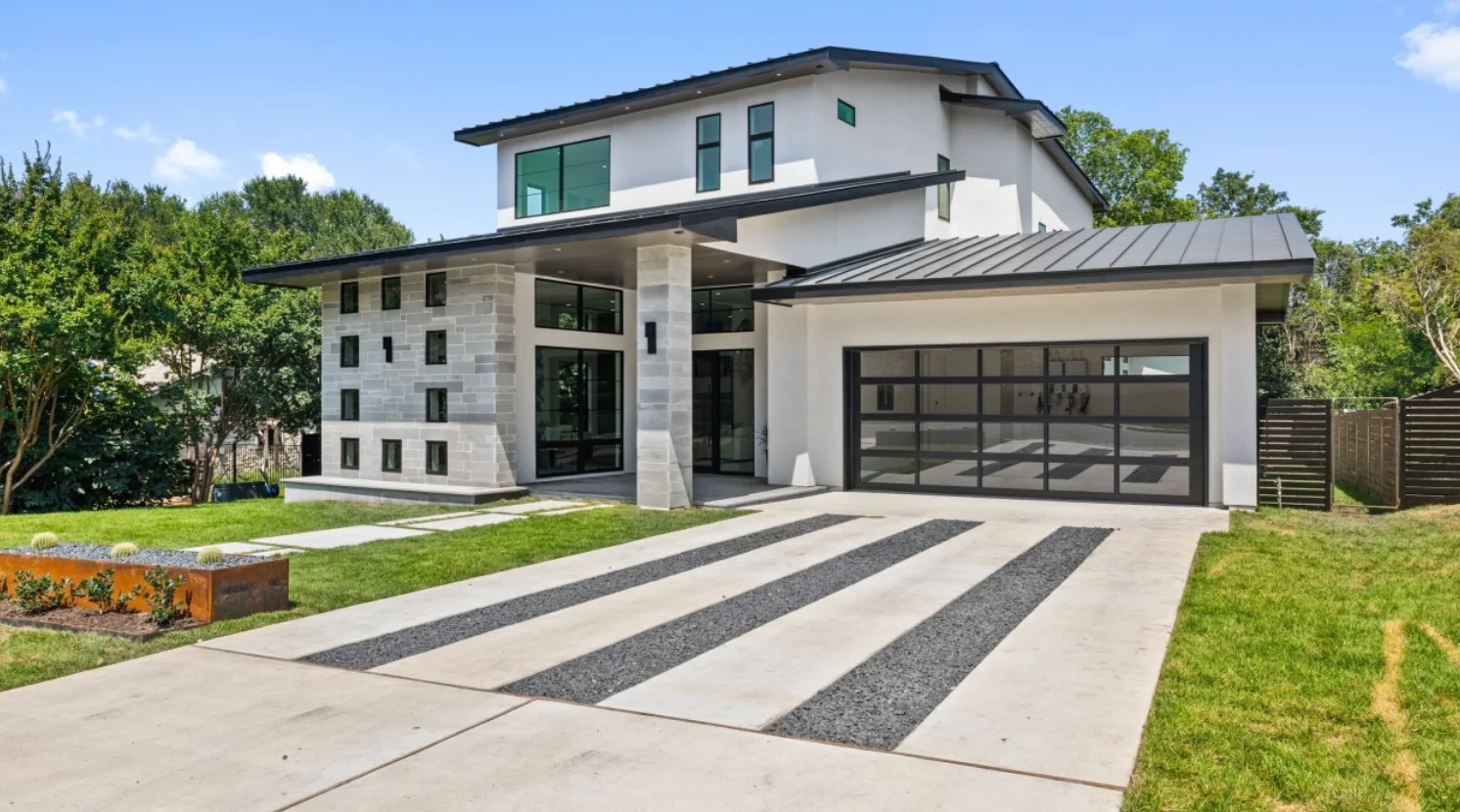
When people think about increasing property value, they often picture kitchen renovations or bathroom upgrades. And sure, those matter. But what’s happening outside your home carries just as much weight, sometimes even more.
Your exterior is the first impression. It’s what people see before they ever step inside. It sets expectations, shapes perception, and quietly communicates how well a home has been cared for.
Over time, the right exterior upgrades don’t just improve how a property looks; they also enhance its value. They enhance durability, reduce long-term maintenance costs, and increase overall market appeal.
Let’s walk through the upgrades that actually make a difference, not just today, but years down the line.
1. Siding That Holds Up Over Time
Siding does more than cover your home. It protects it from weather, moisture, and temperature changes. And when it starts to fail, the effects can extend beyond surface-level damage.
Upgrading to high-quality siding materials, such as fiber cement or engineered wood, can significantly boost both durability and curb appeal. These materials are designed to last longer, resist pests, and handle harsh conditions without constant upkeep.
In many cases, homeowners don’t realize how much value is lost through aging or damaged siding. Cracks, warping, or discoloration can signal deeper issues, especially when moisture gets trapped underneath.
This is where solutions like stucco remediation become important. When stucco systems fail, they can allow water intrusion, compromising the structure beneath. Addressing these issues properly not only restores the exterior but also protects the home’s long-term integrity.
And buyers notice that. Even if they can’t name the exact upgrade, they can feel the difference in a home that’s been properly maintained.
2. Roofing That Builds Confidence
A roof isn’t just a functional element. It’s a signal.
When someone sees a newer, well-installed roof, it immediately reduces concern. There’s less worry about leaks, repairs, or hidden damage. That sense of security translates directly into perceived value.
Materials matter here. Architectural shingles, metal roofing, and other long-lasting options tend to hold up better over time and require fewer repairs. While the upfront cost may be higher, the long-term return is often worth it.
And beyond durability, there’s also energy efficiency. Modern roofing systems can reflect heat, improve insulation, and lower energy bills, making a home more appealing in today’s market.
3. Windows That Do More Than Look Good
Windows are one of those upgrades that quietly influence both aesthetics and performance.
Old windows can make a home feel dated, even if everything else is in good shape. But beyond appearance, they can also cause air leaks, reduce insulation, and increase energy costs.
Replacing them with energy-efficient models improves comfort inside the home and enhances the home’s exterior appearance. Clean lines, consistent framing, and updated styles can modernize the entire property.
Buyers often pay attention to this. They may not ask for window specs, but they notice when a home feels brighter, quieter, and more efficient.
4. Entryways That Create a Strong First Impression
The front door might seem like a small detail, but it plays a big role in how a home is perceived.
A well-designed entryway draws people in. It creates a sense of arrival. And it can set the tone for the rest of the property.
Upgrading your front door, adding new hardware, or even reframing the entry with better lighting can make a noticeable impact. Materials like steel or solid wood not only look good but also offer better security and durability.
Even simple changes, like repainting the door or updating house numbers, can elevate the overall appearance without a major investment.
5. Landscaping That Feels Intentional
Landscaping is one of the few upgrades that blends design with emotion.
A well-maintained yard suggests care. It signals that the property has been consistently maintained. And over time, that perception adds value.
This doesn’t mean you need elaborate gardens or complex designs. In fact, simplicity often works best. Clean lines, healthy greenery, and a balanced layout can make a home feel more inviting.
Trees, in particular, can increase property value when placed thoughtfully. They provide shade, improve energy efficiency, and add a sense of permanence to the space.
But consistency matters. Overgrown or neglected landscaping can have the opposite effect, making a home feel less maintained, even if everything else is in good condition.
6. Outdoor Living Spaces That Extend Usability
People aren’t just buying homes anymore. They’re buying experiences.
Outdoor living spaces, such as decks, patios, and covered seating areas, expand the ways a property can be used. They create opportunities for relaxation, gathering, and everyday enjoyment.
And over time, that added functionality becomes a real selling point.
Materials again play a role here. Composite decking, for example, requires less maintenance than traditional wood and holds up better against weather exposure.
The goal isn’t to build something extravagant. It’s to create a space that feels usable, comfortable, and connected to the home.
7. Lighting That Enhances Safety and Style
Exterior lighting is often overlooked, but it has a quiet impact on both safety and design.
Well-placed lighting highlights architectural features, improves visibility, and makes a property feel more secure. It also extends usability into the evening hours.
Path lights, entry lighting, and subtle accent fixtures can transform a home’s atmosphere after sunset.
And from a buyer’s perspective, that matters. A well-lit home feels more welcoming. More complete.
Final Thoughts
Exterior upgrades aren’t just about appearance. They’re about longevity, protection, and perception.
The right improvements don’t just make your home look better today; they also improve its value. They help it age better over time. They reduce future costs. And they create a sense of care that buyers can feel, even if they can’t immediately explain it.
If you’re thinking long-term, the exterior is not the place to overlook. It’s where value begins.

David Weber is an experienced writer specializing in a range of topics, delivering insightful and informative content for diverse audiences.