
Introduction
Workplace safety remains a crucial concern for businesses across sectors, driving organizations to seek more effective ways to manage potential hazards and reduce risks. One highly effective strategy is adopting asset tracking solutions that automate information flow and provide a clear, real-time picture of valuable equipment and tools. By leveraging technological innovations, these systems offer companies a practical approach to reducing accidents and ensuring that workplace resources are handled responsibly.
Automated asset tracking addresses many of the gaps left by manual systems, helping organizations not only improve operational efficiency but also reinforce their safety protocols. As businesses strive for higher occupational safety standards, integrating automated tools has become a game-changer. These technologies deliver immediate insights into equipment location, usage, and maintenance status, all of which are vital for keeping work environments secure.
Understanding Automated Asset Tracking
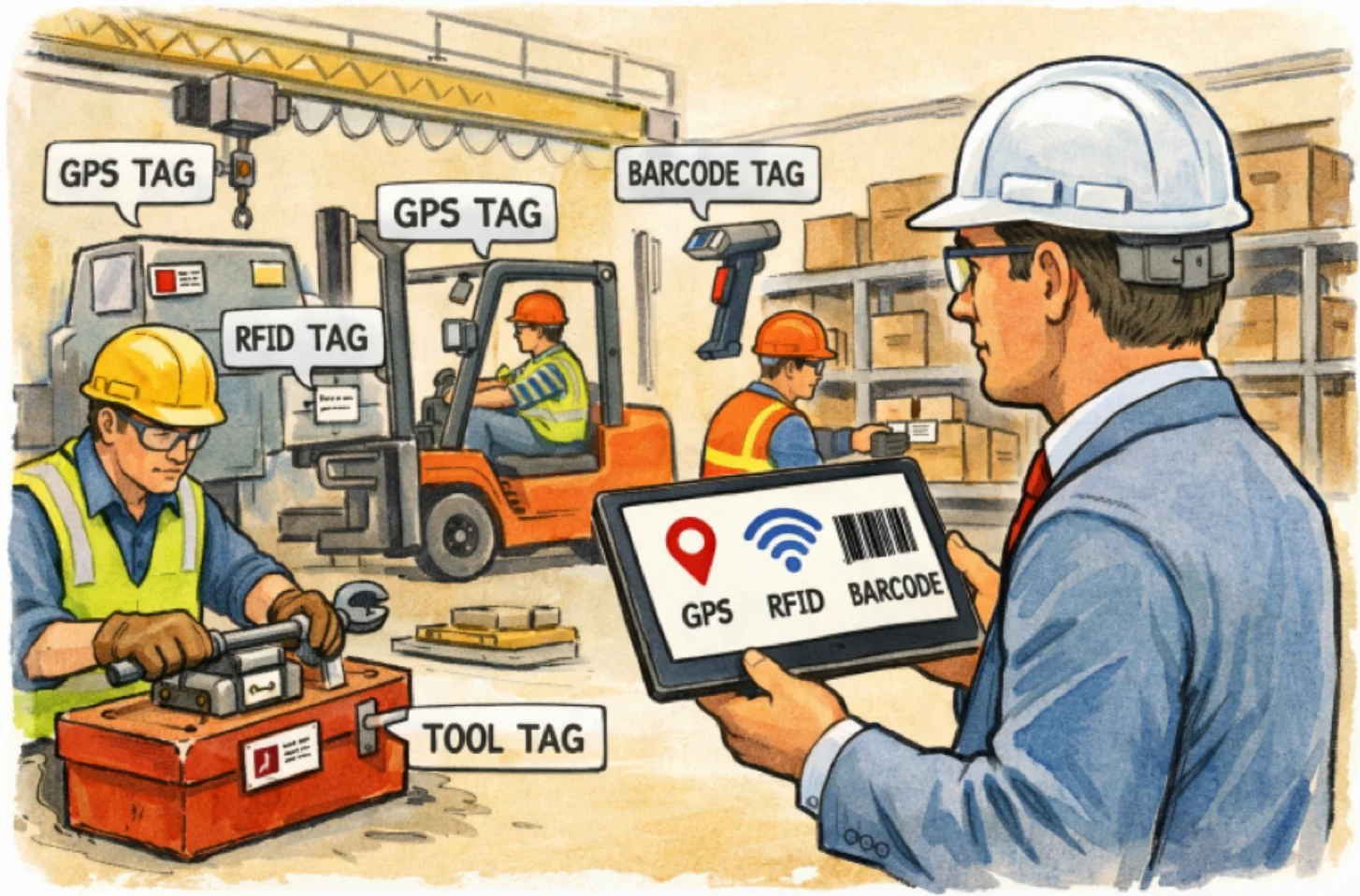
Automated asset tracking employs advanced tools such as RFID tags, GPS devices, and barcodes to record and monitor the movement, status, and utilization of physical assets. Unlike manual logs or spreadsheets, automated tracking systems feed continuous, accurate information into centralized databases. This approach eliminates the risk of human error, offering businesses a consistent, reliable method to oversee everything from hand tools to heavy machinery.
The strength of these systems lies in their ability to generate data in real time, supporting informed decision-making and proactive interventions. According to Forbes, automation in asset tracking not only streamlines operations but also supports compliance efforts and reduces costly downtime, which indirectly boosts workplace safety.
Key Benefits of Automated Asset Tracking for Workplace Safety
- Real-Time Monitoring: Safety relies on having up-to-date information. Automated systems continuously track asset locations and conditions, ensuring proper use and timely interventions if anything appears amiss.
- Preventive Maintenance: Tracking solutions enable predictive maintenance scheduling based on usage data, helping organizations avoid unexpected failures or hazardous breakdowns.
- Compliance Assurance: Accurate digital records support ongoing regulatory compliance and make audits far less daunting, reducing the risk of penalties or operational shutdowns due to missing documentation.
- Emergency Response: Knowing exactly where tools and equipment are at any given moment accelerates emergency responses and enables swift retrieval or shutdown procedures, mitigating overall harm.
Industries with complex safety requirements, such as manufacturing or resource extraction, find these systems particularly valuable. Automated tracking allows for complete visibility across wide or hazardous worksites, enabling managers and safety officers to stay fully aware of equipment status and personnel risk at all times.
Implementing Automated Asset Tracking: A Step-by-Step Guide
- Assess Organizational Needs: Begin with a thorough evaluation of your workplace’s unique safety challenges and objectives. Identify the most frequent or critical safety risks that could be mitigated through improved asset oversight.
- Select Appropriate Technology: With needs defined, select tracking solutions that match your operational environment. RFID works best for indoor tracking of handheld tools, while GPS can monitor vehicle fleets or large outdoor assets with greater accuracy.
- Integrate with Existing Systems: A smooth transition is essential for success. Ensure your chosen tracking technology integrates seamlessly with existing safety management or enterprise resource planning (ERP) systems, preventing data silos and workflow disruptions.
- Train Personnel: Spend time familiarizing employees with new tools and processes. Training should emphasize both system functionality and the direct impact automated tracking will have on workplace safety and their daily routines.
- Monitor and Evaluate: Once implemented, regularly audit the system’s effectiveness. Solicit feedback, analyze data for improvement opportunities, and remain responsive to evolving safety needs for long-term success.
Real-World Applications and Success Stories
Automated asset tracking has delivered tangible improvements in workplace safety across multiple industries. For example, in the construction industry, tools and heavy machinery are tagged with RFID chips that instantly update their location and maintenance status. This greatly reduces the risk of misplaced equipment and supports adherence to scheduled safety inspections.
In mining, organizations have seen marked decreases in unplanned equipment failures and accidents thanks to comprehensive tracking that delivers real-time status updates to supervisors and technicians. According to a case study published by Safety+Health Magazine, mines that deployed digital asset tracking systems reported significant gains in compliance and workplace safety standards.
Challenges and Considerations
Implementing automated asset-tracking systems is not without its hurdles. The initial investment in software, hardware, and training can be substantial, and there may be resistance from staff accustomed to older methods. Technical integration requires detailed planning to avoid operational disruptions or compatibility issues. Organizations must thoroughly assess their readiness and prepare a phased implementation plan that addresses budget, training, and ongoing support needs.
Furthermore, data privacy and cybersecurity considerations are increasingly significant. With more operational data being collected and transmitted digitally, companies must prioritize robust security protocols to protect sensitive information and reduce the risk of cyber incidents that could jeopardize safety systems.
Final Thoughts
Automated asset tracking offers organizations a more reliable, data-driven approach to securing their work environments. The resulting improvements in real-time oversight, maintenance management, regulatory compliance, and emergency response translate into safer and more efficient workplaces. For businesses committed to prioritizing safety while optimizing resource management, investing in automated asset tracking represents a strategic move with lasting benefits.

David Weber is an experienced writer specializing in a range of topics, delivering insightful and informative content for diverse audiences.