
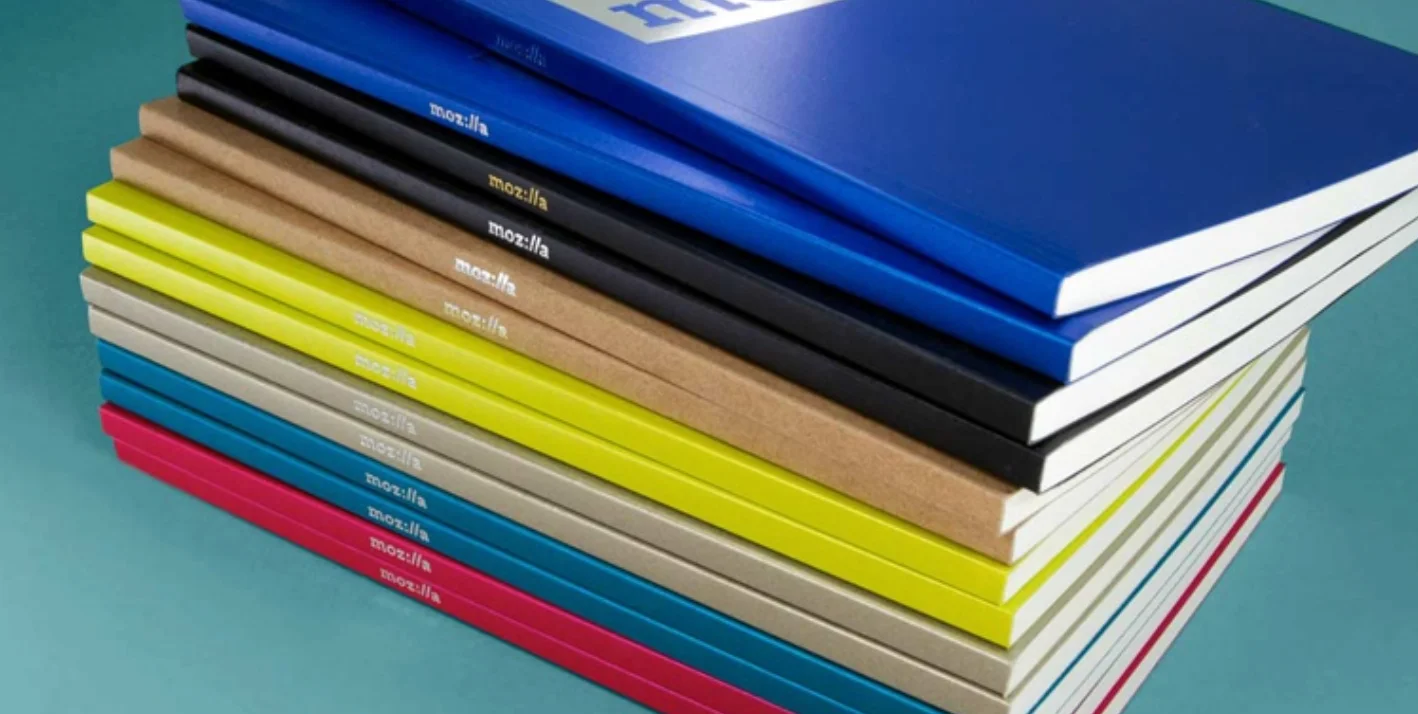
Perfect-bound book printing is a fundamental technique in today’s publishing world, delivering a blend of professional quality and cost-efficiency. Booklets and volumes produced with this method have become a standard for authors, publishers, and businesses looking for a polished product. For anyone searching for an expertly crafted solution, Printivity perfect bound booklets are an excellent resource to get started with designing and ordering high-quality bound materials.
This binding approach is preferred across industries, especially when both aesthetics and affordability are top priorities. The sharp, squared spine and seamless appearance create a finished look that instantly communicates credibility. Modern techniques, alongside improvements in adhesives and materials, have further cemented perfect binding as a mainstay for everything from novels to professional manuals.
Publishers and self-published authors alike appreciate that perfect binding supports a wide range of book sizes and thicknesses, making it adaptable for an array of creative and business projects. As print-on-demand and short runs become more common, this method enables production to happen swiftly without sacrificing quality or presentation.
Knowing the process and benefits of perfect binding helps guide decisions on which style best suits your content, purpose, and budget. Its mainstream adoption continues to rise, fueled by demand for durable yet attractive publications.
Understanding Perfect Binding
Perfect binding is a process in which printed sheets are stacked, the spine edge is roughened to improve adhesion, and a heavy-duty glue is used to keep the pages together within a wraparound cover. The book is then trimmed on three sides, so its edges are flush and even, resulting in the clean, crisp appearance that sets perfect-bound books apart from other binding styles. This binding process is most famously seen in trade paperback books, but it’s also common in thick magazines, catalogs, and academic publications.
A notable advantage of perfect binding is the ability to customize the cover and spine, enabling branding, book titling, and design elements that enhance shelf presence and professionalism. With modern printing technology, vibrant full-color images and graphics can be printed directly on the cover, creating a visually stunning finished product ready for retail or corporate use.
Advantages of Perfect Bound Books
Perfect bound books are favored in the publishing industry for several compelling reasons. First is their refined, professional appearance. The squared-off spine not only looks sophisticated but also provides a printable surface for titles and branding, increasing a book’s visibility on shelves or in display settings. This feature is especially valuable for fiction and non-fiction publishers who want their titles to stand out in bookstores or libraries.
The cost-effectiveness of perfect binding is another key benefit. It is more affordable than hardcover options yet offers more resilience than simple saddle-stitching, making it accessible for self-publishers, small businesses, and organizations producing training manuals or marketing materials. Advances in adhesive technology have played a leading role in transforming perfect-bound books into highly durable volumes. Modern glues ensure that, under normal use, the spine holds together well and the pages remain intact, even with frequent flipping and handling.
This binding solution is also highly versatile. It accommodates a wide range of genres and sectors, from literature and corporate communications to educational materials and extensive product catalogs. As more professionals and organizations seek effective ways to present extensive information in a compact format, perfect binding remains an optimal choice.
Considerations for Perfect Binding
Despite its many strengths, perfect-bound books require specific considerations before committing to this binding process. One of the most important factors is page count. Perfect binding generally works best for books with at least 48 pages, and it can handle thicknesses of more than 600 pages depending on paper stock and glue.
Another limitation is the lay-flat ability. Perfect-bound books do not naturally open flat, which may make them less ideal for certain uses, such as workbooks or reference manuals that require hands-free viewing or frequent note-taking. Over time, and with especially heavy use, the spine may develop cracks, and in rare cases, individual pages may loosen or fall out. For projects requiring longer use or frequent access, it might be worth comparing with alternatives such as spiral or wire binding.
Applications of Perfect Bound Books
The applications of perfect-bound book printing are diverse and far-reaching. The most common use is for trade paperback books, which benefit from the sleek, professional look and simple manufacturing process. Annual reports for businesses use perfect binding to convey a polished, credible image, especially when they need to be presented to stakeholders or clients. Catalogs with substantial content, such as product listings or art collections, also use this method for both durability and aesthetics.
Educational manuals and training materials find perfect binding to be the right balance between affordability and high-quality presentation. With customized covers and clear branding, these materials support branding efforts and help guide users through the information in a reader-friendly format. Its adaptability and cost-performance make perfect binding an ongoing favorite for publishers needing impactful results for substantial content.
Conclusion
Perfect-bound book printing remains a critical option in the modern publishing landscape, supporting a variety of needs across fiction, non-fiction, business, and education. The process brings together a visually attractive finish, practical costs, and flexibility in format. By appreciating both the strengths and limitations of perfect binding, publishers and organizations can create books and materials that impress visually and withstand frequent handling. As innovation in materials and print-on-demand services continues to advance, the future for perfect-bound publications looks as promising as ever.

David Weber is an experienced writer specializing in a range of topics, delivering insightful and informative content for diverse audiences.
Gambling takes many forms across the world, from lotteries and sports betting to poker rooms and slot machines. Platforms supporting online inpay casino payments have expanded access to these options. Card games, bingo, and roulette remain among the most widely recognized traditional formats.