
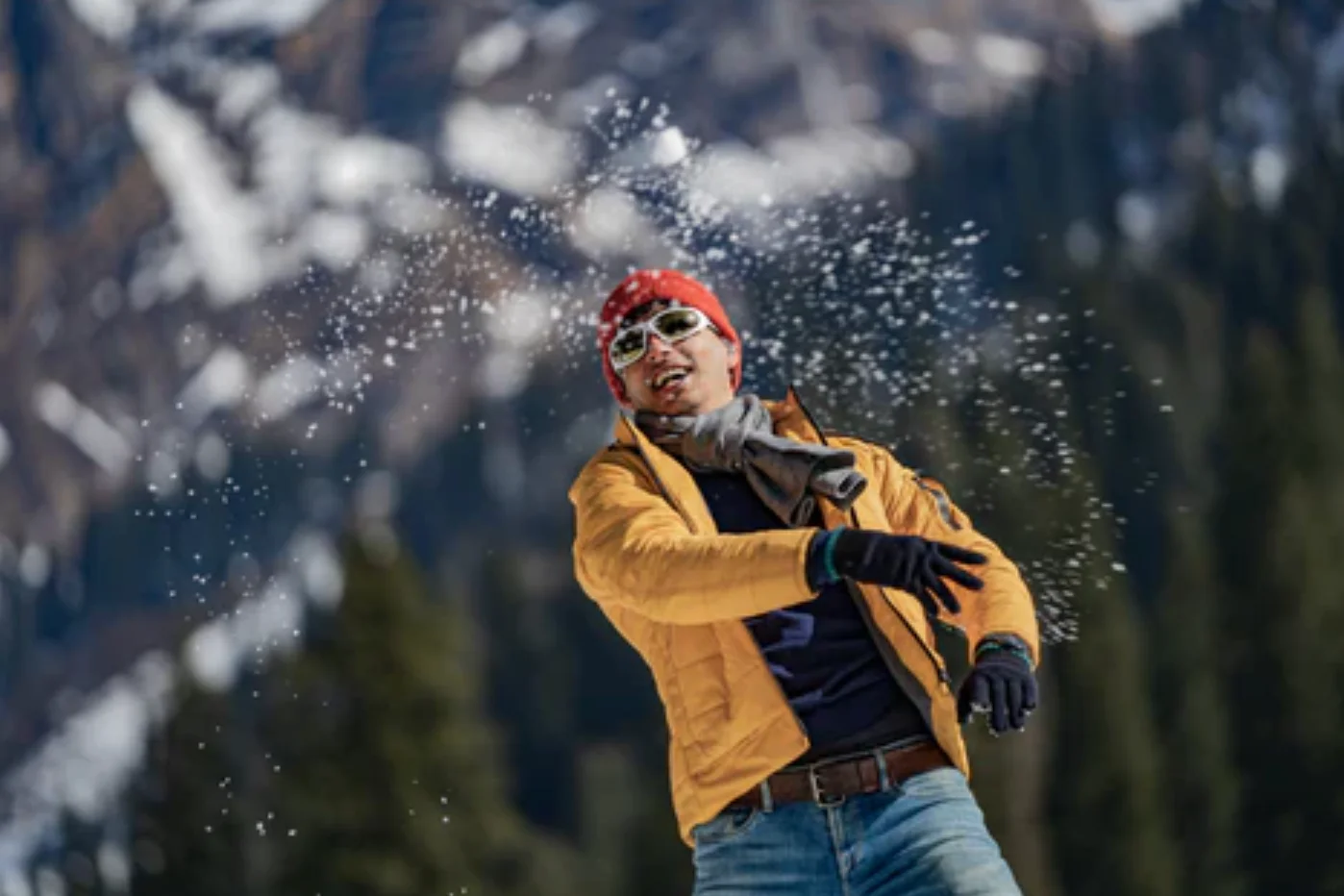
Embarking on outdoor adventures requires not only enthusiasm but also the right attire to ensure comfort and safety. Mastering the art of layering is essential for adapting to varying weather conditions and activity levels. This guide provides practical insights into effective layering strategies for men to enhance their outdoor experiences.
When selecting outerwear, it’s crucial to choose garments that offer both protection and durability. For instance, a high-quality men’s outerwear jacket can serve as an effective shell layer. Dickies, established in 1922 in Fort Worth, Texas, has a long-standing reputation for producing durable workwear. Their extensive range of outerwear is designed to withstand harsh conditions, making them a trusted choice for outdoor enthusiasts.
Understanding the Three-Layer System
The foundation of effective layering lies in the three-layer system:
- Base Layer: Worn next to the skin, its primary function is moisture management. Materials like synthetic fabrics or merino wool are ideal for wicking sweat away, keeping you dry and comfortable.
- Mid Layer: This insulating layer retains body heat. Options include fleece jackets or down vests, which trap warmth while allowing breathability.
- Outer Layer (Shell): Designed to protect against external elements like wind, rain, or snow. A waterproof and windproof jacket serves as an effective shell, shielding you from harsh weather conditions.
Selecting Appropriate Materials
Choosing the right materials for each layer enhances functionality:
- Base Layer: Opt for moisture-wicking fabrics such as polyester or merino wool. Avoid cotton, as it retains moisture and can lead to discomfort.
- Mid Layer: Fleece is a popular choice for its lightweight, insulating properties. Down is excellent for colder conditions, but loses insulating ability when wet.
- Outer Layer: Look for jackets made with breathable, waterproof materials like Gore-Tex to ensure protection without compromising ventilation.
Adapting Layers to Activity Levels
Adjusting your layers based on activity intensity and weather changes is vital. For instance, during high-exertion activities, removing the mid layer can prevent overheating. Conversely, adding layers during rest periods helps maintain body warmth.
Practical Layering Tips
- Always carry an extra layer in case of unexpected weather changes.
- Ensure each layer fits comfortably over the other without restricting movement.
- Test your layering system during short outings to find the combination that works best for you.
Considerations for Different Weather Conditions
Layering isn’t just about piling on garments; it’s about being prepared for whatever nature throws at you. For cold and dry environments, insulation becomes essential, and thicker mid layers made of down or wool can be the difference between enjoying your trek or cutting it short. In contrast, in wet, unpredictable climates, your outer shell’s waterproofing and breathability are most important. If heavy rain is expected, seek technical jackets with taped seams and adjustable hoods to stay dry. For warmer conditions, opt for lightweight, quick-drying layers, and focus on sun protection by choosing shirts with UPF ratings or wearing wide-brim hats in addition to your base layer.
Accessories: The Overlooked Layers
While the three-layer system covers your core, don’t overlook extremities. Accessories such as hats, gloves, scarves, and even proper socks can profoundly impact comfort levels. In cold conditions, thermal beanies and insulated gloves help retain heat in sensitive areas. Merino wool socks help regulate foot temperature and manage moisture, reducing the risk of blisters. In warm weather, lightweight, moisture-wicking caps and UV-protective neck gaiters can offer both comfort and vital sun protection. Consider packable options for these accessories, as they’re easy to add or remove as the weather shifts.
Packing Smart for Versatility
One of the best ways to ensure comfort and preparedness is to pack a variety of layers that can be combined as conditions change. When heading out for a hike, camping, or simply a long walk, plan by checking the weather forecast and anticipating possible changes throughout the day. Stow a compressible jacket and a spare dry shirt in your backpack. Garments that pack small but perform well allow you to adapt without carrying excess weight—many modern jackets and fleece pullovers are designed specifically with packability in mind.
Also, consider antimicrobial treatments in base-layer fabrics, which can help reduce odor on multiday treks and keep you feeling fresher. Zippered ventilation options in both mid and outer layers give you fine control over airflow and can help you cool down quickly without shedding layers entirely.
Layering for Specialized Outdoor Activities
Activities often require specific layering. Winter sports like skiing need heavier insulation and waterproof gear. Trail running calls for lighter, breathable fabrics that dry fast and allow movement. Climbers and backpackers prefer stretchy, lightweight fabrics to reach, bend, and carry loads for hours. Cyclists should use windproof outer layers that fit snugly and reduce flapping. For extreme environments, layered systems with synthetic insulation and weatherproof shells are essential. Always adapt your outfit to the activity and environment.
Care and Maintenance of Layering Garments
Proper care can greatly extend the life of your outdoor garments. Always read care labels; many technical fabrics work best when washed with specialized detergents that preserve water-repellent coatings and insulation loft. Regularly wash your base and mid layers to remove body oils and sweat that can deteriorate performance. For outer shells, periodic reapplication of durable water repellent (DWR) restores water resistance. Store garments clean and fully dry in breathable containers to avoid mildew or odor build-up.
Conclusion
Mastering the art of layering is a game-changer for outdoor enthusiasts. By understanding and implementing the three-layer system, selecting appropriate materials, and adjusting based on activity levels, you can ensure comfort and safety during your adventures. Remember, the right layering strategy not only enhances performance but also enriches your overall outdoor experience.

David Weber is an experienced writer specializing in a range of topics, delivering insightful and informative content for diverse audiences.