
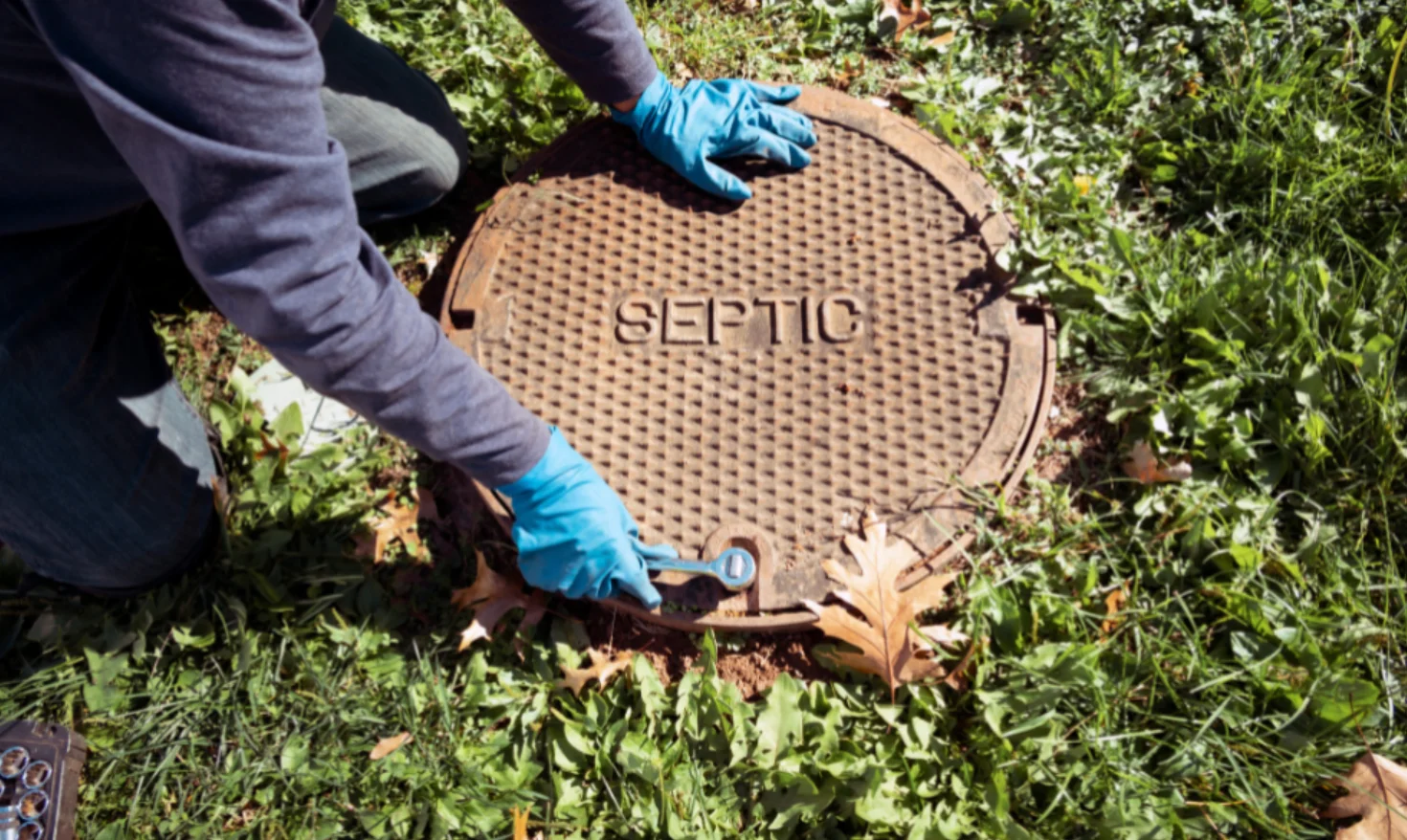
Maintaining your septic system is about more than odor control; it’s an investment in the longevity of your property and the health of your family. By making septic system upkeep part of your regular routine, you not only avoid disruptive issues but also protect your wallet from expensive repairs down the road. For anyone looking into septic system installation and repair in Cincinnati, learning about the benefits of preventative care is essential to ensure your system’s reliability and efficiency.
The ongoing functionality of your septic system depends on practices that help you catch problems early. Rather than waiting for warning signs to become emergencies, routine maintenance can save you significant time and money. A proactive approach also helps maintain your property’s value, helping you avoid the most severe and expensive situations often associated with septic failure.
Responsible maintenance supports environmental preservation and public health. Untreated wastewater can cause problems far beyond your property line, contaminating water supplies and harming natural resources. Regularly checking and servicing your system significantly reduces such risks, making it a key step in sustainable homeownership.
Understanding Septic Systems
Septic systems are underground wastewater treatment solutions commonly found in rural and suburban areas without access to centralized sewage systems. They usually consist of a septic tank and a drain field. Wastewater from your home travels to the tank, where solids settle to the bottom, and the liquid effluent flows into the drain field for further purification by the soil. When the components of your system are operating as designed, wastewater is treated efficiently, preventing contamination. The system’s effectiveness, however, depends on consistent and proper maintenance.
The Importance of Regular Maintenance
Regular maintenance holds three key advantages for homeowners:
- Extending System Lifespan: Septic systems can last for several decades if properly maintained. Without routine care, parts can fail prematurely, requiring costly replacements years earlier than necessary.
- Preventing Costly Repairs: Smaller, routine expenses for care and minor repairs stave off unexpected financial burdens associated with system failures or environmental cleanups.
- Protecting Property Value: A proven, well-maintained septic system reassures buyers and maintains the worth of your property. Malfunctioning systems can stall or complicate real estate transactions.
Proactive attention to minor plumbing anomalies can prevent significant underground failures that often go unnoticed until they become expensive emergencies. While routine pumping handles the accumulation of sludge, structural integrity within the tank and the distribution box must also be evaluated to avoid ground saturation or structural collapse. Homeowners who prioritize professional septic repair services in Loganville find that early intervention typically preserves the drain field’s capacity and prevents hazardous environmental contamination. By ensuring that every baffle and seal is in optimal condition, you effectively shield your property investment from the prohibitive costs associated with full system replacements. This level of diligence transforms reactive troubleshooting into a sustainable long-term management strategy for any household.
Common Maintenance Practices
The following steps are essential for anyone striving to keep a septic system running smoothly:
- Regular Pumping: Schedule tank pumping every three to five years, depending on system size and household usage. Removing solid buildup prevents backups and mechanical failure.
- Water Conservation: Practice responsible water use; stagger laundry loads and fix leaky faucets to minimize flooding the system and overloading the drain field.
- Proper Waste Disposal: Never flush wipes, hygiene products, or chemicals down the drain. Grease and non-biodegradable items can gradually clog pipes and harm beneficial bacteria in the tank.
- Protecting the Drain Field: Do not park vehicles or build structures over the drain field, as this can compress soil and potentially rupture pipes.
Signs Your System Needs Attention
Be observant and look for these early warning signals of septic trouble:
- Slow drains or toilets refilling more sluggishly than normal.
- Persistent, unpleasant odors around the tank or drain field area.
- Standing water or overgrown green spots near the drain field.
- Gurgling sounds in plumbing or septic lines.
Addressing these concerns quickly can prevent more severe issues that may require extensive repairs.
The Costs of Neglecting Maintenance
Failing to properly maintain your septic system can result in steep costs. System repairs or replacements can range from $5,000 to $15,000, with advanced or alternative setups costing even more. Meanwhile, regular maintenance visits, including inspections and pumping, typically range from $250 to $500 every 3 to 5 years, offering far better value in the long term. According to this Family Handyman resource, preventative maintenance is a proven strategy to avoid such costly repairs and extend the functional lifespan of your system.
Environmental and Health Impacts
When a septic system fails, untreated sewage can enter groundwater and local waterways, posing a risk to public health and the ecosystem. Contaminated water can spread disease and contribute to excessive nutrient loads in lakes and rivers, leading to problems such as algal blooms and fish kills. Keeping your septic system in top shape is crucial to preventing these scenarios. Regular maintenance practices keep your property and community safe from hazardous contamination and environmental degradation.
Professional Inspections vs. DIY
While most homeowners can manage basic tasks such as mindful waste disposal and water conservation, hiring a septic professional for routine inspections every one to three years is recommended. Septic experts have the tools and knowledge to identify slow-building problems early. Combining your own efforts with professional oversight is the best way to ensure your system continues to operate reliably.
Final Thoughts
Investing in regular septic system maintenance pays off in longevity, peace of mind, and savings. By sticking to proven care routines, you reduce your risk of costly emergencies, maintain your property’s value, and contribute to a cleaner, safer environment. Take proactive steps to ensure your septic system provides years of reliable service.

David Weber is an experienced writer specializing in a range of topics, delivering insightful and informative content for diverse audiences.