
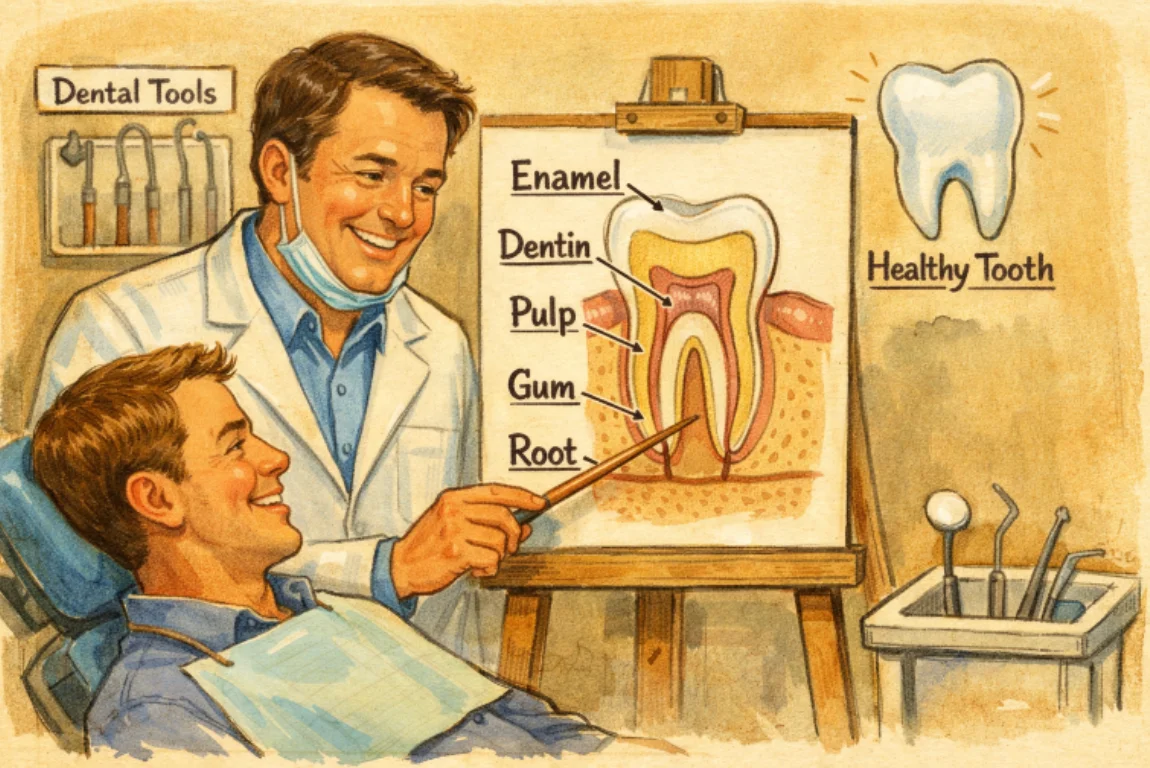
Root canal therapy, once viewed with apprehension, has significantly evolved due to scientific breakthroughs and advanced technologies. This procedure is now recognized as a safe, reliable way to save natural teeth and support comprehensive well-being. Today, endodontics stands at the forefront of dental innovation, helping millions preserve their smiles and functionality with minimal discomfort.
Many patients now find root canal treatments surprisingly straightforward and comfortable. Cutting-edge diagnostic methods, anesthetics, and specialized dental materials have collectively improved the treatment experience, making it similar to other common dental procedures in terms of comfort and recovery.
Evolution of Root Canal Therapy
The transformation of root canal therapy over recent decades has addressed long-standing issues with pain, duration, and post-procedure complications. Early root canals often required multiple visits and could involve considerable discomfort. Modern-day techniques have drastically improved patient outcomes. Rotary instrumentation made from nickel-titanium, for example, allows dentists to clean and shape canals more precisely and efficiently. Enhanced local anesthetics have further reduced pain, while procedural protocols help prevent infections and structural complications.
The origins of root canal therapy date back over a century, when primitive techniques and limited knowledge often resulted in incomplete treatments and less predictable outcomes. Thankfully, continuous investments in scientific research have led to streamlined techniques. The training required for endodontists has also expanded, ensuring that practitioners have specialized knowledge tailored to the nuances of contemporary care. Over time, regulatory agencies and professional organizations have established standardized treatment guidelines, leading to improved procedural safety across all dental care settings. This ongoing evolution underscores the dedication within the dental field to optimizing patient experiences and maximizing long-term success rates. As dental materials and practitioner education continue to advance, the positive trajectory for root canal therapy is set to continue for generations to come.
Modern Techniques and Technologies
Today’s endodontic procedures benefit from advanced technologies not available a generation ago. Digital imaging provides high-resolution views of the tooth’s interior structure, aiding in diagnosis and treatment planning. Ultrasonic instruments allow for deep cleaning and more effective removal of infected tissue. New biocompatible filling materials ensure that canals are sealed tightly, greatly reducing the chance of bacterial reinfection. As outlined by the American Association of Endodontists, these advances collectively translate into safer, faster, and more successful procedures for patients.
Additionally, the rise of 3D cone-beam computed tomography (CBCT) has streamlined diagnosis and treatment planning even further. This imaging innovation enables clinicians to visualize complex canal structures in remarkable detail, reducing the risk of missing hidden anatomy and allowing highly customized care tailored to each patient’s unique dental features. Innovative endodontic operating microscopes enlarge and illuminate the tiny internal spaces of teeth, giving practitioners greater precision and reducing the risk of procedural errors. With these tools, root canal therapy has become notably more accurate and less invasive, replacing the sometimes uncertain outcomes of the past with predictable and consistently successful results.
Benefits Beyond Tooth Preservation
While the primary purpose of root canal therapy is to preserve natural teeth, its health benefits extend well beyond the mouth. Dental infections are linked to broader health concerns such as chronic inflammation and systemic infections. Recent scientific findings suggest that effective treatment of dental infections can improve blood sugar levels in diabetic patients and may even lower the risk of heart disease. Addressing dental abscesses and related infections through root canal therapy can play a pivotal role in overall well-being.
This intersection between oral and systemic health is gaining increasing attention in both medical and dental communities. Root canal therapy’s contribution to halting the spread of infection throughout the body is now more widely recognized. For patients with immunocompromising conditions or chronic health issues such as cardiovascular disease, proactive dental care, including timely endodontic intervention, can be pivotal in maintaining general well-being. By preserving the natural tooth’s structure and function, patients are less likely to encounter complications with speech, diet, and even self-esteem. Such holistic impacts affirm root canal therapy as an essential aspect of preventive and restorative healthcare strategies.
Patient Experiences and Quality of Life
Patients commonly report dramatically improved comfort, chewing function, and confidence after modern root canal treatment. According to a study published in the Journal of Endodontics, individuals were able to return to normal eating patterns and daily activities sooner than those who opted for extraction and replacement. These findings are echoed in patient testimonials and clinical reviews, underscoring how far these procedures have come in enhancing daily quality of life.
Moreover, positive patient experiences have contributed to diminishing stigma and anxiety often related to root canal therapy. Increased public awareness and patient education, in combination with caring, communicative dental practitioners, are empowering people to approach treatment with peace of mind. The quick recovery time and excellent long-term outcomes have highlighted just how profoundly root canal therapy can restore daily enjoyment of eating, speaking, and smiling. For those who once feared dental visits due to outdated perceptions, modern endodontic care offers reassurance, while also fostering broader trust in the dental profession as a whole.
Common Misconceptions Debunked
Many misconceptions about root canal therapy linger despite years of advancement. The belief that root canals are excessively painful or less effective than extraction is outdated. In reality, the majority of patients experience little to no pain thanks to modern anesthetics and gentle techniques. Preserving natural teeth is often preferable to extraction, since keeping your own tooth helps maintain jawbone integrity and oral function in ways that artificial replacements cannot fully replicate. Misinformation about post-treatment risks is also unfounded, as success rates for properly performed root canals are now very high.
Additional misconceptions, such as the supposed link between root canal therapy and systemic illness, have been debunked by extensive clinical evidence and scientific studies. Leading academic institutions and healthcare organizations now emphasize that properly performed root canal treatment has an excellent prognosis and is not associated with increased risk of systemic disease. By reviewing accurate, up-to-date information provided by professionals and trusted health organizations, patients can confidently choose root canal therapy when recommended by their dentist, secure in the knowledge that the science supports its safety and effectiveness.
Future Directions in Endodontics
Research in endodontics is turning toward regenerative therapies that could someday replace traditional root canal procedures entirely. Scientists are exploring ways to use stem cells and growth factors to restore the tooth’s natural pulp tissue, which would allow teeth to heal and regenerate just like other tissues in the body. Breakthroughs in this area could revolutionize dental care, making it possible to save teeth that are currently not treatable. Ongoing studies and clinical trials are being closely watched as they may soon introduce a new era in dental treatment.
Another promising frontier is the development of antimicrobial nanomaterials designed to further reduce the risk of post-procedure infection and to encourage biological healing from within the tooth. Artificial intelligence is also being integrated into diagnostic and treatment planning tools, facilitating even more accurate assessments and optimized outcomes. As the field of endodontics continues to expand through research and innovation, future dental patients can look forward to increasingly customized, effective, and gentle care options that suit their evolving needs.
Conclusion
Root canal therapy has evolved into a routine, patient-friendly treatment that plays a crucial role in preserving dental and overall health. Thanks to technological advancements, the procedure is now comfortable, quick, and highly successful, offering patients lasting relief and a restored quality of life. Understanding these developments can help individuals make informed choices about their dental care journey.
As new technologies and educational campaigns continue to shape public perception, root canal anxiety will likely continue to decline. The ongoing partnership between patients and their endodontists, rooted in communication and shared decision-making, reflects the best of modern dental care: individualized, evidence-based, and focused on promoting lifelong health and well-being.

David Weber is an experienced writer specializing in a range of topics, delivering insightful and informative content for diverse audiences.