
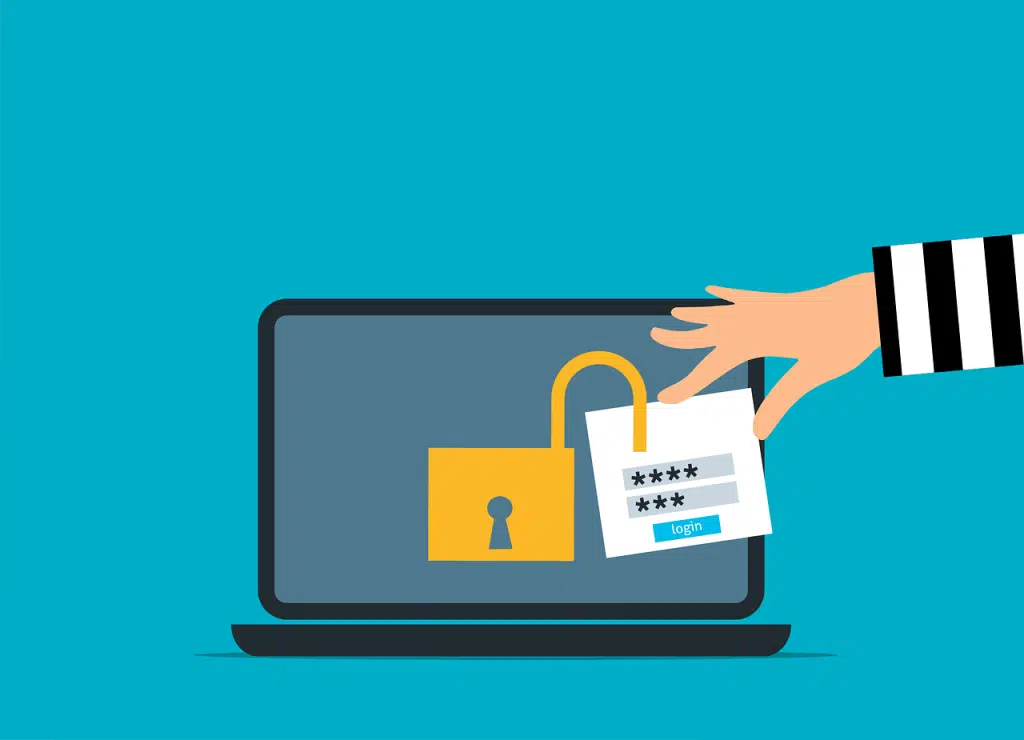
The Password Problem Nobody Solved Properly
For years, internet users were told the same thing: create strong passwords, avoid reusing them, and change them regularly. In theory, the advice made sense. In reality, it created an impossible situation. Most people today manage dozens, sometimes hundreds, of accounts across banking platforms, shopping sites, work tools, streaming services, and cloud applications. Remembering unique credentials for each one is unrealistic without assistance.
As a result, password reuse became the norm. One leaked password from a forgotten forum or outdated app can suddenly unlock access to email accounts, payment services, and business systems. Cybercriminals know this, which is why credential-stuffing attacks remain one of the most effective techniques online.
Convenience Quietly Became a Security Risk
The modern internet rewards convenience. Browsers offer to save passwords automatically. Phones remember login sessions indefinitely. Shared household devices blur the boundaries between personal and professional accounts. While these features simplify daily life, they also increase exposure.
A browser-stored password may seem harmless until a compromised device, malicious extension, or phishing attack exposes everything at once. The issue is no longer whether users create strong passwords; it is whether they can manage them securely across ecosystems that constantly demand faster access.
This shift is one reason password managers evolved from niche tools into mainstream security infrastructure.
Security Tools Are Now Competing on Everyday Usability
Early password managers focused almost exclusively on encryption. Today, the competition revolves around usability as much as protection. Users expect seamless autofill, device synchronization, biometric login support, encrypted sharing, and security alerts without friction.
The growing debate around NordPass vs Dashlane reflects how consumers now evaluate password managers less like technical utilities and more like long-term digital productivity tools. Questions about interface design, cross-platform compatibility, password health reporting, and login performance matter just as much as encryption algorithms.
That change reveals something important about cybersecurity itself: people rarely adopt systems that complicate their routines, even if they are technically superior.
Why Businesses Are Paying Closer Attention
Password mismanagement is no longer viewed as an individual problem. Companies increasingly recognize it as an operational and legal risk. Employees often reuse credentials between personal and professional accounts, creating vulnerabilities that extend far beyond a single user.
When access credentials are shared through spreadsheets, messaging apps, or email threads, accountability disappears. Offboarding becomes chaotic. Former employees may retain access to systems long after departure simply because nobody updated the shared credentials.
This is especially problematic in remote and hybrid workplaces where teams operate across multiple locations and devices. A single compromised login can expose sensitive internal systems without triggering obvious warning signs.
As a result, organizations are prioritizing centralized credential management and access visibility as part of broader cybersecurity strategies.
The Rise of Passwordless Authentication Isn’t Here Yet
Technology companies often claim passwords are disappearing. Biometric authentication, passkeys, and hardware-based login systems are gaining traction, but passwords still dominate digital infrastructure. Most online services continue to rely heavily on traditional credentials.
The transition toward passwordless systems is also uneven. Large platforms may support advanced authentication methods, while smaller services continue using outdated login practices. This creates a fragmented environment where users must manage both modern and legacy systems simultaneously.
Until authentication standards become more universal, password managers remain one of the few practical tools capable of bridging that gap securely.
Phishing Attacks Have Become More Convincing
One major reason password theft remains effective is that phishing has evolved dramatically. Attackers no longer rely on poorly written emails filled with obvious errors. Modern phishing campaigns often imitate legitimate services almost perfectly, including branding, domains, and login pages.
Some attacks even target password managers directly by tricking users into entering credentials on fake sites. However, reputable password managers can reduce this risk by recognizing legitimate domains and refusing to autofill credentials on fraudulent pages.
This subtle layer of protection matters because many cyberattacks succeed not through sophisticated hacking, but through small moments of human error.
Digital Identity Has Become Financial Infrastructure
Passwords no longer protect only social media accounts. They secure banking access, investment platforms, tax records, healthcare information, and business communications. In practical terms, login credentials now function as part of a person’s financial identity.
This changes the stakes considerably. A compromised email account can trigger password resets across dozens of connected services. An attacker who gains access to cloud storage or payment systems may cause financial damage long before the victim notices suspicious activity.
Because of this interconnectedness, credential security increasingly resembles financial risk management rather than simple IT hygiene.
The Hidden Cost of Weak Credential Habits
Data breaches rarely happen because encryption failed entirely. More often, attackers exploit reused passwords, weak authentication practices, or compromised credentials from older breaches. Many people remain unaware their passwords have circulated in underground databases for years.
The long-term consequences extend beyond immediate financial loss. Identity theft, reputational damage, business disruption, and regulatory exposure can all emerge from something as simple as poor password organization.
For businesses, the impact can be even broader. A single compromised employee account may disrupt operations, expose customer information, or trigger compliance investigations under privacy regulations.
Security Is Increasingly About Reducing Friction
One reason cybersecurity policies fail is that they often conflict with human behavior. If security systems slow people down, users create shortcuts. They write passwords on paper, reuse credentials, or bypass official tools entirely.
Modern password management solutions succeed when they reduce friction instead of increasing it. Autofill features, encrypted synchronization, and intuitive access management encourage secure behavior naturally, rather than relying on constant reminders and training sessions.
That balance between usability and protection has become one of the defining challenges of digital security today. Systems that integrate smoothly into everyday routines are far more likely to be adopted consistently, which ultimately makes them more effective than rigid policies people ignore.
