
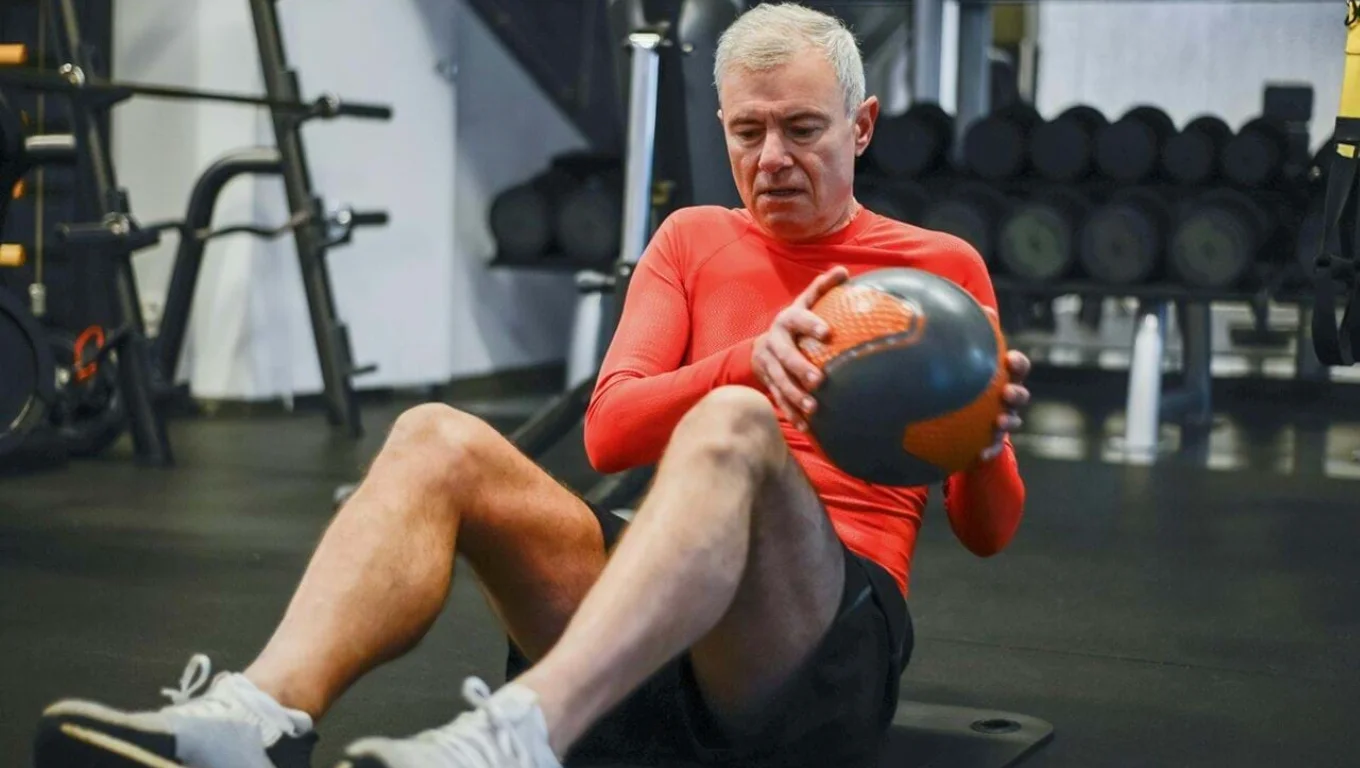
Strength training is fundamental for improved fitness, but high-impact exercises are not suitable for everyone. For many people, especially those with sensitive joints or specific medical conditions, low-impact strength training offers a powerful alternative. By focusing on controlled, deliberate workouts, you can enhance endurance, build muscle, and boost overall health, while reducing the risk of joint strain or injury. Whether you are new to exercise or simply seeking a safer routine for your body, low-impact approaches can yield impressive results. For those interested in bringing their training home, consider working with a home gym contractor to create a comfortable and effective exercise environment tailored to your needs.
Rather than relying on movements that jar the body or put excess stress on knees, hips, or wrists, low-impact strength training emphasizes joint protection. This makes it an ideal option for all ages and fitness levels. By making small modifications to traditional strength routines, you can still benefit from regular resistance training without compromising your joint health or mobility.
Understanding Low-Impact Strength Training
Low-impact strength training focuses on exercises that avoid sudden or repetitive forces, which are often associated with injury. Key to this approach is performing movements that are smooth and controlled, minimizing wear and tear on the body’s joints. These workouts are recommended for anyone with arthritis or osteoporosis, or for anyone who simply wishes to avoid the risks associated with high-impact activity. This form of exercise improves strength, mobility, and function without sacrificing safety or comfort.
Benefits of Low-Impact Strength Training
Committing to a regular low-impact strength regimen can bring an array of benefits that go beyond muscle building:
- Joint Protection: By eliminating excessive impact, the chance of joint injuries and discomfort drops significantly.
- Preservation and Growth of Muscle Mass: These exercises remain effective for muscle building and maintenance, which are crucial for metabolic health and mobility.
- Enhanced Balance and Coordination: Strengthening key muscle groups improves balance, a vital factor in fall prevention, especially in older adults.
- Increased Exercise Accessibility: This approach opens the door for beginners and those with physical limitations to enjoy the benefits of regular training.
Effective Low-Impact Strength Exercises
Incorporating the following low-impact exercises into your routine delivers significant results while protecting your joints:
- Goblet Squats: Performed with a dumbbell held close to the chest, they target the quads, glutes, and core, placing less strain on knees than traditional squats.
- Reverse Lunges: These moves place less force on the knee joint by stepping backward rather than forward, making them easier on sensitive joints.
- Elevated Push-Ups: By elevating the hands on a bench or sturdy surface, wrist pressure is reduced, while still activating the upper-body muscles.
- Banded Rows: Resistance bands are gentle on the joints, and the rowing motion strengthens the upper back, improving posture and function.
- Dumbbell Romanian Deadlifts: With a focus on slow, controlled movement, these deadlifts recruit the glutes and hamstrings without straining the lower back.
These exercises are strongly endorsed by experts for being both effective and gentle.
Designing a Low-Impact Workout Routine
To get the full benefits from your workouts, follow a simple but structured approach:
- Warm-Up: Start with gentle mobility exercises, such as arm circles or leg swings, to warm up your body.
- Exercise Selection: Choose movements that target major muscle groups, like the ones above, but ensure they do not involve pounding, jumping, or abrupt directional changes.
- Repetitions and Sets: Aim for two or three sets of 10 to 15 repetitions per movement, adjusting as you grow stronger.
- Rest Periods: Incorporate brief rest periods between sets to prevent excessive fatigue and maintain proper form.
- Cool Down: Gentle stretching or foam rolling improves flexibility and aids recovery following your workout.
Incorporating Equipment
While low-impact routines often begin with bodyweight exercises, accessible tools can add challenge and variation:
- Resistance Bands: Offer customizable resistance and are easy to adapt for any fitness level or exercise.
- Light Dumbbells: Help build strength without putting too much force on the joints.
- Stability Balls: Add an element of instability to engage core muscles and further improve balance.
These tools are versatile and can be used to either make exercises more approachable or add intensity as your abilities increase.
Consistency and Progression
Adhering to a regular schedule is the cornerstone of any effective training plan. Performing low-impact strength training twice or three times a week can produce notable improvements in strength and mobility. To continue progressing, try increasing resistance levels, adding more repetitions, or gradually introducing new variations. This strategic progression ensures ongoing muscle adaptation and improvement, all while protecting your joints from undue stress or injury.
Conclusion
Low-impact strength training provides a safe, effective way to build stronger muscles, improve endurance, enhance balance, and improve overall fitness. By carefully selecting exercises and maintaining consistency in your routine, you can achieve significant health benefits while keeping your joints healthy and pain-free. Embrace these techniques as part of your long-term fitness journey and enjoy the rewards of getting stronger without risking joint damage.

David Weber is an experienced writer specializing in a range of topics, delivering insightful and informative content for diverse audiences.