
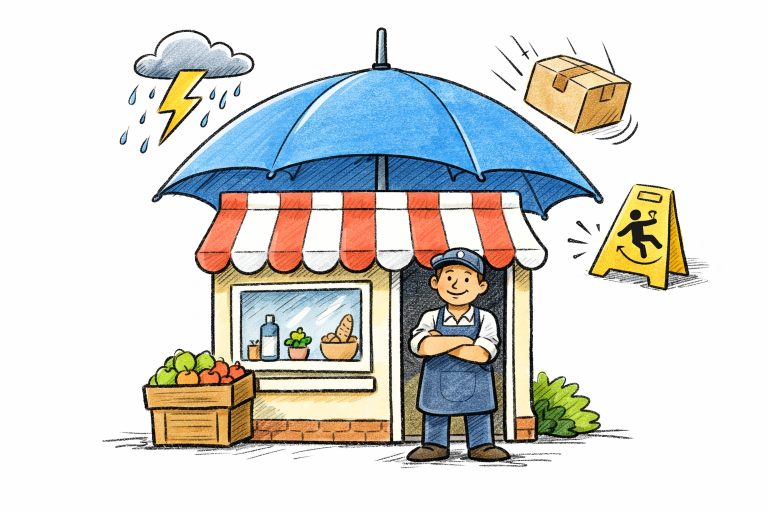
Running a small business is both rewarding and challenging. Amidst the daily demands of operations, safeguarding your venture against unforeseen events becomes a crucial part of long-term success. One major protection tool for your business is insurance. Understanding the fundamentals of insurance can be the difference between a minor setback and a major financial crisis. For in-depth options and easy quoting, explore https://www.thehartford.com/business-insurance as a starting point for small business coverage.
Business insurance is designed to serve as a safety net during events that could potentially threaten your company’s financial health. From customer injuries to natural disasters, coverage ensures that these scenarios do not threaten your livelihood. As risks evolve, periodically revisiting your insurance policies is critical for maintaining robust protection.
A business owner’s journey is filled with unknowns, from accidents to legal claims and regulatory changes. Reliable insurance is not just about compliance, but about smart risk management for the future. Awareness and understanding of the types, cost, and methods to tailor your insurance coverage can provide peace of mind while you focus on growth and innovation.
For more information on what business insurance can and can’t do for your small operation, the U.S. Small Business Administration offers a comprehensive primer on business insurance essentials at SBA’s business insurance resource.
Why Business Insurance Is Essential
Imagine a customer slipping on a wet floor in your store or a fire damaging your office equipment. Such incidents can lead to significant financial losses and legal bills. Business insurance acts as a protective cushion, covering expenses related to property damage, legal claims, and employee injuries. Without it, these situations can force you to pay substantial out-of-pocket costs, putting your business at risk of closure.
Operating without business insurance also exposes you to regulatory penalties, loss of client trust, and missed contracts. Many vendors and clients require proof of insurance before agreeing to work together. Ultimately, adequate coverage is vital to protecting both your financial security and your reputation in the marketplace.
Common Types of Business Insurance
Understanding the different insurance policies available helps you make informed decisions when customizing your protection. Here are the most common options for small business owners:
- General Liability Insurance: Covers claims of bodily injury, property damage, and advertising injury. This is essential if your business interacts with the public or clients at your premises.
- Property Insurance: Protects your physical assets, such as your building, equipment, and inventory, from fire, theft, and some natural disasters.
- Workers’ Compensation: Provides benefits to employees who are injured on the job, covering medical expenses and lost wages. Most states require this insurance, even if you only have one employee.
- Professional Liability Insurance: Also called Errors and Omissions Insurance, this protects against claims of negligence, mistakes, or inadequate work, especially crucial for consultants and service-based firms.
- Business Interruption Insurance: Compensates for lost income when your business operations are halted due to a covered disaster, such as fire or severe weather.
Additional options such as cyber liability, commercial auto, and product liability insurance may also be necessary depending on your business activities and industry. For an expanded review of these insurance types, The Hartford provides a detailed overview of its business coverages.
Determining the Right Coverage for Your Business
No two businesses are alike, so determining the appropriate insurance requires some planning. Start with a risk assessment by listing scenarios that could disrupt your business, from fire to data breaches. Next, evaluate what physical and intellectual assets need protecting. These may include property, inventory, digital data, and valuables unique to your trade.
While physical items like buildings and stock are simple to inventory, brand identifiers like business names and unique logos require structured legal safeguards. Securing rights to these intangible assets helps protect your business from competitors who might attempt to copy your branding elements. Working with local legal counsel can ensure your company secures legal support for trademark protection in Florida, effectively keeping your distinct brand identity safe. Formalizing this protection reduces the likelihood of costly marketplace confusion and intellectual disputes.
It is often helpful to consult with professional insurance agents or brokers who can clarify policy language, compare quotes, and tailor a package that fits your specific needs. For example, an IT consultancy might prioritize cyber coverage, while a restaurant may focus on liability and property policies. Remember, under-insuring can leave gaps, but over-insuring wastes resources. Find a balance based on real risks and assets.
Cost Factors and Saving Tips
The cost of your business insurance depends on several critical elements:
- Industry: Businesses in construction or manufacturing generally pay higher premiums due to higher risks. Professional offices may pay less but may require specialized coverage, such as E&O insurance.
- Location: Businesses located in areas with high crime rates, frequent severe weather, or strict regulations often see higher premiums.
- Business Size: The number of employees, annual revenue, and physical locations all influence insurance costs. Larger businesses typically pay more, but can sometimes receive volume discounts.
To control your premiums without sacrificing protection, you can take several proactive steps:
- Bundle Policies: Consider a Business Owner’s Policy (BOP) that combines general liability and property insurance. Bundling usually costs less than buying each policy separately.
- Increase Deductibles: Opting for a higher deductible reduces your regular premium, but be sure you can cover this amount if an incident occurs.
- Implement Safety Measures: Investing in security systems or robust safety protocols can help reduce the likelihood of claims and make your business more attractive to insurers.
Regular Policy Reviews and Updates
As your business grows and changes, so do its risks and insurance needs. Reviewing your policies annually or after major milestones, such as a new product launch, a new location, or staffing changes, ensures continuous and comprehensive protection. A periodic review helps identify gaps that might arise when your coverage does not align with your current operations, and it also helps you avoid unnecessary spending on outdated or excessive policies.
Conclusion
Investing the time and attention to secure the right business insurance coverage is a smart strategic move, far beyond regulatory requirements. By regularly assessing risks, updating policies, consulting professionals, and understanding the types of coverage available, you position your business for long-term resilience in the face of adversity. Protect your investment, preserve your reputation, and ensure that your business can weather almost any storm with tailored insurance solutions.
