
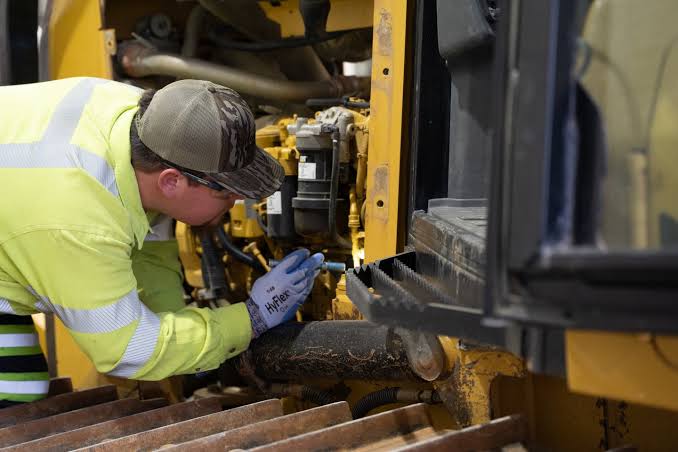
Every construction project depends on people, planning, and equipment working together safely. While training programs and protective gear are essential, one factor often has the greatest influence on jobsite safety: the condition of the machines being used. Heavy equipment operates under demanding conditions every day, and even small mechanical issues can quickly become serious hazards. Maintaining equipment properly helps reduce accidents, protects workers, and keeps projects moving without unnecessary disruptions.
Reliable Equipment Creates A Safer Work Environment
Construction sites involve constant movement, heavy lifting, and challenging terrain. Machines must perform exactly as expected to keep these activities under control. When equipment is regularly inspected and serviced, operators can rely on consistent performance throughout the workday.
Unexpected failures such as brake problems, hydraulic leaks, or steering issues may place workers and nearby personnel at risk. Preventive maintenance greatly reduces the chance of these dangerous situations developing.
Early Inspections Prevent Major Problems
Many equipment failures begin as minor issues that are easy to correct. Loose bolts, worn hoses, damaged tires, or low fluid levels may seem insignificant at first, but can eventually lead to expensive breakdowns or unsafe operating conditions.
Daily inspections help identify these concerns before work begins. Addressing small maintenance tasks immediately prevents larger mechanical failures that could interrupt operations or create hazardous situations.
Operator Confidence Improves Performance
Workers perform better when they trust the equipment they are using. Machines that respond properly allow operators to concentrate on precision, coordination, and productivity instead of worrying about unexpected malfunctions.
Confident operators are more likely to complete tasks smoothly, communicate effectively with ground crews, and maintain better awareness of surrounding jobsite conditions.
Reducing Emergency Repairs
Emergency repairs often occur during active projects when deadlines are already tight. Unexpected breakdowns create additional risks because repairs may need to be performed in difficult environments or under time pressure.
A planned maintenance schedule minimizes emergency situations by ensuring equipment remains in dependable operating condition. This organized approach supports both safety and operational stability.
Supporting Better Daily Safety Practices
Equipment maintenance encourages a broader culture of safety throughout the organization. Operators who perform regular inspections become more familiar with their machines and are quicker to recognize unusual sounds, vibrations, or performance changes.
This attention to detail encourages employees to report concerns promptly instead of continuing to operate equipment that may require service.
Protecting Everyone On The Jobsite
Heavy equipment affects more than the individual operating it. Ground personnel, supervisors, subcontractors, delivery drivers, and visitors all work near active machinery throughout the day.
Proper maintenance helps ensure lifting systems function correctly, warning devices remain operational, lighting provides adequate visibility, and hydraulic systems perform as intended. These improvements help create a safer environment for everyone working nearby.
Extending Equipment Service Life
Well-maintained equipment generally delivers dependable performance over a longer period. Routine servicing reduces excessive wear on important components while helping machines continue operating efficiently under demanding conditions.
Longer equipment life also allows businesses to maximize the value of their investments while avoiding frequent replacements caused by preventable mechanical damage.
Working With Trusted Service Professionals
Routine maintenance becomes even more effective when businesses have access to experienced technicians and genuine replacement parts. Building relationships with qualified service providers ensures inspections and repairs follow manufacturer recommendations.
Many contractors choose to work with a reputable construction equipment dealer that offers ongoing maintenance support, technical expertise, and access to quality replacement components. Professional servicing helps keep equipment operating safely while reducing the likelihood of recurring mechanical issues.
Safety Is A Long-Term Commitment
Jobsite safety is not achieved through a single inspection or occasional repair. It requires continuous attention throughout the entire life of every machine. Maintenance schedules should be followed consistently, inspection records should remain current, and operators should be encouraged to report any concerns immediately.
When maintenance becomes part of everyday operations, safety naturally improves alongside equipment reliability and project performance.
Conclusion
Well-maintained equipment forms the foundation of a safe and productive construction site. Regular inspections, preventive servicing, prompt repairs, and responsible operating practices work together to reduce mechanical failures and protect everyone on the jobsite. Companies that prioritize equipment maintenance create safer working conditions, improve operational reliability, and strengthen the long-term success of every project they undertake.
