
Have you ever opened a suitcase before a family trip and wondered why it looks ready for a polar expedition, a soccer tournament, and a grocery run at the same time? Active family vacations in Tennessee and beyond now come with a strange modern pressure. Parents want flexibility, kids want entertainment, and everyone expects social media-worthy moments without hauling half the house through an airport.
Pack for Movement, Not Just Weather
Families often pack for temperature and forget activity level. That mistake becomes obvious about two miles into a hike when someone is sweating through a thick hoodie they insisted they needed. Lightweight athletic shirts, quick-dry shorts, and moisture-wicking socks should take priority over bulky “just in case” outfits that never leave the suitcase.
This shift mirrors a broader trend in travel. More American families are choosing activity-driven vacations over passive resort trips, partly because parents are trying to pull kids away from screens without sounding like motivational speakers from 2008. Clothing that layers easily matters more than trendy vacation outfits because rafting, biking, and hiking rarely care what looks good in the hotel mirror.
Shoes Become the Entire Vacation
Nothing exposes poor planning faster than bad footwear. One pair of sturdy sneakers per person is essential, but active trips usually need water shoes too. Families heading toward rivers and outdoor excursions quickly realize that soaked tennis shoes can ruin several days of travel morale.
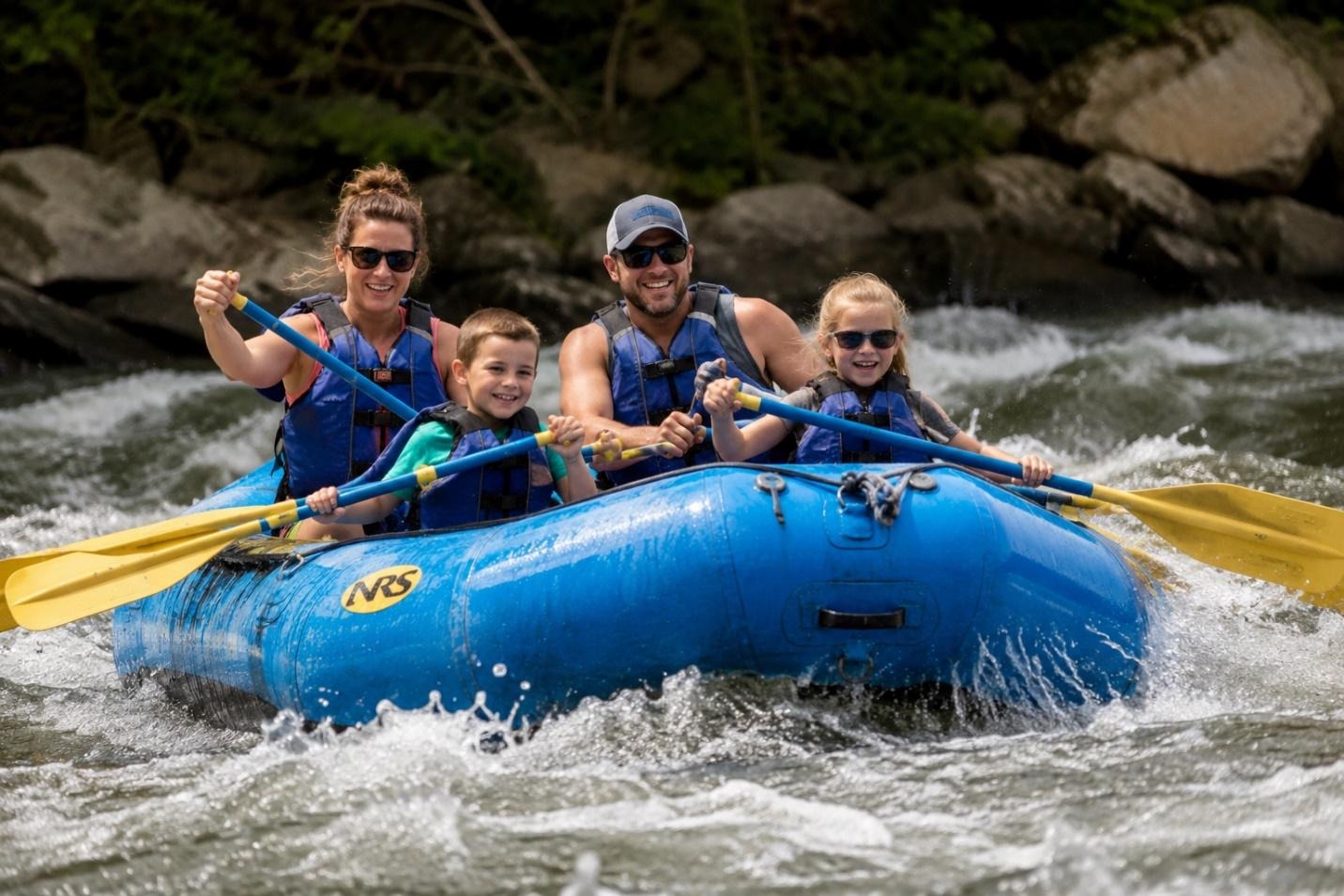
If you’re looking for white water rafting Tennessee has options like Smoky Mountain Outdoors, which offers trips for both beginners and experienced rafters. Secure footwear matters more than most families expect once slippery rocks and fast-moving water enter the picture. Cheap flip flops tend to disappear downstream almost instantly, usually while a teenager insists they “totally had them a second ago.” Closed toe water shoes with good grip help prevent slips, dry quickly, and stay comfortable during long outdoor activity days.
Technology Needs Boundaries and Backup Batteries
Modern family travel involves a strange contradiction. Parents complain about screen addiction while simultaneously using five apps to manage directions, restaurant reservations, weather alerts, and emergency hotel confirmations. Portable chargers have become as important as sunscreen because a dead phone can disrupt everything from trail navigation to digital park tickets.
Still, smart packing also means limiting unnecessary devices. Kids do not need three gaming systems for a four-day trip packed with kayaking and hiking. One tablet loaded with movies for downtime is enough. National parks across the country have reported record family attendance over the past few years, partly because parents are searching for experiences that compete with indoor entertainment. Ironically, the most memorable moments often happen after the Wi Fi signal disappears.
First Aid Deserves More Respect
Families routinely spend hundreds on luggage and forget basic medical supplies until someone gets blisters the size of pancakes. A compact first aid kit should include adhesive bandages, antiseptic wipes, allergy medication, pain relievers, tweezers, and blister pads. Parents who pack these items early avoid expensive emergency purchases at campground stores where sunscreen somehow costs as much as concert tickets.
Outdoor travel has surged since the pandemic reshaped how Americans think about vacations and crowded spaces. More people now choose cabins, rivers, and trails instead of packed tourist corridors. That means families are spending longer stretches in remote areas where convenience stores are not sitting beside every parking lot. Preparation matters more than optimism when a scraped knee appears three miles into a trail.
Snacks Solve More Problems Than Parenting Books
Experienced parents know snacks function less like food and more like emotional infrastructure. Protein bars, trail mix, fruit pouches, and refillable water bottles prevent the dramatic mood swings that emerge when children suddenly claim they are starving exactly twelve minutes after leaving breakfast.
Travel experts have noticed another growing trend. Families increasingly build vacations around full-day outdoor itineraries rather than fixed meal schedules. That flexibility sounds adventurous until hungry kids begin negotiating like union representatives in the back seat. Smart snack packing keeps energy steady during rafting trips, hikes, and roadside detours. It also saves money because tourist areas now charge astonishing prices for basic convenience food. Nobody should need a small loan for a granola bar and bottled water.
Rain Gear Matters Even When Forecasts Look Perfect
Weather apps have improved, but they still fail often enough to humble overconfident travelers. Lightweight rain jackets and compact ponchos deserve space in every active travel bag because storms can develop quickly in mountain regions. Tennessee weather, especially near the Smokies, changes fast enough to make morning sunshine feel like a practical joke by afternoon.
Families who skip rain protection usually end up buying overpriced emergency ponchos from gift shops featuring cartoon bears or exaggerated mountain slogans. Packing simple waterproof layers prevents discomfort without adding much weight. Waterproof phone pouches also help during rafting and kayaking trips, since wet electronics create the specific kind of silence parents know usually means trouble.
Organize Gear Before the Car Ride Starts
Active vacations collapse into chaos when nobody knows where anything is. Packing cubes, labeled zip bags, and separate compartments for wet clothing make travel smoother, especially during multi-stop trips. A dedicated laundry bag prevents muddy socks from contaminating clean outfits, which becomes surprisingly important after several days outdoors.
Organization also reduces stress between adults, and that may be the most underrated travel benefit of all. Surveys about family travel routinely show that parents enjoy vacations less than their children because they spend most of the trip managing logistics. A little structure changes that equation. When sunscreen, bug spray, swimsuits, and chargers all have designated spots, mornings become faster and arguments become less theatrical.
Leave Space for the Unexpected
Overpacking creates its own problems. Families who fill every inch of luggage before departure usually regret it halfway through the trip when damp towels, souvenir shirts, and random snacks begin multiplying like unpaid streaming subscriptions. Leaving extra space allows flexibility for changing weather, spontaneous activities, and purchases made during local stops.
That flexibility reflects a larger cultural shift around travel itself. Many families now value adaptable experiences over rigid itineraries packed down to the minute. People want room for surprise discoveries, whether that means an extra rafting trip, a roadside diner, or an unplanned hiking trail recommended by locals. The smartest packing strategy supports movement and spontaneity instead of turning the family car into a rolling storage unit. Active vacations work best when the luggage supports the adventure rather than becoming part of the challenge itself.
