
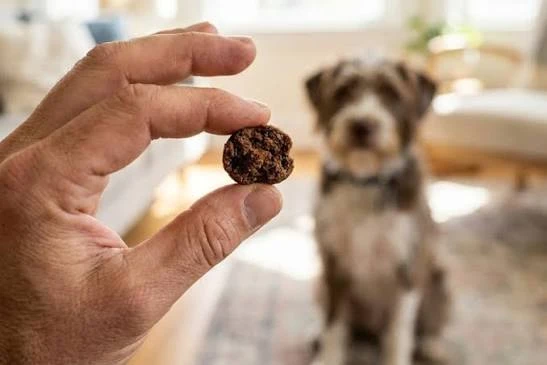
Not all treats work equally well for every purpose, and assuming one type of treat can effectively cover every situation, from casual rewards to intensive training sessions, often leads to frustration for both you and your dog. Understanding what separates the best dog treats from merely average options can make a noticeable difference, especially during training sessions where consistency, motivation, and quick reward timing all matter significantly.
Why Treat Quality Directly Affects Training Success
Dogs respond best to treats that feel genuinely rewarding and exciting, meaning strong smell and appealing taste often outweigh treat size when it comes to sustaining training motivation over an extended session. A treat that is too bland or unremarkable may fail to hold your dog’s attention during more distracting environments, like a busy park full of competing smells, sounds, and other dogs pulling focus away from the training task at hand.
This is particularly important when working on more challenging behaviors or training in genuinely distracting environments, where a low value treat simply cannot compete with everything else vying for your dog’s attention in that moment.
Size and Texture Considerations for Effective Training
For training purposes specifically, smaller, softer treats tend to work considerably better since they can be consumed quickly, keeping the overall training session moving efficiently without long pauses spent waiting for extensive chewing between each individual repetition. Larger, crunchier treats are often better suited for occasional rewards or as an after training treat rather than repeated use throughout an active training session.
The quick consumption factor matters more than many new owners initially realize, since a training session that gets repeatedly interrupted by lengthy chewing breaks loses momentum and can make it considerably harder for your dog to connect the reward directly to the specific behavior you are actively trying to reinforce.
Balancing Nutrition With Overall Reward Value
The best treats manage to strike a careful balance between being genuinely appealing to dogs on a sensory level and maintaining reasonable nutritional standards, avoiding excessive fillers or artificial ingredients even within smaller, training sized portions. This balance ensures that frequent treat giving during active training does not come at the cost of your dog’s overall nutritional wellbeing over time.
Some of the most effective training treats accomplish this by using simple, whole food ingredients concentrated into small, convenient pieces, delivering strong flavor and aroma without relying on artificial additives to achieve that same level of appeal.
Testing What Actually Works for Your Individual Dog
Every dog has different preferences, and what works exceptionally well as a training treat for one dog might fall completely flat with another, regardless of general popularity or marketing claims. It often takes some genuine trial and error to find a treat that consistently and reliably holds your specific dog’s attention across different environments and distraction levels.
Keeping a few different treat options on hand allows you to rotate based on the specific situation, using higher value, more exciting treats for genuinely difficult training challenges or high distraction environments, while reserving more standard treats for easier, more routine practice sessions at home.
Consistency Builds Better Long Term Habits
Using the same trusted treat consistently during training helps dogs form a clear, reliable association between good behavior and the expected reward, making future training sessions considerably more effective and predictable over time. This consistency becomes especially valuable when introducing new commands or working through more challenging behavioral corrections, where a reliable, well tested treat can make the entire process noticeably smoother for both you and your dog.

The distinction between small, soft treats for rapid repetitions and larger treats for occasional rewards is practical. Testing what motivates the individual dog and adjusting treat value to the level of distraction is equally useful.
This answered my questions. Also recommend Van Gogh Free AI Video Generator: for image-to-video workflows.. Van Gogh Free AI Video Generator
I’ve tried many platforms but this one is really smooth. The payouts are fast and the games are super exciting. Definitely a great choice for locals! phpjiliph
The point about chewing time is easy to overlook. A reward that can be eaten quickly helps keep practice flowing, while testing a few options avoids assuming every dog will respond to the same treat.