
Padel is quietly becoming the most important sport in the boardroom. What golf dominated for decades as the preferred arena for closing deals and building professional relationships, padel is now claiming with remarkable speed, particularly across Europe and Latin America. For business professionals who want to connect with the right people while staying active, this compact racket sport offers something the golf course never quite managed: accessibility, intensity, and genuine fun.
What Makes Padel Different
Padel is played on an enclosed glass-walled court roughly a third the size of a tennis court, always in doubles. The ball moves fast, rallies last longer than in tennis, and complete beginners can enjoy a competitive game within their first few sessions. This low barrier to entry is critical for networking purposes. Golf requires years of practice before a round feels comfortable rather than embarrassing. Padel levels the playing field from day one.
The sport originated in Mexico in the late 1960s and spread through Spain and Argentina before igniting across the rest of Europe over the past decade. Today, there are more than 25 million players worldwide, with that number growing sharply year on year. Countries like Sweden, Italy, and the United Kingdom have seen new courts open faster than any other sport in recent memory.
The Business Case for Playing Padel
The structure of padel makes it ideal for professional networking in ways that other sports simply do not match. A standard game lasts between 60 and 90 minutes, which is long enough to build rapport but short enough to fit within a working day. Courts are typically located in urban sports clubs, making them easy to reach between meetings. Unlike a three-hour round of golf, padel asks for less time and delivers more physical engagement.
Playing together also creates a natural context for conversation that a formal lunch or conference rarely replicates. The shared experience of a fast rally, a difficult shot, or a comeback victory builds trust more quickly than any handshake. Professionals who play together tend to remember each other. That social bond is precisely what networking events try and often fail to manufacture.
Companies across Europe have started incorporating padel into team building programs for exactly this reason. The format is naturally collaborative. Two players must coordinate constantly, communicate under pressure, and support each other when things go wrong. Those dynamics translate well into professional environments where trust and communication matter.
Where the Trend Is Heading
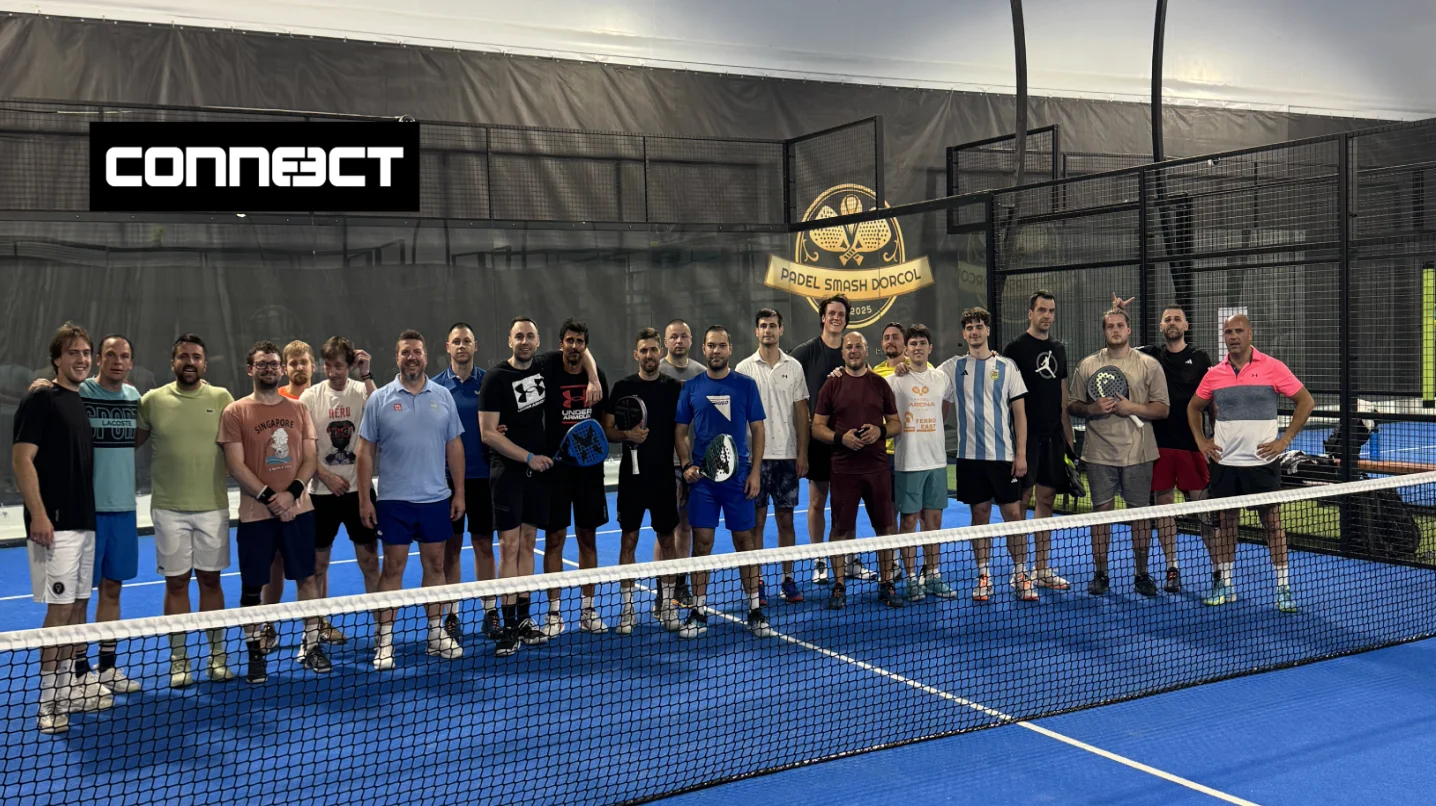
The growth of padel is not limited to established markets. Emerging cities are embracing the sport rapidly as a vehicle for community building among young professionals. In Belgrade, for example, a dedicated padel community called CONN3CT Padel has built a following among entrepreneurs and professionals who use the sport as a regular gathering point for networking events and tournaments. The city’s scene has attracted serious names too, with Padel Smash Dorcol founded by Janko Tipsarevic, former world number 8 tennis player. The model reflects a broader pattern visible across European capitals, where padel courts are becoming the new coffee shops of professional life.
Investors have noticed. The padel industry attracted significant private equity interest in recent years, with court operators, equipment brands, and digital platforms all drawing serious funding. World Padel Tour events now fill arenas in Madrid, Doha, and Stockholm. Major sports brands that long ignored padel are now dedicating entire product lines to it.
How to Get Started
If you have been considering adding padel to your professional routine, the practical steps are simple. Most urban sports clubs now offer beginner sessions and racket rental, meaning there is no equipment investment required to try the sport. Book a court with a colleague or business contact you would like to know better. The game creates more organic conversation in 90 minutes than most formal meetings manage in an entire day.
As the sport continues to grow, the professionals who adopt it early will find themselves embedded in networks that others have not yet accessed. That competitive advantage is not about athleticism. It is about being present where the right conversations are already happening.
Padel is not replacing golf because it is more prestigious. It is replacing golf because it is more efficient, more accessible, and far better suited to how modern professionals actually want to spend their time.

David Weber is an experienced writer specializing in a range of topics, delivering insightful and informative content for diverse audiences.