
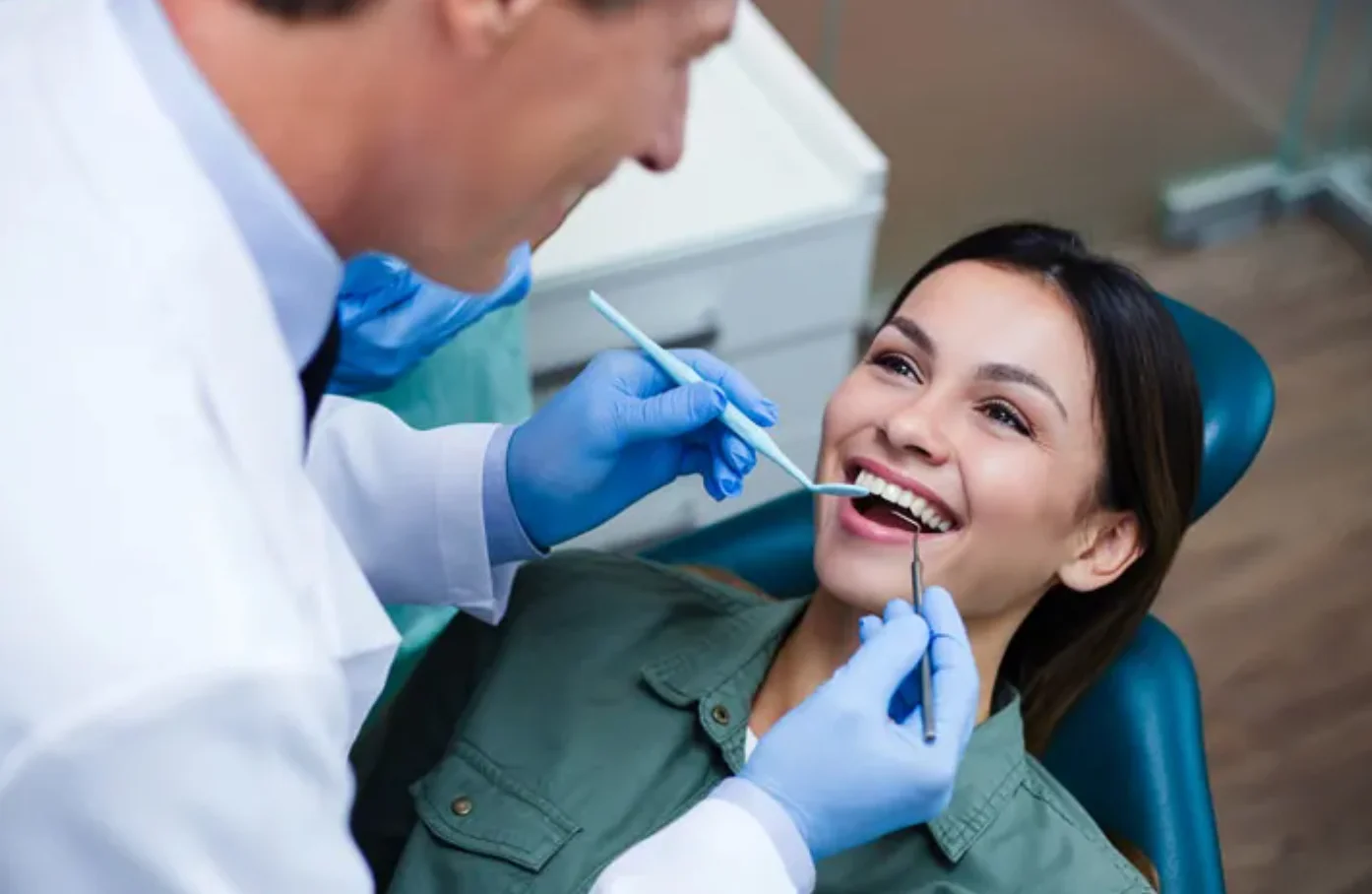
Periodontal disease, or gum disease, remains a widespread concern for adults and is one of the leading causes of tooth loss. The field of periodontal care has experienced significant progress, introducing cutting-edge treatments and diagnostic technologies that improve both outcomes and patient comfort. If you are interested in modern treatment options or searching for a trusted periodontist in Cedar Park, these recent advancements can help guide your next steps toward better oral health.
Today’s innovations go beyond traditional therapies by combining precise diagnosis, comfortable procedures, and ongoing prevention. These new solutions focus on preserving natural teeth, reducing invasive procedures, and supporting quicker recovery. With technologies tailored to individual needs, managing gum disease has become more efficient and patient-centered. Innovative tools such as artificial intelligence (AI), laser-assisted therapy, and at-home devices now complement standard treatments. Meanwhile, the ongoing evolution of dental care products aims to maintain oral health by targeting harmful bacteria while protecting beneficial microorganisms. When choosing a specialized provider or a Cedar Park periodontist, it is helpful to understand which of these advancements are available and appropriate for your unique situation. As researchers continue to explore new frontiers in periodontal therapy, individuals need to stay informed about these developments to achieve the best results and long-term wellness. Below, explore the latest breakthroughs in periodontal care and the science behind these emerging options.
AI in Periodontal Diagnosis
AI technology is quickly transforming how periodontal disease is diagnosed and managed. Breakthroughs from experts at UTHealth Houston have led to the creation of AI systems that analyze dental images and patient records to detect early signs of gum disease. These systems not only improve diagnostic accuracy but can also predict a patient’s future risk of progression and tailor treatment plans to their specific needs. Studies have shown that AI-assisted screening helps dental professionals discover problems earlier, which is crucial for preventing serious complications and tooth loss.
Dual-Light Therapy for Home Use
Recent clinical research emphasizes the benefits of dual-light therapy for home use as a supplement to standard periodontal care. This therapy involves special devices that emit blue and red light wavelengths designed to target gum inflammation and bacterial buildup. A multicenter randomized trial has demonstrated that daily application of dual-light therapy, alongside routine brushing and flossing, significantly decreases gum swelling and plaque accumulation over six months. As a result, patients experience both improved oral health and greater convenience in managing their condition between dental visits.
Minimally Invasive Laser Treatments
Laser therapy is revolutionizing the treatment of gum disease. The introduction of systems like Solea® Perioguide™ allows for efficient, suture-free procedures that minimize discomfort and accelerate healing. Lasers can target infected tissue precisely without removing healthy tissue, reducing bleeding and swelling. Patients benefit from these minimally invasive treatments through shorter recovery periods and fewer follow-up appointments, all while preserving more of their natural gum structure.
Targeted Antibacterial Toothpaste
Caring for the gums at home is easier thanks to the latest oral care innovations. Targeted antibacterial toothpastes have been developed to inhibit the growth of the bacteria responsible for periodontitis while safeguarding helpful microorganisms. By supporting a balanced oral microbiome, these products can help prevent new infections and reduce the chances of recurring gum problems after clinical treatment. Patients looking to maintain their progress after professional periodontal therapy now have access to more effective preventive solutions.
Non-Drug Periodontal Therapies
An increasing number of non-drug therapies are making their way into mainstream periodontal care. One notable example is PerioStōm®, a treatment that uses chitosan microspheres to shield and facilitate healing of the oral mucosa, especially after scaling and root planing procedures. By minimizing reliance on medications, these treatments are particularly useful for patients with allergies or sensitivities and can improve outcomes during the healing phase. The shift towards drug-free therapies reflects growing patient demand for gentler, more natural dental care options.
Wearable Biosensors for Early Detection
Early intervention can make a tremendous difference in the management of periodontal disease. One remarkable innovation is the development of wearable biosensors that adhere to gum tissue. These tiny sensors detect inflammation biomarkers long before visible symptoms arise, enabling clinicians to act quickly and prevent damage. Wearable technology represents a significant leap forward in personalized monitoring and could help many patients control the disease before it progresses to advanced stages.
Quantitative Ultrasound Imaging
The assessment of gum tissue health has become more precise with the use of quantitative ultrasound imaging. Unlike traditional X-rays, ultrasound provides a noninvasive way to visualize soft-tissue changes and monitor inflammation in real time. Recent studies suggest that this approach enables dental professionals to understand disease activity better, track post-therapy progress, and tailor future treatments to each patient’s needs. The integration of ultrasound imaging into routine dental care holds promise for more accurate and patient-friendly diagnostics.
Conclusion
Periodontal care is undergoing a transformation, fueled by rising patient expectations and scientific breakthroughs in diagnosis, home care, and clinical procedures. Technologies such as AI, laser treatments, advanced oral care products, and noninvasive monitoring are making gum disease more manageable, effective, and patient-focused. By staying informed about these advancements, individuals can partner with their dental team to achieve healthier, longer-lasting smiles. These innovations are also helping dentists identify problems earlier, personalize treatment plans, and improve patient comfort during procedures. As research continues to evolve, future periodontal solutions will likely focus on prevention, precision care, and minimally invasive approaches. Maintaining regular dental visits, practicing good oral hygiene, and embracing new treatment options can help protect gum health and reduce the risk of serious complications. With continued progress, periodontal care is becoming more accessible, efficient, and focused on improving overall wellness.

David Weber is an experienced writer specializing in a range of topics, delivering insightful and informative content for diverse audiences.