
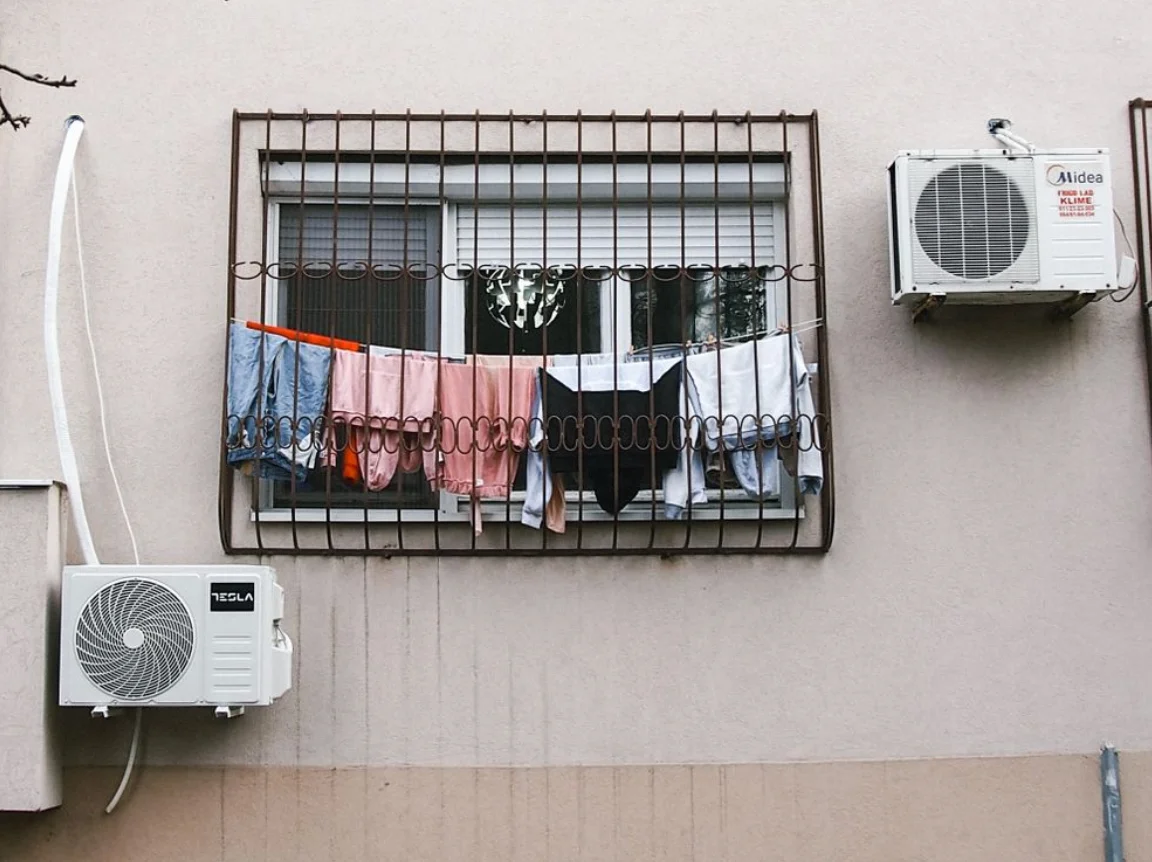
A reliable heating and cooling system is essential for maintaining comfort throughout the year. Whether you’re dealing with the freezing temperatures of winter or the heat and humidity of summer, your HVAC system works hard to keep your indoor environment comfortable and safe.
For homeowners in Columbus, Ohio, seasonal weather changes can place significant demands on heating and cooling equipment. Cold winters require dependable heating, while warm summers make air conditioning a necessity.
While the seasonal demands in Ohio are well-documented, homeowners in other regions face similar challenges with varying humidity and temperature swings. Maintaining a high-performance system requires a focus on both immediate repairs and long-term upkeep to ensure the equipment can handle these transitions. For those living in North Texas, specialized local support can help address these specific environmental factors. You can Visit our Waxahachie location to speak with professionals who understand how local weather impacts system longevity. Taking these steps helps maintain a consistent indoor climate while potentially lowering the long-term costs associated with major mechanical failures.
Because HVAC systems often operate quietly in the background, many homeowners don’t notice small performance issues until they become larger and more expensive problems.
Unfortunately, waiting too long to address HVAC concerns can lead to higher energy bills, reduced comfort, and unexpected system failures. The good news is that most heating and cooling systems provide warning signs before a major breakdown occurs.
Recognizing these signs early allows homeowners to take action before minor issues become serious repairs. Understanding what to watch for can help extend equipment lifespan, improve efficiency, and maintain year-round comfort.
Maintaining these systems is especially important for those living in coastal or humid environments where mechanical stress can be higher. When a system is struggling, it often works harder to maintain the same temperature, leading to internal wear that is not always visible to the eye. Homeowners who want to see the specific details of localized service options and reviews for their area can view it now to better understand what specialized care might be required for their specific equipment. Keeping up with these localized needs ensures that the system remains reliable even during the peak of the summer or winter months.
Unusual Performance Changes Should Never Be Ignored
One of the earliest signs of HVAC trouble is a noticeable change in system performance. Many homeowners assume that slight temperature inconsistencies or occasional discomfort are normal, especially as equipment ages. However, these issues often indicate underlying problems that should not be ignored.
If your home no longer feels as comfortable as it once did, there may be a problem affecting your system’s efficiency. Reduced airflow, inconsistent temperatures, and increased operating times are all signs that professional attention may be needed.
When comfort issues persist or utility costs begin to rise without explanation, consulting experienced Columbus HVAC contractors can help identify hidden problems, evaluate system performance, and recommend solutions that improve efficiency, reliability, and overall home comfort.
Professional inspections often reveal issues that are difficult for homeowners to detect on their own. Components may be wearing out, airflow may be restricted, or the system may simply require maintenance to restore proper operation.
Addressing these concerns early helps prevent unnecessary strain on equipment and reduces the likelihood of more expensive repairs in the future.
Uneven Temperatures Throughout the Home
One of the most common complaints homeowners have is uneven temperatures from room to room. Certain areas may feel too warm, while others remain noticeably cooler.
Several issues can contribute to this problem. Ductwork leaks, blocked vents, thermostat malfunctions, and aging HVAC equipment can all affect how air is distributed throughout the home.
When temperature differences become more noticeable, it’s often a sign that the system is no longer operating as efficiently as it should.
Ignoring uneven temperatures not only affects comfort but can also force the system to work harder than necessary, increasing energy consumption and wear on critical components.
Increasing Energy Bills
A sudden increase in energy costs is another warning sign that deserves attention.
As HVAC systems age or develop mechanical issues, they often require more energy to achieve the same level of performance. Dirty components, airflow restrictions, refrigerant problems, and failing parts can all contribute to reduced efficiency.
If utility bills continue to rise despite normal usage habits, the heating and cooling system may be working harder than necessary to maintain desired temperatures.
Prompt evaluation can help identify the source of the problem and prevent ongoing energy waste.
Strange Noises Coming From the System
Most HVAC systems produce a certain amount of sound during normal operation. However, unusual noises often indicate mechanical issues that require professional attention.
Homeowners should pay close attention to any new or unfamiliar sounds coming from their heating or cooling equipment.
Banging or clanking noises may indicate loose or damaged components inside the system. Grinding sounds can point to motor issues or worn bearings. Squealing noises are often associated with belts, while rattling sounds may suggest loose hardware or debris.
Each type of noise provides valuable clues about what may be happening inside the equipment.
Although some problems may seem minor initially, unusual sounds rarely disappear on their own. In many cases, they become more severe over time.
Addressing mechanical issues early can prevent additional damage from occurring.
A small component failure may place added stress on other parts of the system, leading to more extensive repairs if left unresolved. Early intervention often reduces repair costs and helps preserve overall system reliability.
Weak Airflow and Poor Indoor Comfort
Airflow plays a critical role in HVAC performance. Even if the system is running, poor airflow can make it difficult to maintain comfortable indoor temperatures.
Many homeowners first notice airflow issues when rooms take longer to heat or cool than they previously did.
Weak air coming from vents is one of the most obvious indicators. Some rooms may feel uncomfortable regardless of thermostat settings, while others may receive significantly more airflow.
Restricted airflow often causes the entire system to work harder than necessary.
Several issues can contribute to airflow problems. Dirty air filters are among the most common causes. Blocked ducts, damaged ductwork, blower motor problems, and aging equipment can also reduce airflow.
Regular maintenance helps identify these issues before they significantly affect comfort and efficiency.
Frequent Cycling or Constant Operation
HVAC systems are designed to cycle on and off throughout the day as needed. When this pattern changes, it may indicate an underlying problem.
Two common concerns include short cycling and continuous operation.
Short cycling occurs when the system turns on and off repeatedly within short periods. This may result from thermostat issues, refrigerant problems, airflow restrictions, or improperly sized equipment.
Frequent cycling places additional stress on HVAC components and often reduces efficiency.
When a system starts and stops too quickly, it often fails to complete a full cooling cycle, which is necessary to remove humidity and maintain a steady indoor temperature. This behavior can be caused by various issues, ranging from a miscalibrated thermostat to restricted airflow or failing electrical parts. If you notice these patterns during the peak of summer, searching for ac repair near me can help you find a local technician to evaluate the equipment. Addressing cycling problems early can prevent unnecessary wear on the compressor and help your system run more efficiently throughout the season.
Systems that run too often or fail to shut off properly consume more energy and experience increased wear.
Over time, this additional strain can shorten equipment lifespan and increase the likelihood of unexpected breakdowns.
Prompt diagnosis helps identify the cause and restore proper operation.
Your heating and cooling system often provides warning signs before a major problem develops. Uneven temperatures, rising energy bills, strange noises, weak airflow, frequent cycling, and declining indoor air quality should never be ignored.
While some issues may seem minor at first, they often indicate larger problems developing within the system. Addressing these concerns early can help prevent costly repairs, improve efficiency, and extend equipment lifespan.
Regular inspections and professional maintenance play an important role in keeping HVAC systems operating at their best. By paying attention to changes in performance and seeking expert assistance when needed, homeowners can enjoy greater comfort, lower energy costs, and more reliable heating and cooling throughout the year.
A well-maintained HVAC system is an investment in both your home’s comfort and its long-term value.
Maintaining your system’s efficiency is just as important when living in different climates with varying seasonal demands. Proper care ensures that the equipment can handle the workload during peak summer and winter months without unexpected failure. Whether you are looking for preventative maintenance or emergency repairs, finding experienced professionals for hvac in Danbury can help you keep your home comfortable while protecting your property value. Consistent upkeep often results in lower utility expenses and helps extend the operational life of your heating and cooling units, providing peace of mind regardless of the outdoor weather conditions.
Maintaining a high-performing indoor environment requires attention to detail that extends beyond simple filter changes. Routine professional care can help ensure that every part of your residential or commercial hvac system is functioning at its peak efficiency. By identifying worn components or minor leaks early, property owners can avoid the stress of sudden equipment failure during extreme weather. Consistent upkeep not only supports a more stable climate indoors but also contributes to better air quality and lower monthly utility expenses over time. Taking these proactive steps helps protect your property investment while ensuring a more comfortable living space for everyone inside.

David Weber is an experienced writer specializing in a range of topics, delivering insightful and informative content for diverse audiences.