
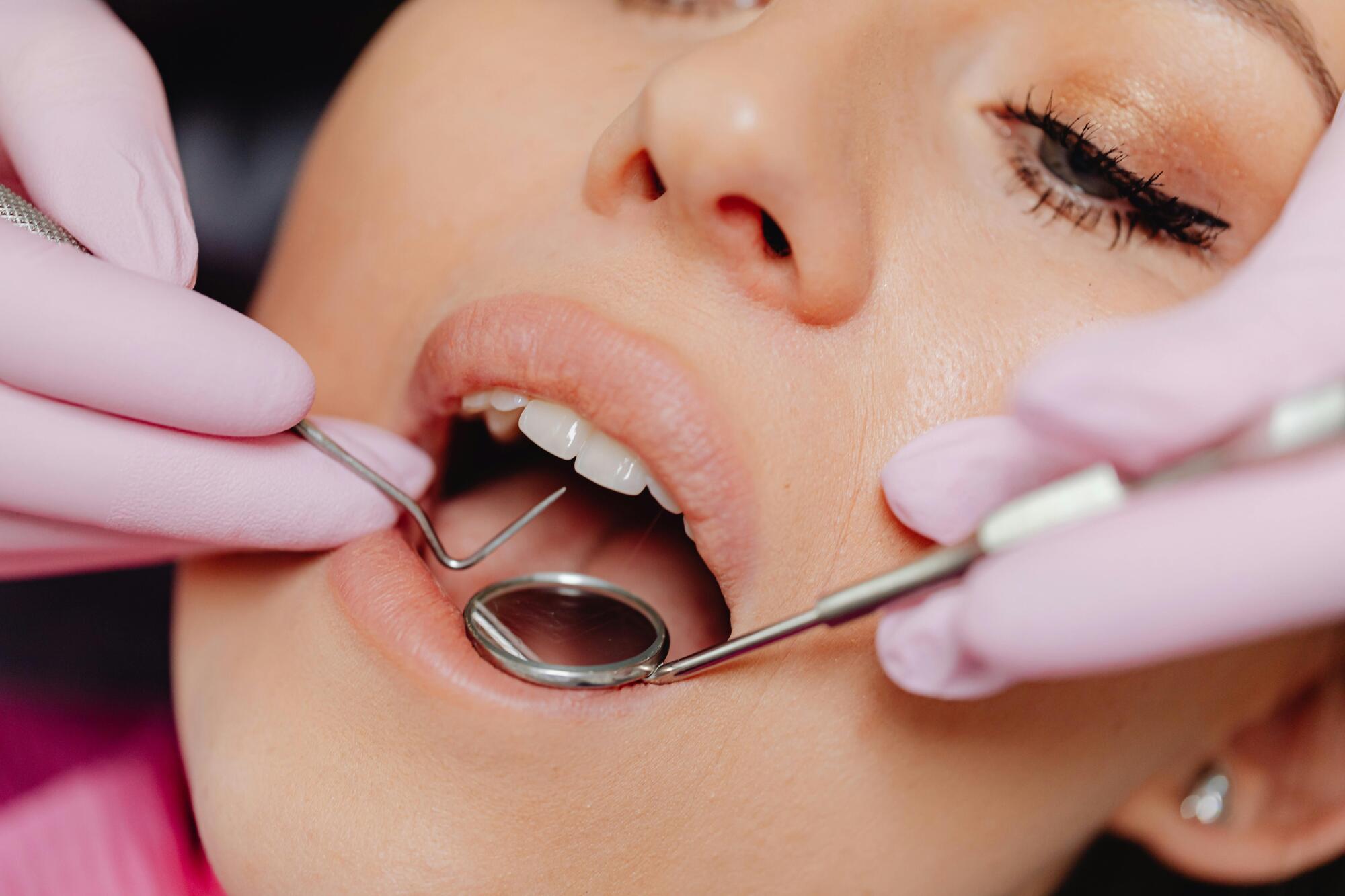
Tooth replacement is a common dental need. Many people lose teeth due to decay, injury, or age over time. Modern treatments today offer ways to restore a natural and healthy smile.
Understanding these options helps patients make better decisions for long-term oral health. People choose tooth replacement to improve chewing and speaking. It also helps maintain facial shape and confidence.
Missing teeth can affect daily life in small but important ways. It may change how a person eats, talks, and smiles in public. Tooth loss can also affect the position of nearby teeth.
Over time, gaps may lead to shifting or bite changes. This is why early treatment is often recommended by dental professionals.
Continue reading to discover everything you need to know. Early evaluation can help prevent complications and guide the best treatment plan.
Main Tooth Replacement Options
There are three main options for tooth replacement today. Dental implants, bridges, and dentures are the most common choices available. Each one works in a different way to restore missing teeth.
Some are fixed in place, while others can be removed for cleaning. Each option also supports different levels of comfort and stability for daily use. Dental implants are placed into the jawbone for strong support.
Bridges rely on nearby teeth to hold the replacement tooth. Dentures rest on the gums and can replace multiple missing teeth at once. Each option serves different needs and budgets.
The price depends on how complex the treatment is overall. The dentist’s skill and clinic location can also affect pricing. Materials used play a big role in the total treatment cost.
Follow-up care and maintenance should also be included in budget planning. Patients should also consider future replacement or repair costs when choosing an option.
Some patients may need more than one tooth replaced, and others may need a full arch restoration. The number of missing teeth will affect the final plan. A full dental checkup helps determine the best solution for each case.
Key Cost Factors and Considerations
Dental implant cost varies by clinic and materials. Some patients may need bone preparation before treatment. Extra procedures can increase the total price.
The overall plan depends on individual dental health. The condition of the gums also affects treatment planning. Healthy gums support better healing and long-term success.
If there is an infection, it may need treatment first. This can add time and cost to the process. Durability affects the overall value of treatment over time.
Stronger materials usually last longer but may cost more upfront. Good placement improves function, comfort, and lifespan. Regular dental care helps maintain results for many years.
Location also plays a role in pricing differences. Urban clinics may charge more than rural areas.
The experience of the dental professional also matters. More experienced providers may have higher fees but better long-term outcomes.
Patients should also think about comfort during treatment. Some procedures take longer healing times than others. Understanding the timeline helps set proper expectations.
Materials and Maintenance Differences
Materials include ceramic, metal, and acrylic options used in treatment. Each material has different strengths, functions, and appearances. Ceramics often look more natural in the mouth for front teeth.
Metal components are used for added support and long-term durability. Acrylic is often chosen for lighter and more affordable solutions in some cases. The choice of material depends on both function and budget.
Some materials are better for visible teeth, while others are better for strength. Materials also affect how the tooth feels when chewing. Stronger materials can handle harder foods more easily.
Lighter materials may feel more comfortable for some patients. A dentist can help match material choice with lifestyle needs. Maintenance needs vary by treatment type and patient habits.
Some options require frequent dental visits and adjustments. Dentures may need relining or adjustments over time. Fit can change as the mouth naturally shifts.
Implants usually need simple daily cleaning and regular checkups. Good oral hygiene helps extend the lifespan of any option. Regular checkups also help prevent small issues from becoming bigger problems later.
Patients should also clean around replacement teeth carefully. Food buildup can lead to gum problems if not managed well. Simple brushing and flossing routines make a big difference.
Long-Term Value and Smart Choices
Long-term value is important when choosing a tooth replacement treatment. A cheaper option may require more repairs or replacements later. Higher upfront costs can reduce future expenses over time.
Comfort and daily function should also be part of the decision. A treatment that feels natural can improve quality of life. Being able to eat and speak without worry is important; this is why value is not only about price.
Patients should compare both short-term and long-term needs carefully. Some options last many years with proper care, while others may need replacement sooner, depending on wear and care habits. Thinking ahead helps avoid unexpected costs.
Appearance is also an important factor for many people. A natural-looking smile can improve confidence in social settings. Each option offers different aesthetic results.
Making the Right Choice for Tooth Replacement Care
Choosing the right tooth replacement depends on personal needs and goals. Budget and health conditions also matter when deciding. A dental professional can guide the best option for each case.
Careful planning helps achieve a healthy and lasting smile over time. It is also important to ask questions during a consultation.
Patients should understand the process, recovery time, and maintenance needs. Clear information helps reduce stress and confusion.
The Importance of Follow-Up Care in Tooth Replacement Success
Follow-up care is another key part of success. Regular visits help ensure everything stays in good condition. Small issues can be fixed early before they become serious.
Consistent monitoring also helps extend the lifespan of the restoration and supports better oral health over time. It is also helpful to ask about warranties or follow-up care options before making a final decision.
A well-informed choice leads to better comfort, function, and long-term dental health. Patients should also follow their dentist’s care instructions carefully after each appointment.
Expand knowledge and check out more posts on our blog!
