
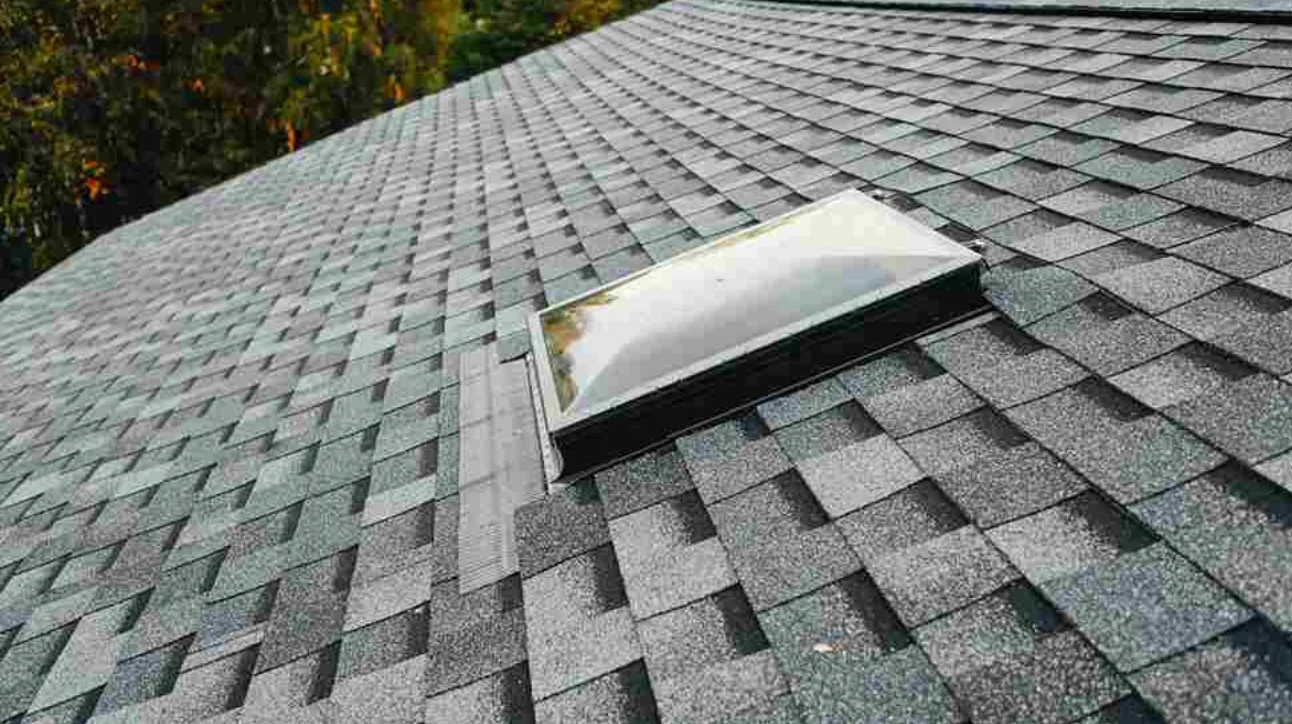
A shingle roof protects a home from weather exposure and supports long-term property value. Although these roofing systems are built for durability, their lifespan depends on factors such as environmental conditions, material quality, and ongoing maintenance. Understanding these influences helps homeowners protect their investment and extend roof performance over time.
Homeowners who understand these factors can make better decisions about long-term roof care. Working with experienced providers of shingle roofing services also helps identify concerns before they develop into larger problems. Below are the factors that have the greatest impact on the lifespan of shingle roofs and how proper care supports lasting performance.
Daily Exposure to Sunlight Gradually Changes Roof Condition
Sunlight affects shingle roofs every day. The surface of shingles contains protective granules that help reduce the impact of ultraviolet rays and weather exposure. As years pass, these granules can wear away, leaving the shingles more susceptible to aging and deterioration.
Temperature fluctuations also influence roof longevity. Shingles expand when temperatures rise and contract when temperatures fall. This repeated movement places stress on roofing materials and can contribute to curling, cracking, or other signs of wear. Continuous exposure to these conditions gradually affects the overall lifespan of the roof.
Moisture Management Plays a Key Role in Roof Preservation
A shingle roof performs best when water flows off the surface efficiently. Proper drainage helps prevent moisture from remaining on the roof for long periods. Water that collects near roof valleys, flashing, or other vulnerable areas can gradually affect surrounding components.
Excess moisture may also reach the underlayment or roof deck over time. This can reduce the overall effectiveness of the roofing system. Maintaining efficient water flow helps support roof longevity and structural stability.
Airflow Beneath the Structure Supports Long-Term Stability
The condition of the attic plays an important role in the lifespan of a shingle roof. Proper ventilation allows excess heat and moisture to escape, helping maintain balanced conditions beneath the roofing system. Without adequate airflow, heat can become trapped and place additional stress on roofing materials.
Moisture buildup can also affect supporting components over time. These conditions may contribute to premature wear and reduced performance. Balanced ventilation helps support the long-term durability and reliability of the roof.
Material Selection Influences How Long a Roof Can Last
The type and quality of shingles installed on a home can significantly influence roof longevity. Homeowners can choose from options such as three-tab shingles, architectural shingles, and designer shingles. Each option offers different levels of thickness, durability, and resistance to weather-related wear.
The materials beneath the shingles are equally important. Underlayment, flashing, and other protective components work together to help defend the home from moisture intrusion. A roofing system built with quality materials throughout its structure is better equipped to maintain strong performance and a longer service life.
Professional Evaluations Help Protect Roofing Investments
Even a durable roofing system benefits from routine professional attention. Small concerns such as missing shingles, lifted shingle tabs, flashing damage, or noticeable granule loss may seem minor at first, but they can affect the roof’s ability to protect the home effectively.
Regular inspections help identify these issues before they impact larger sections of the structure. Experienced providers of shingle roofing services can evaluate the condition of the roof and recommend appropriate solutions when needed. Prompt attention after severe weather events also helps preserve the integrity of the roofing system and supports a longer lifespan.
The lifespan of a shingle roof depends on a combination of environmental exposure, moisture control, ventilation, material quality, and ongoing professional care. Each factor contributes to how well the roofing system performs throughout its service life. Paying attention to these influences helps homeowners protect their investment and maintain dependable protection for years to come. A well-maintained roof remains a valuable asset that continues to support the home over time.

David Weber is an experienced writer specializing in a range of topics, delivering insightful and informative content for diverse audiences.